
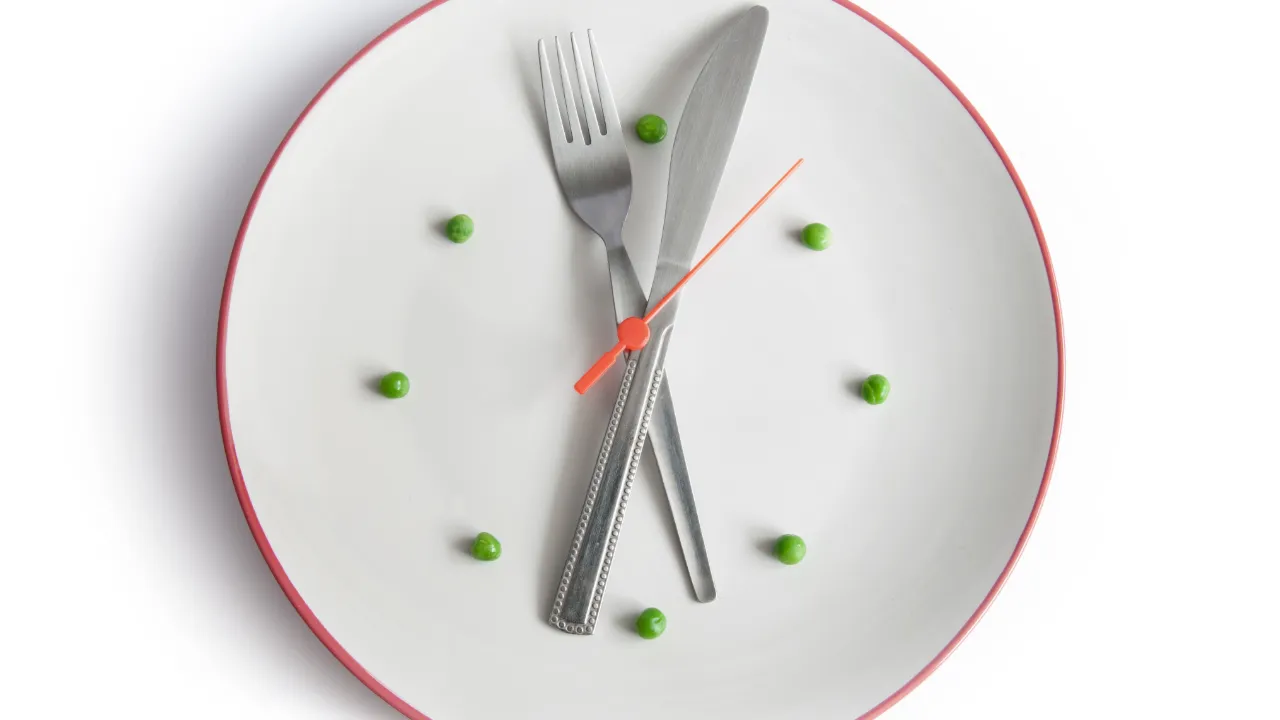
Can Skipping Meals Cause Bloating?
Yes, skipping meals can cause bloating. When meals are skipped, digestion becomes irregular, gut motility slows, gas clearance is reduced, and stress hormones increase.
This often leads to bloating once food is finally eaten — even if the meal itself is normal.
Regular eating supports digestion more than restriction.
At a Glance: Skipping Meals and Bloating
Skipping meals can cause bloating by:
- Disrupting digestion rhythm
- Slowing gut motility
- Increasing gas retention
- Increasing stress hormones
- Leading to larger, heavier meals later
- Reducing digestive efficiency
The gut thrives on predictable timing.
Why Skipping Meals Disrupts Digestion
When meals are skipped:
- The gut loses its natural rhythm
- Digestive enzyme release becomes inconsistent
- Stress hormones rise
- Hunger signals intensify
- Later meals overwhelm digestion
Digestion works best with steady input.
9 Ways Skipping Meals Leads to Bloating
1. Slower Gut Motility
Lack of regular stimulation slows digestion.
2. Increased Gas Retention
Gas is not cleared efficiently between meals.
3. Larger Meals Later
Heavier meals increase digestive load.
4. Increased Stress Hormones
Stress interferes with digestion.
5. Reduced Enzyme Readiness
The gut is less prepared for food.
6. Irregular Bowel Movements
Constipation becomes more likely.
7. Increased Gut Sensitivity
Normal digestion feels more uncomfortable.
8. Blood Sugar Swings
Energy dips affect digestion and appetite control.
9. Over‑Focus on Food
Mental stress worsens digestive symptoms.
Signs Your Bloating Is Skipping‑Meal Related
Skipping‑meal bloating often looks like:
- Bloating after the first meal of the day
- Heaviness after breaking a long fast
- Bloating without food changes
- Less bloating on days with regular meals
- Increased bloating with stress or busy schedules
Patterns usually follow eating consistency.
Why Skipping Meals Is Often Blamed on Food
It’s commonly misattributed because:
- Symptoms appear after eating
- Certain foods get blamed unfairly
- Restriction feels logical
- Meal timing is overlooked
But timing strongly affects digestion.
What Not to Do When Skipping Meals Causes Bloating
Avoid these common reactions:
- Cutting foods further
- Eating very large “make‑up” meals
- Ignoring hunger signals
- Over‑exercising
- Assuming digestion is weak
Restriction worsens rhythm‑related bloating.
How to Reduce Bloating by Eating Regularly
To support digestion:
- Eat consistent meals daily
- Avoid long gaps without food
- Keep meals balanced
- Eat slowly
- Stay hydrated
- Manage stress during meals
Regularity restores digestive rhythm.
Support That Can Help With Skipping‑Meal Bloating
Some people benefit from extra support.
Helpful support may include:
- Digestive support for meal comfort
- Gut support to reduce sensitivity
- Evening support to manage stress and recovery
Support works best with consistent eating.
Common Questions About Skipping Meals
1. Can fasting cause bloating?
Yes — especially if digestion is sensitive.
2. Why do I bloat when I finally eat?
Digestion isn’t primed after long gaps.
3. Is eating more often better?
Regular, balanced meals usually improve bloating.
Final Thoughts
Skipping meals disrupts digestive rhythm, increases stress, and makes the gut less prepared to handle food — leading to bloating when eating resumes.
Supporting regular, consistent meals is one of the simplest and most effective ways to reduce bloating.
Consistency calms digestion.
Leave a Reply