
Protein helps control hunger during weight loss by increasing fullness, stabilising blood sugar, and slowing digestion. When protein intake is too low, hunger tends to appear sooner and feel harder to manage. Including enough protein makes appetite more predictable and supports long-term consistency. How protein influences hunger 1. Protein increases […]
Appetite & Cravings
Struggling with constant hunger or emotional eating? This category is designed to help you regain control. Learn how to reduce sugar cravings, control late-night snacking, and naturally suppress appetite with food, habits, or supplements. These articles are crafted to guide you step-by-step toward building a healthier relationship with food.

Emotional safety supports weight loss consistency by reducing fear, pressure, and self-judgment. When eating and progress feel emotionally safe, the body is less likely to respond with stress-driven hunger or resistance. Consistency improves when the process feels supportive rather than threatening. How lack of emotional safety disrupts progress 1. Fear […]

Mindset shifts unlock long-term weight loss by changing how challenges, setbacks, and progress are interpreted. When weight loss is approached as a learning process rather than a test of discipline, consistency improves and pressure decreases. The right mindset turns effort into sustainability. How rigid mindsets block progress 1. Setbacks feel […]

Long-term weight loss success comes from self-trust, not control. Control relies on constant monitoring, restriction, and pressure, while self-trust allows habits to operate calmly and consistently. When the body and mind are trusted, progress becomes sustainable instead of fragile. How control undermines long-term success 1. Control increases stress Rigid rules […]

Consistency beats intensity for mental sustainability because intense approaches demand constant effort, focus, and pressure. While intensity may feel productive short term, it often leads to mental fatigue and burnout. Consistent, manageable actions protect mental energy and make long-term weight loss far easier to maintain. How intensity creates mental strain […]

Self-awareness is key to sustainable weight loss because it helps you understand why you eat, not just what you eat. When patterns around hunger, emotions, habits, and triggers are recognised early, adjustments become easier and progress feels less reactive and more intentional. How lack of awareness slows progress 1. Eating […]
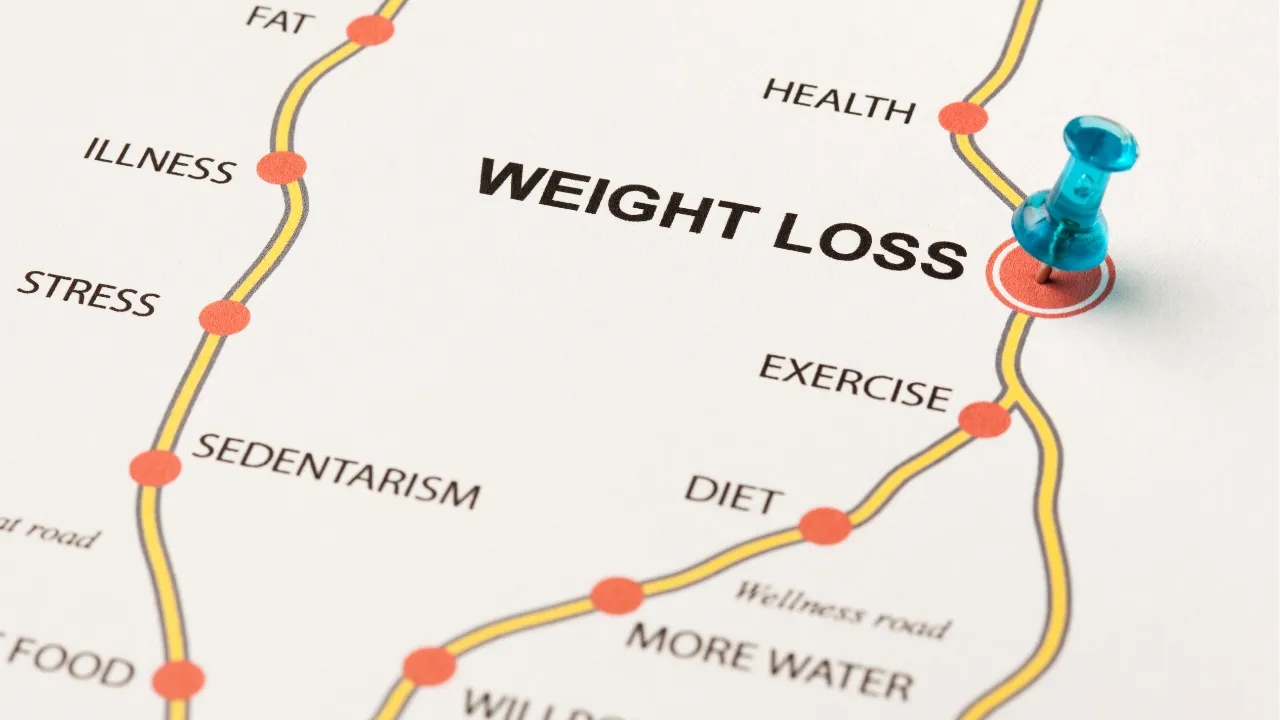
Taking breaks can improve weight loss results by allowing the body and mind to recover. Constant effort without rest increases stress, fatigue, and hunger, which can stall progress. Strategic breaks restore energy, improve consistency, and often lead to better long-term outcomes. How continuous dieting backfires 1. Stress hormones stay elevated […]

Identity shifts support lasting weight loss by changing how choices are made at a deeper level. When behaviours align with who you believe you are, consistency becomes easier and less effortful. Instead of forcing actions, identity-based change allows habits to feel natural over time. How identity influences behaviour 1. Actions […]

Burnout can derail weight loss efforts by draining mental, emotional, and physical energy. When the process feels relentless, restrictive, or overwhelming, consistency breaks down — not because of lack of discipline, but because the system is unsustainable. Preventing burnout is essential for long-term success. How burnout develops during weight loss […]

Weight loss requires emotional regulation skills because food is often used to manage feelings, not just hunger. Stress, frustration, boredom, and overwhelm can all drive eating behaviours that have little to do with physical need. Learning to regulate emotions makes consistency easier and progress more sustainable. How emotions influence eating […]