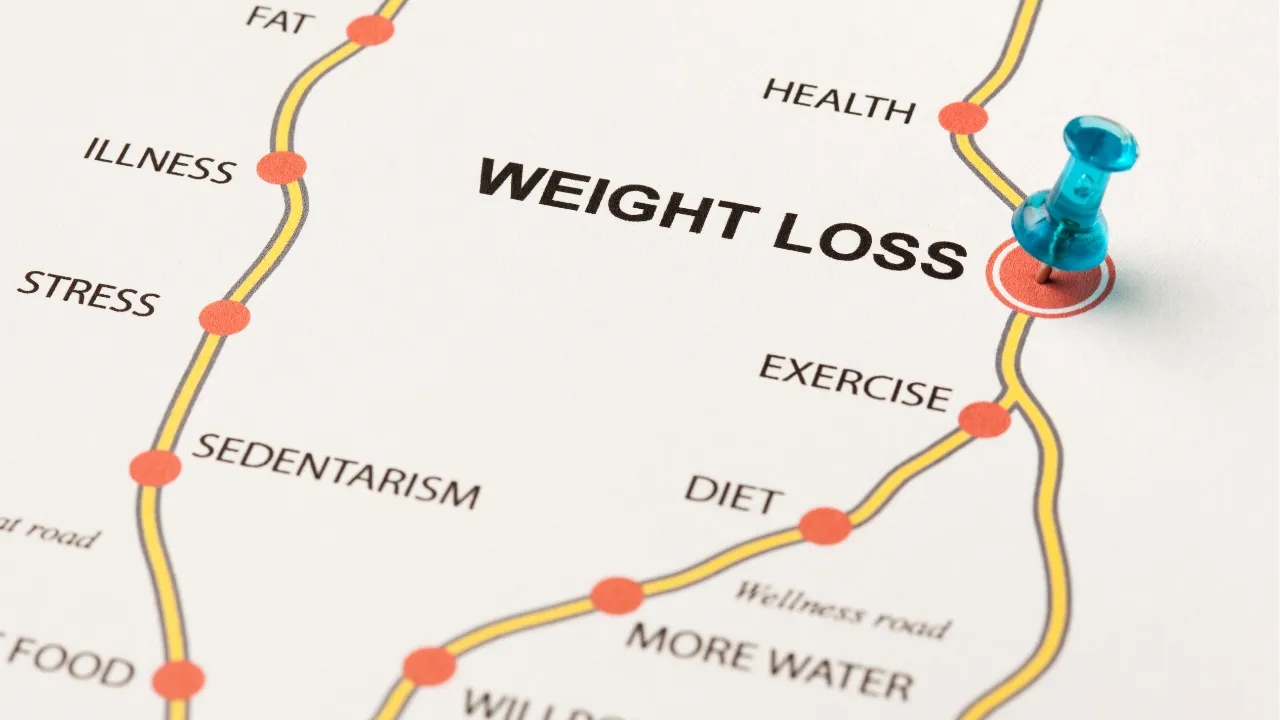
Taking breaks can improve weight loss results by allowing the body and mind to recover.
Constant effort without rest increases stress, fatigue, and hunger, which can stall progress.
Strategic breaks restore energy, improve consistency, and often lead to better long-term outcomes.
How continuous dieting backfires
1. Stress hormones stay elevated
Prolonged effort without breaks keeps cortisol high, affecting appetite and fat loss.
2. Mental fatigue accumulates
Constant focus on weight loss drains motivation and increases burnout risk.
3. Hunger signals intensify
Extended restriction often makes appetite louder and harder to manage.
4. Consistency breaks down
Exhaustion increases the likelihood of overeating or quitting altogether.
5. Recovery becomes insufficient
Without breaks, the body struggles to adapt and progress efficiently.
How breaks support better progress
1. Hormonal balance improves
Short maintenance phases can help appetite hormones stabilise.
2. Mental energy is restored
Stepping back reduces decision fatigue and emotional strain.
3. Habits become more sustainable
Breaks help reinforce routines that can be maintained long term.
4. Motivation returns naturally
Rest often renews motivation without forcing it.
These benefits support healthier, longer-lasting results.
A supportive option during recovery phases
During breaks, appetite can feel unpredictable. Gentle daily support can help maintain balance while recovery takes place.
DailyYou Shrink AM is designed to be taken in the morning, when appetite patterns for the day are being set. Many people use it to support appetite control during maintenance or recovery phases.
- Taken in the morning as part of a daily routine
- Supports steadier appetite during breaks
- Helpful when hunger increases temporarily
- Easy to stay consistent alongside recovery habits
You can check the product below.
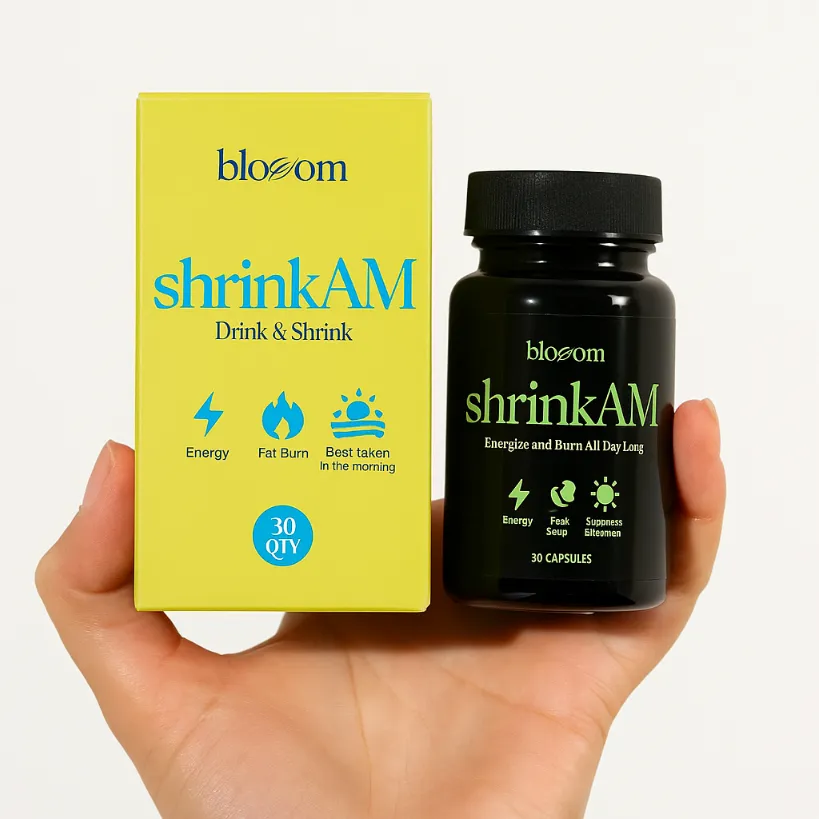
Shrink AM – Morning Appetite Control & Fat Burner
Start your day strong with Shrink AM — a natural morning supplement that curbs cravings, boosts energy, and helps burn fat.
Frequently asked questions
1. Does taking a break mean weight gain?
Not necessarily. Maintenance-focused breaks often protect progress.
2. How long should a break last?
Breaks can range from a few days to a few weeks, depending on need.
3. Can breaks improve fat loss later?
Yes. Recovery often leads to better consistency afterward.
4. Should breaks be planned?
Planned breaks reduce guilt and improve outcomes.
5. How do I return after a break?
Resume routines gradually, focusing on consistency rather than speed.
Rest as part of the process
Weight loss isn’t a straight line — it includes pauses. When breaks are used intentionally, they don’t slow progress; they strengthen it.
Leave a Reply