

Night eating isn’t automatically bad for weight loss, but it can interfere with progress when it’s driven by stress, habit, or imbalance rather than true hunger.
The impact of eating at night depends more on why it’s happening and what patterns exist throughout the day than on the clock itself.
When night eating may affect weight loss
1. Hunger builds up earlier in the day
If meals are skipped or too light during the day, genuine hunger often appears at night. This can lead to overeating that feels hard to control.
2. Stress-driven eating adds extra calories
Eating at night to cope with stress or emotions can add calories without addressing physical hunger.
3. Blood sugar becomes less stable
Late-night eating, especially sugary foods, can disrupt blood sugar and increase cravings the following day.
4. Sleep quality may be affected
Eating heavy or sugary foods close to bedtime can disrupt sleep, which indirectly affects appetite and weight regulation.
5. Habits override hunger cues
Regular night eating out of habit can make it difficult to recognise true hunger and fullness signals.
When night eating doesn’t harm progress
1. Eating in response to real hunger
If hunger is genuine, eating a balanced snack can support metabolism and prevent overeating later.
2. Balanced meals earlier in the day
When daytime eating is consistent and nourishing, occasional night eating has less impact.
3. Flexible, sustainable routines
Rigid rules around eating times can increase stress and backfire on long-term consistency.
4. Focus on overall patterns
Weight loss is influenced by overall habits, not a single eating window.
A supportive option for managing night-time appetite
When night eating feels automatic or stressful, gentle evening support can help reduce unnecessary eating and support calmer routines.
DailyYou Shrink PM is designed to be taken in the evening, when night-time cravings and eating urges often appear. Many people use it to support appetite balance and reduce habitual night eating.
- Taken in the evening as part of a wind-down routine
- Supports calmer appetite at night
- Helpful when night eating disrupts routine
- Easy to stay consistent with before bedtime
You can check the product below.
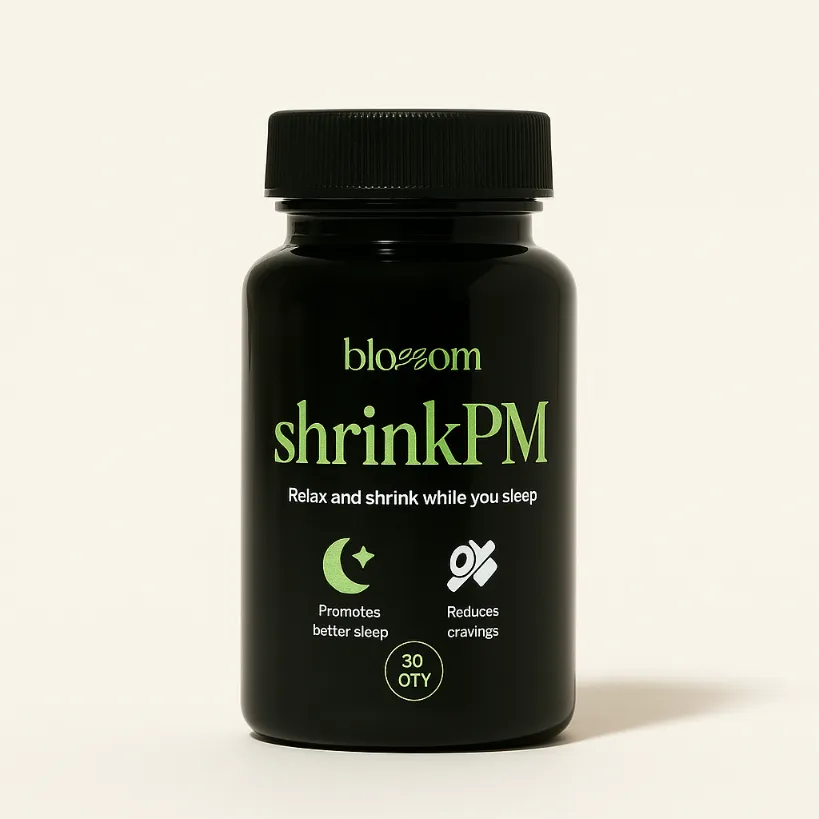
Shrink PM – Nighttime Appetite Control & Relaxation Support
Calm your cravings and unwind with Shrink PM — your gentle evening support for restful sleep and healthy weight management.
80 in stock
Frequently asked questions
1. Does eating at night slow metabolism?
No. Metabolism doesn’t shut down at night, but food choices and habits still matter.
2. Should I avoid eating after a certain time?
Not necessarily. Listening to hunger cues is more effective than strict time rules.
3. Can night eating cause weight gain?
It can if it leads to excess calories consistently, especially when driven by stress or habit.
4. Is it better to eat a snack or ignore hunger at night?
True hunger should be honoured with a balanced option.
5. How long does it take to improve night eating habits?
Many people notice improvement within one to two weeks of consistent daytime eating and calmer evenings.
A balanced view on night eating
Night eating isn’t the enemy of weight loss.
What matters most is understanding the reason behind it. When eating patterns are balanced and stress is supported, night eating becomes easier to manage and far less disruptive over time.
Leave a Reply