

Reaching for food to calm your body is often a response to stress, fatigue, or emotional overload rather than physical hunger.
When the nervous system is overstimulated, food can feel like quick relief.
Learning how to calm the body without eating helps reduce emotional and stress-driven cravings while supporting healthier appetite awareness.
Why the body looks to food for calm
1. Stress activates the nervous system
When stress is high, the body stays in alert mode. Food can temporarily soothe this response, making it feel calming.
2. Food releases comforting brain chemicals
Eating triggers chemicals that reduce tension and create a sense of relief, reinforcing the habit of using food for calm.
3. Fatigue lowers coping capacity
When tired, the body seeks the fastest way to feel better. Food often becomes the easiest option.
4. Emotional overload masks hunger cues
Strong emotions can drown out physical signals, making it hard to tell hunger from the need for calm.
5. Habit strengthens the food–comfort link
Repeatedly using food to relax conditions the brain to expect it during stressful moments.
Natural ways to calm your body without food
1. Slow your breathing
Deep, slow breathing signals safety to the nervous system and can reduce stress-driven urges within minutes.
2. Use gentle movement
Stretching or a short walk helps release tension and calm the body without stimulation.
3. Create sensory calm
Warm showers, soft lighting, or calming music can help the body relax naturally.
4. Practice brief pauses
Stepping away from stimulation for a few minutes helps reset the nervous system and reduce the urge to eat for comfort.
These practices address the root cause rather than suppressing cravings.
A supportive option for calming evening appetite
Calming the nervous system is especially important in the evening, when stress and fatigue peak. Gentle evening support can help reduce the urge to use food for comfort.
DailyYou Shrink PM is designed to be taken in the evening, when emotional and stress-driven cravings often appear. Many people use it to support appetite balance and calmer evenings.
- Taken in the evening as part of a wind-down routine
- Supports calmer appetite during stress
- Helpful for emotional or comfort-driven eating
- Easy to stay consistent with before bedtime
You can check the product below.
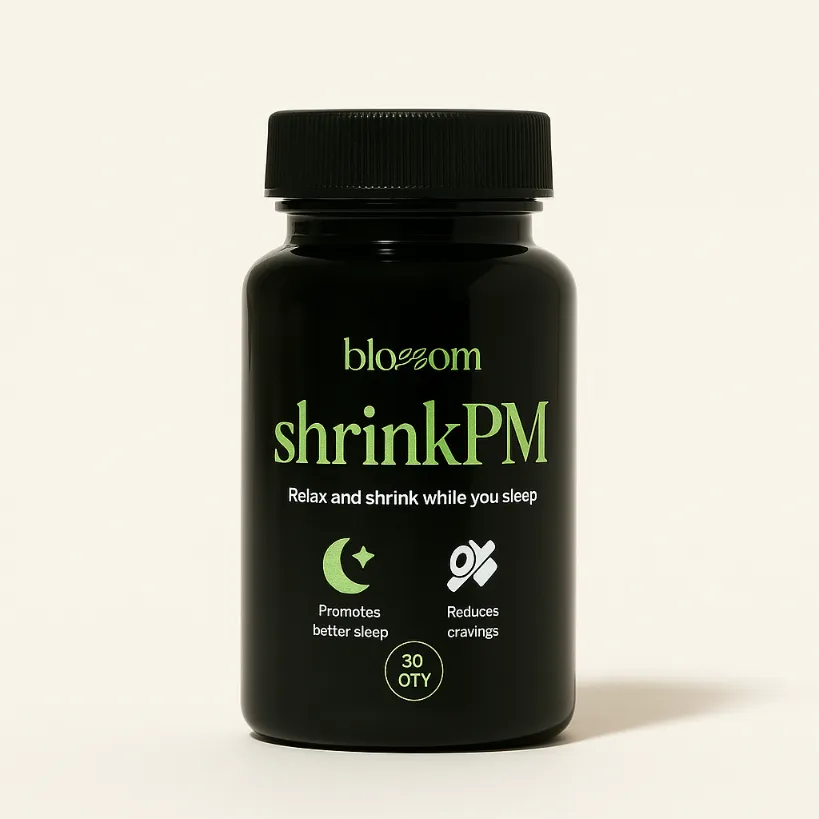
Shrink PM – Nighttime Appetite Control & Relaxation Support
Calm your cravings and unwind with Shrink PM — your gentle evening support for restful sleep and healthy weight management.
80 in stock
Frequently asked questions
1. Is eating for comfort always bad?
No. Occasional comfort eating is normal. The goal is to have other calming tools available.
2. Can calming techniques really reduce cravings?
Yes. When the nervous system relaxes, cravings often decrease naturally.
3. How long does it take to break the food–comfort habit?
Many people notice improvement within one to two weeks of consistent practice.
4. Does stress reduction help appetite control?
Yes. Lower stress improves appetite regulation and reduces emotional eating urges.
5. Should I ignore hunger when trying to calm down?
True hunger should still be honoured. These techniques are for non-hunger-driven urges.
Building calm without food
Using food to calm the body is a learned response, not a failure.
When calming tools are practiced consistently, the body learns new ways to relax, and food no longer has to carry that role alone.
Leave a Reply