Can Digestive Enzyme Imbalance Cause Bloating?
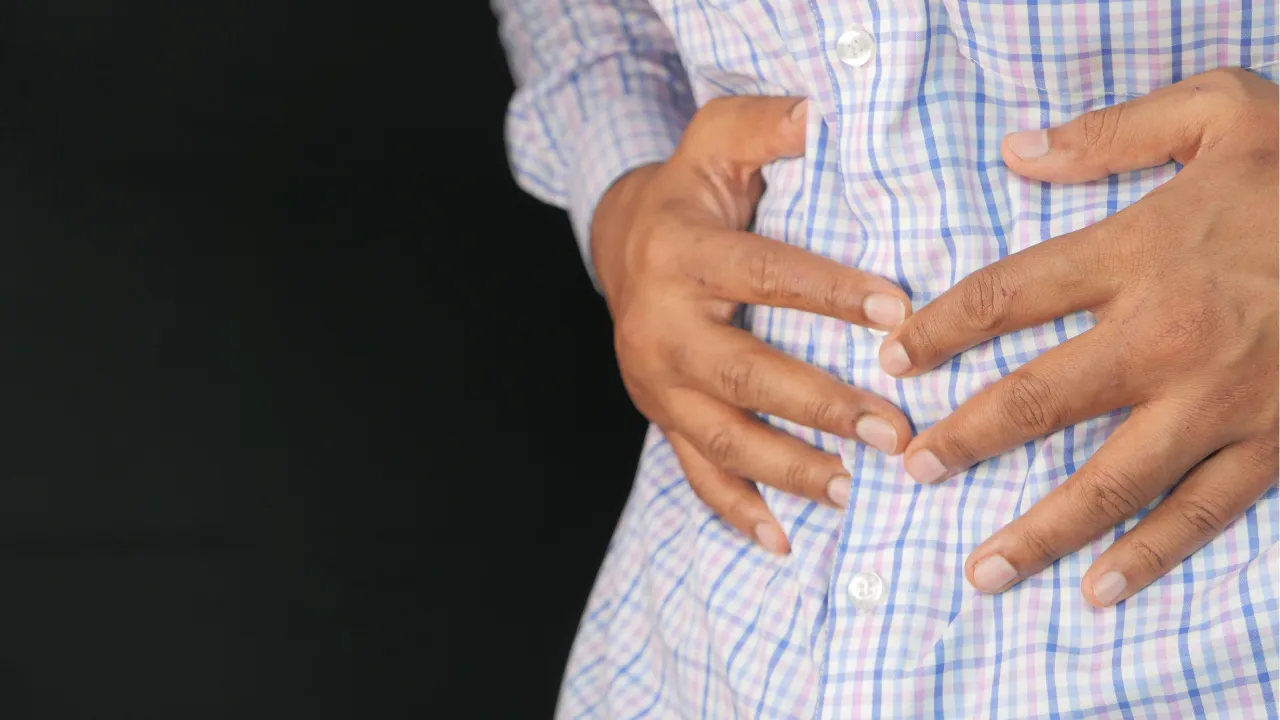
Yes, an imbalance or insufficiency of digestive enzymes can cause bloating. Digestive enzymes help break down food properly.
When enzyme activity is reduced or mismatched, food is not fully digested, leading to fermentation, gas production, and abdominal pressure.
Bloating often reflects incomplete digestion, not food intolerance.
At a Glance: Digestive Enzymes and Bloating
Digestive enzyme imbalance can cause bloating by:
- Slowing food breakdown
- Increasing fermentation in the gut
- Increasing gas production
- Creating heaviness after meals
- Increasing gut sensitivity
Even healthy foods can cause bloating if digestion is inefficient.
What Digestive Enzymes Do
Digestive enzymes help:
- Break down carbohydrates, fats, and proteins
- Prepare food for absorption
- Reduce fermentation
- Support smooth gut movement
Without enough enzyme activity, digestion becomes less efficient.
9 Ways Enzyme Imbalance Leads to Bloating
1. Poor Carbohydrate Breakdown
Undigested carbs ferment and create gas.
2. Incomplete Protein Digestion
Protein fermentation increases bloating and heaviness.
3. Fat Digestion Challenges
Fat lingers longer and slows digestion.
4. Increased Fermentation
Food sits longer in the gut and ferments.
5. Slower Gut Motility
Digestion feels heavy and delayed.
6. Gas Accumulation
Gas builds up behind undigested food.
7. Post‑Meal Fullness
Bloating appears shortly after eating.
8. Increased Gut Sensitivity
Pressure feels more uncomfortable.
9. Stress Interaction
Stress reduces enzyme release further.
Signs Your Bloating May Be Enzyme‑Related
Enzyme‑related bloating often looks like:
- Bloating shortly after meals
- Heaviness after eating
- Bloating from many different foods
- Increased gas
- Less bloating with smaller or simpler meals
Patterns often repeat consistently after eating.
Why Enzyme‑Related Bloating Is Often Missed
It’s often mistaken for:
- Food intolerance
- Needing food elimination
- “Weak digestion”
- Random bloating
But the issue is how food is digested, not the food itself.
What Not to Do When Enzyme Imbalance Causes Bloating
Avoid these common mistakes:
- Cutting many foods at once
- Skipping meals
- Eating very large meals
- Assuming digestion is broken
- Ignoring eating pace and stress
Supporting digestion works better than restriction.
How to Support Digestive Enzyme Function
To improve digestion:
- Eat slowly and chew thoroughly
- Eat in a relaxed state
- Avoid very large meals
- Include regular meal timing
- Manage stress
- Avoid rushing meals
Digestion starts before food reaches the stomach.
Support That Can Help With Enzyme‑Related Bloating
Some people benefit from additional support.
Helpful support may include:
- Digestive support to assist breakdown
- Gut support to reduce fermentation
- Evening support to manage stress and recovery
Support works best alongside calm eating habits.
Common Questions About Digestive Enzymes
1. Can enzyme issues cause bloating from healthy foods?
Yes — even simple foods can ferment if digestion is inefficient.
2. Does bloating mean I need supplements?
Not always — habits often improve enzyme release.
3. Why is bloating worse when I’m stressed?
Stress reduces digestive enzyme production.
Final Thoughts
Digestive enzyme imbalance can make even normal meals feel heavy and uncomfortable. Supporting calm eating, regular meals, and digestive efficiency often reduces bloating without cutting foods unnecessarily.
Digest well. Bloat less.
Leave a Reply