Is It Water Retention or Digestive Bloating?
Water retention and digestive bloating can look similar, but they are caused by different processes in the body.
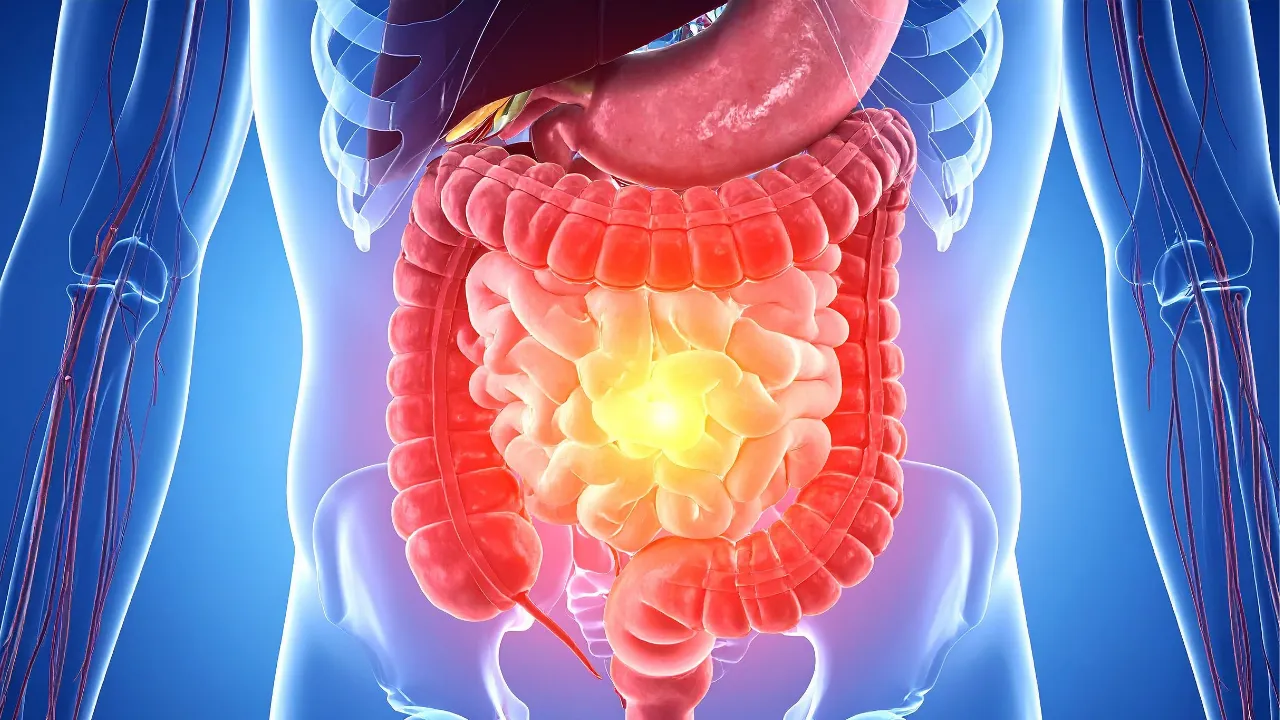
Water retention is caused by fluid being held in body tissues, while digestive bloating is caused by gas, food movement, or pressure in the digestive system.
Both are temporary and neither equals fat gain.
Understanding the difference helps you respond correctly instead of over‑restricting.
At a Glance: Water Retention vs Digestive Bloating
Water Retention
- Feels puffy or swollen
- Often affects the whole body
- Linked to hormones, salt, or stress
- May show on the scale
- Improves with time and consistency
Digestive Bloating
- Feels tight or pressurised
- Mostly affects the abdomen
- Linked to eating and digestion
- Fluctuates during the day
- Improves after digestion
Location and timing are key clues.
What Causes Water Retention?
Water retention happens when the body temporarily holds extra fluid. Common causes include:
- Hormonal changes
- High salt intake
- Stress
- Poor sleep
- Inflammation
- Sudden changes in diet or routine
Water retention is a protective response, not a problem to fight aggressively.
What Causes Digestive Bloating?
Digestive bloating is caused by:
- Gas build‑up
- Slow digestion
- Eating too fast
- Certain foods fermenting
- Stress affecting gut movement
It’s primarily a digestive issue, not a fluid issue.
8 Key Differences Between Water Retention and Bloating
1. Location
Water retention affects multiple areas; bloating is usually abdominal.
2. Texture
Water retention feels soft or puffy; bloating feels tight or stretched.
3. Timing
Water retention can last days; bloating changes throughout the day.
4. Triggers
Water retention is hormone‑related; bloating is meal‑related.
5. Scale Changes
Water retention often increases scale weight; bloating may not.
6. Relief
Bloating often improves after digestion; water retention fades gradually.
7. Clothing Fit
Water retention affects rings and shoes; bloating affects waistbands.
8. Sensation
Water retention feels heavy; bloating feels pressured.
Why These Two Are Often Confused
They’re commonly confused because:
- Both appear suddenly
- Both affect body image
- Both cause discomfort
- Both fluctuate
But they require different responses.
What Not to Do When You Feel Swollen
Avoid these common mistakes:
- Cutting calories drastically
- Skipping meals
- Over‑exercising
- Panic‑restricting food
- Assuming fat gain
These actions often worsen both issues.
How to Respond to Water Retention
To support fluid balance:
- Stay well hydrated
- Eat consistently
- Avoid extreme salt swings
- Prioritise sleep
- Manage stress
- Keep movement gentle and regular
Consistency helps the body release excess fluid.
How to Respond to Digestive Bloating
To support digestion:
- Eat slowly
- Reduce meal size if needed
- Stay hydrated
- Reduce stress around meals
- Maintain regular eating patterns
Calm digestion leads to quicker relief.
Support That Can Help With Swelling and Bloating
Some people benefit from targeted support.
Helpful support may include:
- Gut support for digestive comfort
- Digestive support to reduce gas
- Evening support to manage stress and fluid shifts
Support works best with stable habits.
Common Questions About Swelling and Bloating
1. Can I have both at the same time?
Yes — especially during hormonal or stressful periods.
2. Does water retention mean weight gain?
No. It’s temporary fluid, not fat.
3. How long do these usually last?
Bloating often resolves within hours; water retention may take a few days.
Final Thoughts
Water retention and digestive bloating may look similar, but they come from different causes and need different responses.
Neither means fat gain, failure, or loss of progress. Understanding the difference helps you stay calm, consistent, and confident.
Respond correctly — don’t overcorrect.
Leave a Reply