Is Slow Weight Loss a Bad Sign?
No, losing weight slowly is not a bad sign. In fact, slow weight loss is often healthier and more sustainable than rapid weight loss.
Many people lose weight slowly because their bodies are adapting, water retention fluctuates, or habits are improving before visible fat loss shows on the scale.
Slow progress usually means your body is responding safely, not failing.
Weight loss often feels slow when expectations are unrealistic. When appetite is better controlled, energy is stable, and routines are consistent, progress is happening even if the scale moves gradually.
At a Glance: Common Reasons Weight Loss Feels Slow
If your progress feels slow, it is often because of:
- Water retention masking fat loss
- Improved habits showing before scale changes
- Inconsistent routines
- Under eating or over restricting
- Stress or poor sleep
These factors can delay visible results without stopping fat loss.
Why the Scale Doesn’t Always Tell the Full Story
The scale measures total body weight, not just fat.
Slow changes happen because:
- Water weight fluctuates daily
- Digestion affects scale readings
- Muscle preservation keeps weight higher
- Hormonal shifts influence retention
This is why relying only on the scale can be misleading.
8 Reasons You Might Be Losing Weight Slowly
1. You’re Losing Fat, Not Water
Fat loss happens slower than water loss but lasts longer.
2. Your Body Is Adjusting
Metabolism and appetite regulation take time to stabilise.
3. Inconsistent Eating Patterns
Irregular meals can slow progress even with good food choices.
4. You’re Eating Too Little
Extreme restriction slows metabolism and increases water retention.
5. Stress Levels Are High
Stress hormones can affect fat storage and appetite.
6. Poor Sleep
Lack of sleep increases hunger and slows recovery.
7. Hidden Calories Add Up
Small snacks and drinks can slow progress over time.
8. Expectations Are Too High
Healthy progress is often slower than expected. That’s normal.
Signs Progress Is Happening Despite Slow Weight Loss
Even if the scale moves slowly, look for:
- Reduced cravings
- Better appetite control
- Improved energy levels
- Less bloating
- More consistent habits
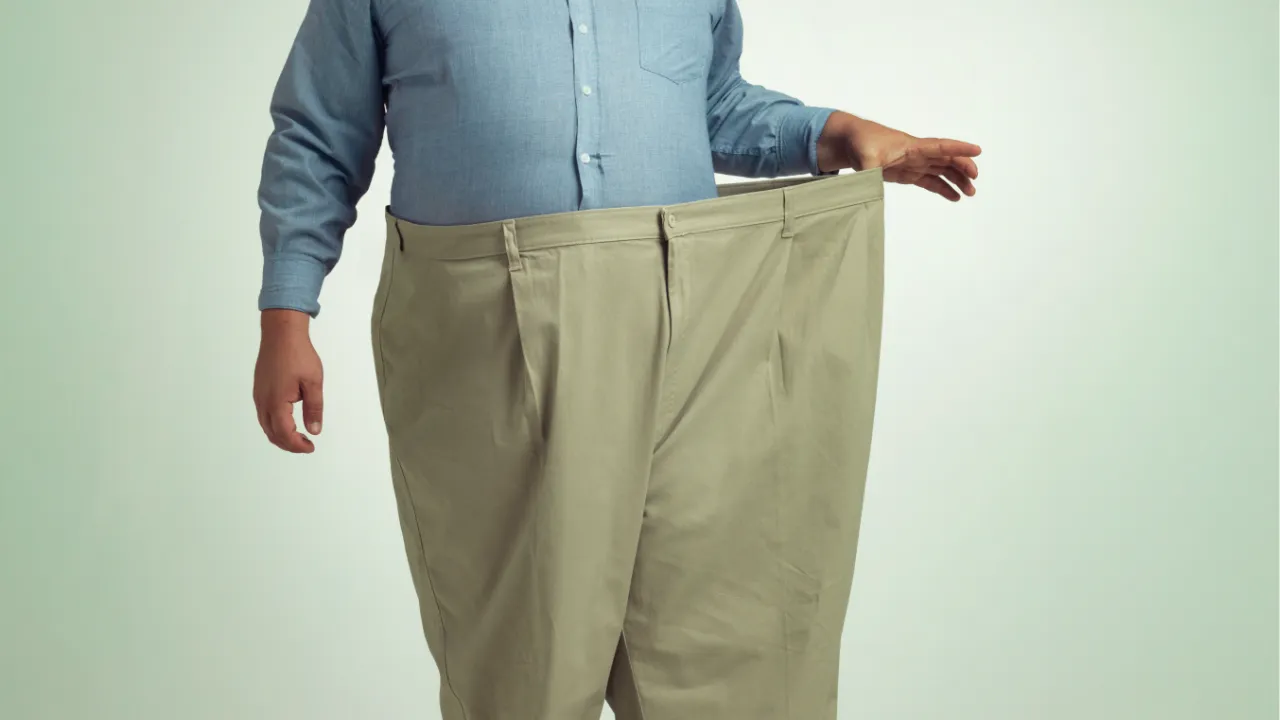
- Clothes fitting differently
These are strong indicators of fat loss and habit change.
How to Support Progress Without Rushing It
To help slow weight loss continue steadily:
- Eat regular, balanced meals
- Avoid extreme calorie cutting
- Prioritise sleep and stress management
- Track weekly trends, not daily numbers
- Focus on habits rather than speed
Consistency unlocks progress.
Support That Can Help When Progress Feels Slow
When weight loss feels slow, frustration often leads to extreme changes. Supportive tools can help maintain consistency without drastic measures.
Helpful support may include:
- Appetite support to reduce frustration eating
- Metabolism support to maintain energy
- Evening support to manage cravings
These supports help keep routines steady during slower phases.
Common Questions About Slow Weight Loss
1. Is slow weight loss healthier?
Yes. Slow progress is often easier to maintain long-term.
2. Should I change my plan if weight loss is slow?
Give habits several weeks before making adjustments.
3. Can stress really slow weight loss?
Yes. Stress plays a major role in appetite and fat storage.
Final Thoughts
Slow weight loss is not failure. It is often a sign that your body is adapting safely. When habits are consistent and appetite is controlled, progress is happening even if it takes time to show.
Stay patient, stay consistent, and trust the process.
Leave a Reply