
Do Meal Plans Help With Weight Loss?
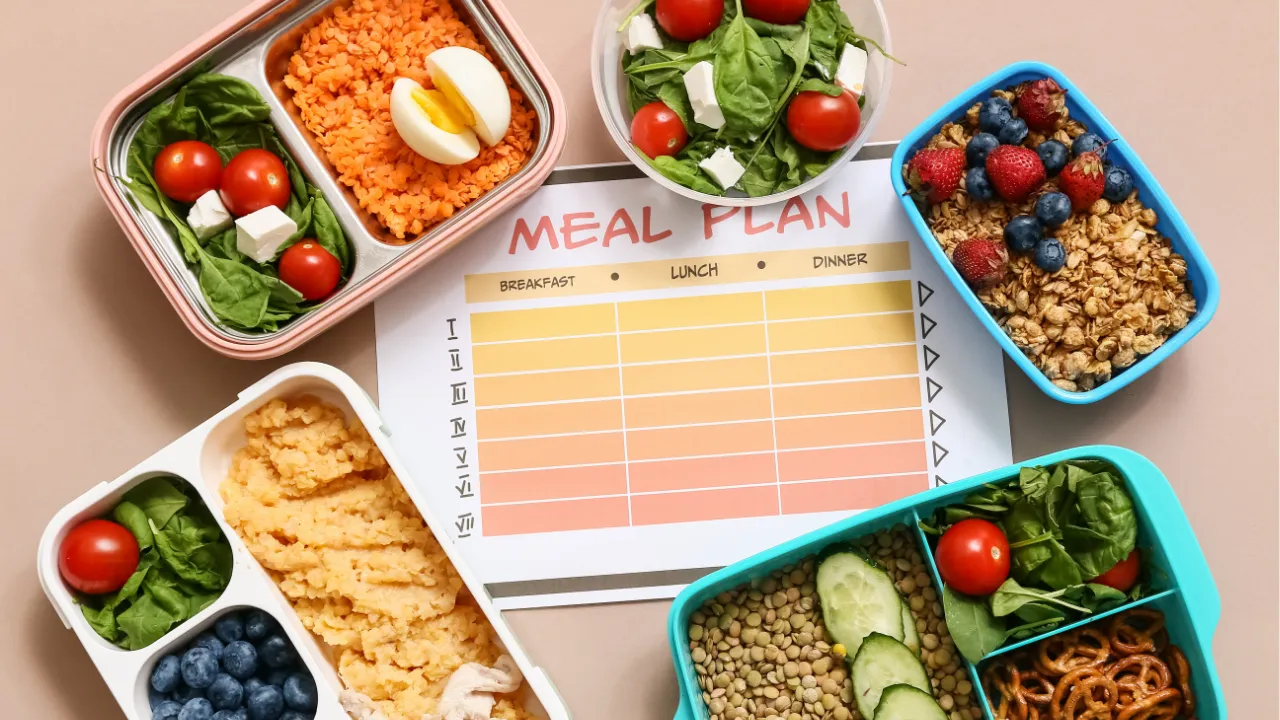
Yes, a simple meal plan can make weight loss much easier, especially when you feel overwhelmed or unsure what to eat.
A 7-day weight loss meal plan works best when it focuses on balanced meals, appetite control, and consistency rather than extreme calorie restriction.
The goal is not to eat perfectly, but to reduce decision fatigue, prevent overeating, and create structure around meals.
When meals are planned ahead, hunger is easier to manage and impulsive food choices decrease. This makes weight loss feel calmer and more sustainable, even without strict dieting.
At a Glance: What Makes a Meal Plan Effective for Weight Loss
A good meal plan should:
- Be simple and easy to follow
- Include regular meals
- Focus on foods that keep you full
- Reduce snacking and overeating
- Be flexible, not restrictive
This approach supports consistency rather than perfection.
Important Notes Before You Start
This meal plan is meant to guide structure, not dictate exact portions or calories.
Keep these principles in mind:
- Eat until comfortably full, not stuffed
- Adjust portions to suit your hunger
- Drink water throughout the day
- Avoid skipping meals
- Do not aim for extreme restriction
The plan works because it is repeatable.
The Simple 7-Day Weight Loss Meal Plan
Breakfast Options (Choose One Daily)
- Eggs with vegetables
- Plain yoghurt with fruit and seeds
- Oats with protein and fibre
- Smoothie with protein and fibre
Focus on protein and fibre to stay full longer.
Lunch Options (Choose One Daily)
- Grilled chicken or fish with vegetables
- Salad with protein and healthy fats
- Leftover dinner with balanced portions
- Soup with protein and vegetables
Keep lunches filling but not heavy.
Dinner Options (Choose One Daily)
- Lean protein with vegetables
- Stir-fry with protein and vegetables
- Baked protein with a small carb portion
- Simple home-cooked meals
Avoid oversized portions late at night.
Snack Guidelines (Optional)
Snacks are optional, not mandatory.
If needed, choose:
- Fruit
- Yoghurt
- Nuts in small portions
- Protein-based snacks
Avoid grazing throughout the day.
How to Structure Your 7 Days
Days 1–3: Set the Foundation
- Follow regular meals
- Reduce processed foods
- Focus on hydration
Days 4–5: Improve Appetite Control
- Eat slowly
- Notice hunger cues
- Reduce evening snacking
Days 6–7: Build Consistency
- Repeat meals that worked
- Avoid experimenting too much
- Prepare for the following week
This structure helps habits stick.
Common Meal Plan Mistakes to Avoid
Many meal plans fail because they are too rigid.
Avoid:
- Skipping meals to “save calories”
- Cutting out entire food groups
- Eating too little during the day
- Overcomplicating recipes
- Expecting perfection
Simplicity leads to better results.
Support That Can Make Meal Plans Easier
Some people struggle with hunger or energy even with good meal plans. Supportive tools can help make consistency easier.
Helpful support may include:
- Appetite support to reduce cravings
- Metabolism support to improve energy
- Evening support to manage late-night eating
These tools are meant to support meals, not replace them.
Common Questions About Meal Plans and Weight Loss
1. Do I need to count calories on this plan?
Not necessarily. Portion awareness and consistency matter more.
2. Can I swap meals around?
Yes. Flexibility is encouraged as long as balance is maintained.
3. What if I eat out one day?
One meal does not ruin progress. Return to the plan at the next meal.
Final Thoughts
A simple meal plan removes guesswork and reduces overwhelm. When meals are balanced and consistent, weight loss becomes easier to maintain.
You do not need complicated recipes or strict rules. You need structure that fits real life.
Use this 7-day plan as a guide, not a rulebook, and build from there.
Leave a Reply