
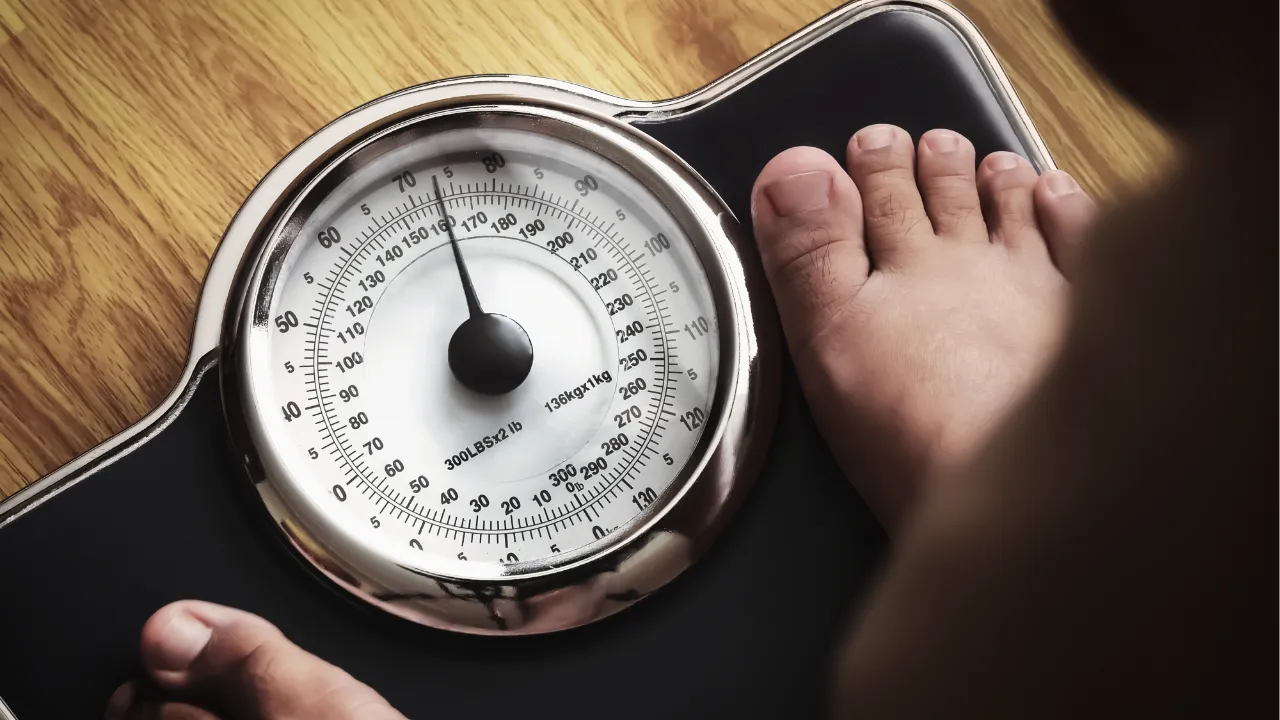
What Is a Weight Loss Plateau?
A weight loss plateau happens when your weight stays the same for several weeks despite continuing your efforts.
This does not mean weight loss has stopped permanently. Plateaus are a normal part of the process and usually occur because the body has adapted to your current routine.
Changes in water retention, metabolism, appetite, or stress can all cause the scale to pause.
Most plateaus resolve on their own when habits remain consistent. The key is understanding what causes plateaus and knowing how to respond without making extreme changes.
At a Glance: Common Causes of Weight Loss Plateaus
If the scale won’t move, it is often due to:
- Body adaptation to current habits
- Water retention masking fat loss
- Reduced calorie needs as weight decreases
- Inconsistent routines
- Stress or poor sleep
These factors are normal and temporary.
Why Plateaus Are Actually a Good Sign
Plateaus often mean your body is adjusting safely.
They can indicate:
- Fat loss is occurring slowly
- Muscle is being preserved
- Metabolism is adapting
- Habits are stabilising
A plateau is not failure. It is part of progress.
9 Reasons the Scale Stops Moving
1. Water Retention
Salt intake, stress, and hormones can cause temporary water weight.
2. Lower Calorie Needs
As you lose weight, your body needs fewer calories.
3. Eating Patterns Drift
Portions or snacking may increase without noticing.
4. Under Eating
Extreme restriction can slow metabolism and increase retention.
5. Poor Sleep
Lack of sleep affects appetite and fat loss.
6. Increased Stress
Stress hormones can stall scale changes.
7. Inconsistent Habits
Weekends or irregular routines can offset weekday progress.
8. Muscle Preservation
Maintaining muscle can keep weight stable while fat is lost.
9. Expecting Linear Progress
Weight loss is rarely a straight line
Signs Fat Loss Is Still Happening During a Plateau
Even if the scale stalls, look for:
- Reduced measurements
- Clothes fitting differently
- Better appetite control
- Improved energy
- Fewer cravings
These signs indicate continued progress.
What to Do When You Hit a Weight Loss Plateau
Instead of panicking, try this:
- Stay consistent for a few more weeks
- Review portion sizes calmly
- Improve sleep and stress management
- Avoid drastic calorie cuts
- Focus on habits, not the scale
Most plateaus break with patience and consistency.
Support That Can Help During Plateaus
Plateaus often feel frustrating, leading people to extreme changes. Supportive tools can help maintain consistency without panic.
Helpful support may include:
- Appetite support to reduce frustration eating
- Metabolism support to maintain energy
- Evening support to manage cravings
These supports help you stay steady during stalls.
Common Questions About Weight Loss Plateaus
1. How long do plateaus last?
They can last a few weeks. Consistency usually breaks them.
2. Should I change my plan immediately?
No. Give habits time before making adjustments.
3. Are plateaus unavoidable?
Yes. Most people experience them at some point.
Final Thoughts
A weight loss plateau is not a sign to quit. It is a sign to stay calm, consistent, and patient. When habits are solid, the body eventually responds.
Trust the process. Plateaus pass.
Leave a Reply