

Hunger and cravings feel similar, but they come from very different signals in the body. Hunger is a physical need for energy, while cravings are often driven by emotions, habits, stress, or blood sugar fluctuations.
When these signals are confused, it becomes easy to eat when the body isn’t truly hungry or ignore hunger when the body actually needs food.
Key differences between hunger and cravings
1. Hunger builds gradually
True hunger develops slowly over time and is usually felt as stomach emptiness, low energy, or difficulty concentrating. It’s your body asking for fuel.
2. Cravings appear suddenly
Cravings tend to come on quickly and are often very specific. You may want a particular food, texture, or flavour, even if you’ve eaten recently.
3. Hunger is satisfied by most foods
When you’re genuinely hungry, eating a balanced meal usually brings relief. Cravings often persist even after eating, especially if the underlying trigger hasn’t been addressed.
4. Cravings are often emotional or situational
Stress, boredom, fatigue, or certain environments can trigger cravings. These urges are less about physical need and more about comfort or routine.
5. Hunger doesn’t disappear with distraction
True hunger remains present even if you’re busy or distracted. Cravings often fade when attention is shifted elsewhere.
Natural ways to respond more effectively
1. Pause and check physical cues
Before eating, take a moment to notice how your body feels. Physical hunger usually comes with stomach sensations or low energy, while cravings feel more mental or emotional.
2. Eat balanced meals regularly
Consistent meals with protein and fibre help reduce both hunger and cravings. Stable blood sugar makes it easier to recognise true hunger signals.
3. Address emotional triggers
If cravings show up during stress or boredom, try a non-food response first. A short walk, stretching, or deep breathing can help break the pattern.
4. Allow flexibility without restriction
Overly restrictive eating can increase cravings. Giving yourself permission to eat a wide range of foods reduces the urge to overeat later.
These strategies help rebuild trust in your body’s signals over time.
A helpful option for daytime appetite awareness
When hunger and cravings blur together, extra support can make daily routines easier to manage, especially during busy or stressful days.
DailyYou Shrink AM is designed to be taken in the morning, when appetite patterns for the day begin to form. Many people use it to support appetite control and reduce impulsive snacking during the day.
- Taken in the morning as part of a daily routine
- Supports steadier appetite awareness
- Helpful for managing frequent cravings and hunger confusion
- Easy to stay consistent with alongside meals
You can check the product below.
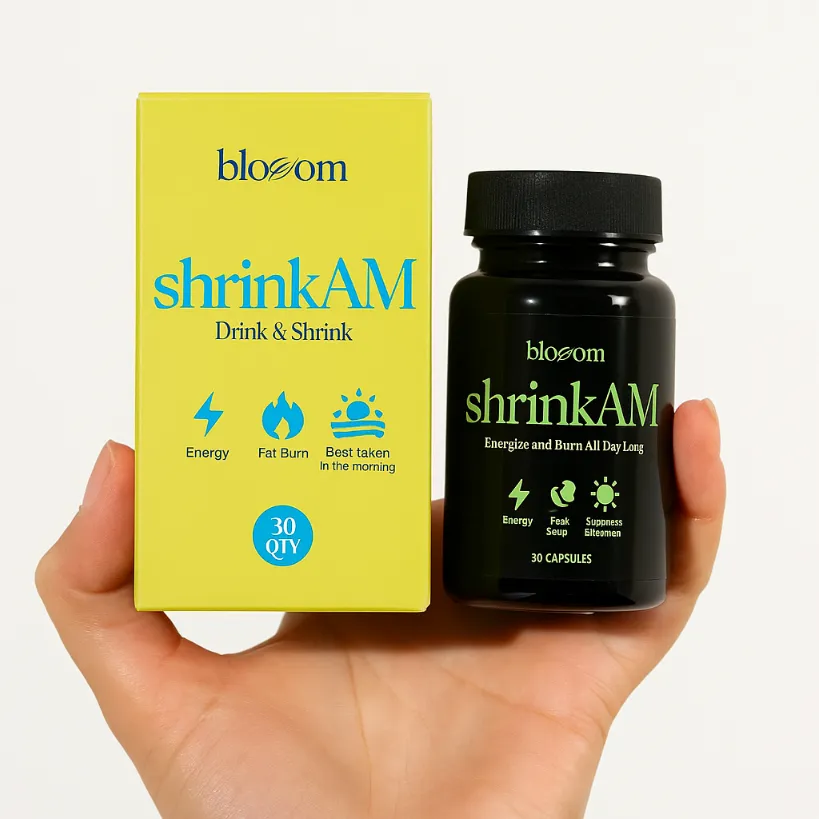
Shrink AM – Morning Appetite Control & Fat Burner
Start your day strong with Shrink AM — a natural morning supplement that curbs cravings, boosts energy, and helps burn fat.
Frequently asked questions
1. Can cravings mean I’m deficient in something?
Sometimes cravings reflect unmet needs, but they’re more commonly linked to habits, stress, or blood sugar changes rather than specific nutrient deficiencies.
2. Should I ignore cravings completely?
Not necessarily. Understanding the cause of a craving helps you decide whether food or another response is more appropriate.
3. Why do cravings feel stronger when dieting?
Restriction often increases mental focus on food, which can intensify cravings even when physical hunger is low.
4. Can poor sleep affect cravings?
Yes. Lack of sleep increases appetite hormones and reduces impulse control, making cravings more likely.
5. How long does it take to recognise hunger properly again?
With regular meals and reduced restriction, many people notice clearer hunger signals within one to two weeks.
Learning to listen to your body
Understanding the difference between hunger and cravings is a skill that develops with time and consistency.
When you respond to your body’s signals with balance instead of restriction, eating becomes calmer and far less confusing.
Leave a Reply