Can Poor Posture Cause Bloating?
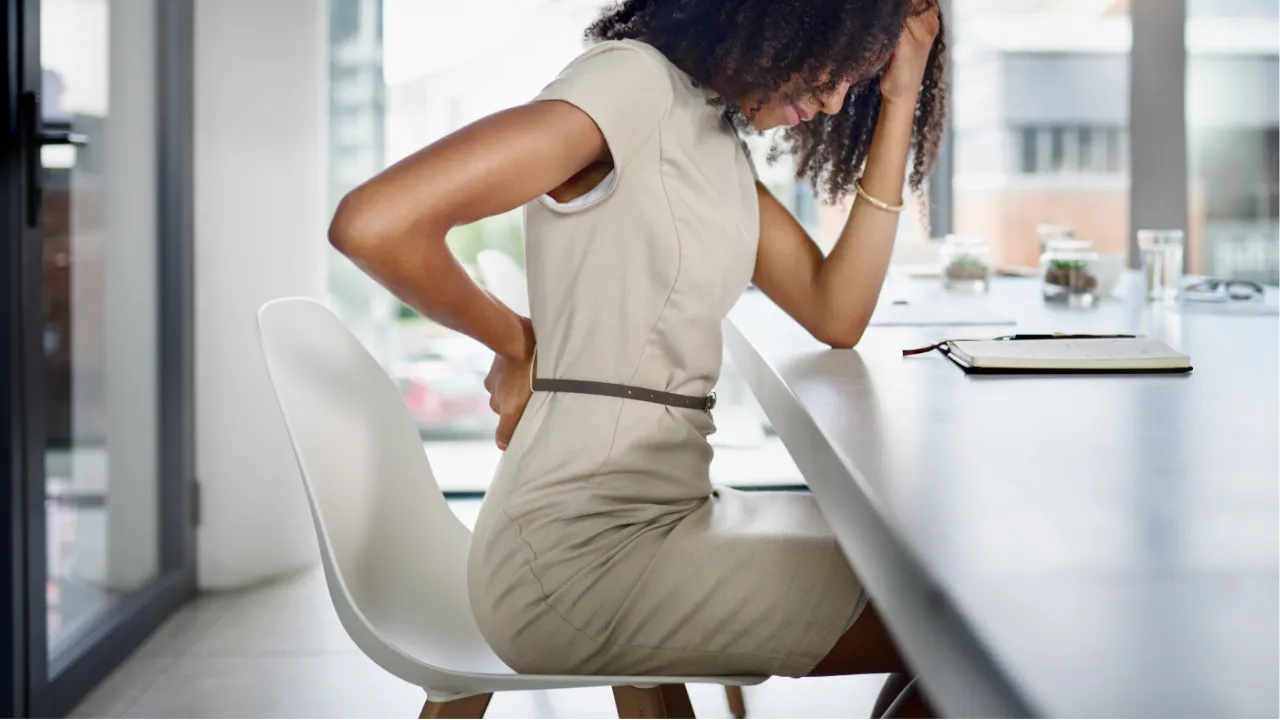
Yes, poor posture can contribute to bloating.
Slouching or collapsing the torso compresses the abdominal organs, restricts gut movement, traps gas, and increases pressure in the abdomen — making bloating feel more intense and more visible.
Posture doesn’t create gas, but it changes how digestion feels.
At a Glance: Posture and Bloating
Poor posture can worsen bloating by:
- Compressing the abdomen
- Trapping gas
- Slowing digestion
- Increasing pressure after meals
- Limiting diaphragmatic breathing
How you sit and stand affects digestive comfort.
How Posture Affects Digestion
When posture is poor:
- The abdomen is compressed
- The stomach and intestines have less space
- Gas movement is restricted
- Breathing becomes shallow
- The nervous system stays in a stress state
Digestion works best when the torso is upright and relaxed.
9 Ways Poor Posture Leads to Bloating
1. Abdominal Compression
Slouching squeezes the digestive organs.
2. Trapped Gas
Gas struggles to move upward or downward.
3. Reduced Gut Motility
Compression limits natural movement.
4. Increased Pressure After Meals
Fullness feels heavier when posture is collapsed.
5. Shallow Breathing
Reduced diaphragm movement affects digestion.
6. Increased Sensitivity
Normal digestion feels more uncomfortable.
7. Seated Slouching After Eating
Post‑meal posture worsens bloating.
8. Prolonged Desk Posture
Hours of poor posture compound symptoms.
9. Stress Feedback Loop
Discomfort increases tension, slowing digestion further.
Signs Your Bloating May Be Posture‑Related
Posture‑related bloating often looks like:
- Bloating that worsens when slouching
- Relief when standing upright
- Increased discomfort while sitting
- Bloating without food changes
- Less bloating when posture improves
Physical position is a strong clue.
Why Posture‑Related Bloating Is Often Missed
It’s often overlooked because:
- Focus stays on food
- Posture feels unrelated to digestion
- Slouching is normalised
- Symptoms build gradually
Mechanical factors still matter.
What Not to Do When Posture Worsens Bloating
Avoid these reactions:
- Cutting food unnecessarily
- Skipping meals
- Wearing tighter clothing
- Ignoring physical alignment
- Assuming digestion is failing
Giving the body space works better than restriction.
How to Reduce Bloating by Improving Posture
To support digestion:
- Sit upright during and after meals
- Avoid slouching at the desk
- Take posture breaks
- Stand or walk after eating
- Support the lower back
- Practice deep, relaxed breathing
Small posture changes can bring fast relief.
Support That Can Help With Posture‑Related Bloating
Some people benefit from additional support.
Helpful support may include:
- Digestive support for gas comfort
- Gut support to reduce sensitivity
- Evening support to calm stress and muscle tension
Support works best alongside better posture habits.
Common Questions About Posture and Bloating
1. Can posture really affect digestion?
Yes — compression and breathing matter.
2. Is standing better than sitting?
Often, yes — especially after meals.
3. Do I need perfect posture?
No — just less compression and more awareness.
Final Thoughts
Poor posture compresses the abdomen, traps gas, and increases digestive discomfort — making bloating feel worse than it needs to be.
Sitting upright, moving regularly, and giving the gut space can noticeably improve comfort without changing diet.
Posture creates space for digestion.
Leave a Reply