Can Hormonal Birth Control Cause Bloating?
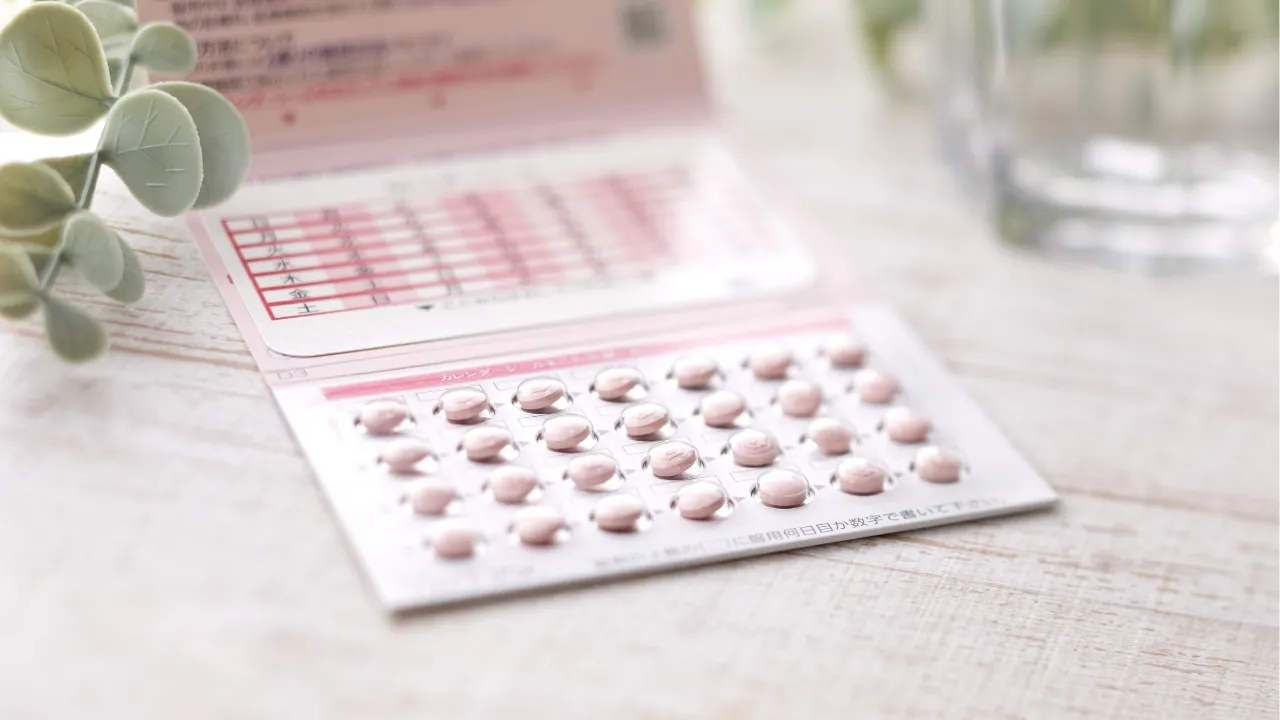
Yes, hormonal birth control can cause bloating. Hormonal contraceptives can affect fluid balance, gut motility, digestion, and hormone‑related water retention.
These changes can lead to abdominal fullness, pressure, and visible bloating — even without dietary changes.
Hormonal shifts strongly influence digestion and fluid regulation.
At a Glance: Hormonal Birth Control and Bloating
Hormonal birth control can cause bloating by:
- Increasing water retention
- Altering hormone balance
- Slowing gut motility
- Increasing constipation risk
- Increasing gut sensitivity
- Affecting appetite and eating patterns
Bloating may appear after starting, stopping, or changing contraception.
How Hormonal Birth Control Affects the Body
Hormonal birth control can:
- Alter estrogen and progesterone levels
- Affect fluid retention
- Influence gut movement
- Change appetite and cravings
- Impact stress and sleep patterns
These effects vary between individuals.
9 Ways Hormonal Birth Control Can Lead to Bloating
1. Water Retention
Hormonal changes increase fluid storage.
2. Slower Gut Motility
Digestion may move more slowly.
3. Increased Constipation
Slower bowel movements trap gas.
4. Hormone‑Related Gut Sensitivity
Pressure feels more uncomfortable.
5. Appetite Changes
Larger or irregular meals increase digestive load.
6. Fluid Shifts Throughout the Day
Bloating may worsen by evening.
7. Interaction With Stress
Stress amplifies hormone‑related symptoms.
8. Adjustment Phase
The body needs time to adapt.
9. Individual Hormone Sensitivity
Responses differ widely between people.
Signs Your Bloating May Be Hormone‑Related
Hormone‑related bloating often looks like:
- Bloating starting after hormonal changes
- Puffiness or fullness without food changes
- Bloating that fluctuates daily
- Increased bloating before periods
- Improvement after routine stabilises
Timing patterns are important clues.
Why Birth‑Control‑Related Bloating Is Often Confusing
It’s often misattributed because:
- Focus stays on food
- Hormones aren’t considered
- Symptoms are gradual
- Bloating overlaps with cycle changes
Hormones influence digestion more than many realise.
What Not to Do When Birth Control Causes Bloating
Avoid these reactions:
- Cutting food aggressively
- Skipping meals
- Over‑restricting carbohydrates
- Stopping medication without guidance
- Panicking about normal adjustment symptoms
Supporting digestion works better than restriction.
How to Reduce Bloating While on Hormonal Birth Control
To support digestion:
- Eat regular, balanced meals
- Stay hydrated
- Reduce excess sodium
- Move daily
- Manage stress
- Allow time for adjustment
Consistency helps the body adapt.
Support That Can Help With Hormone‑Related Bloating
Some people benefit from additional support.
Helpful support may include:
- Digestive support for comfort
- Gut support to reduce sensitivity
- Evening support to manage stress and sleep
Support works best alongside stable routines.
Common Questions About Birth Control and Bloating
1. Does bloating mean birth control isn’t right for me?
Not always — adjustment effects are common.
2. How long does hormone‑related bloating last?
Often weeks to a few months.
3. Can bloating happen even with the same diet?
Yes — hormones change digestion and fluid balance.
Final Thoughts
Hormonal birth control can influence digestion, fluid balance, and gut sensitivity — making bloating a common and often temporary side effect.
Supporting regular eating, hydration, movement, and patience helps the body adapt more comfortably.
Hormone shifts affect digestion.
Leave a Reply