Is Fat Burning the Same as Weight Loss?
No, fat burning and weight loss are not the same thing. Weight loss refers to a decrease in total body weight, which can include water, muscle, and fat.
Fat burning specifically means losing body fat while preserving muscle and maintaining healthy energy levels.
This is why the scale can change without real fat loss, and why fat loss can happen even when the scale barely moves.
Understanding the difference helps set realistic expectations and prevents frustration. Sustainable weight loss focuses on fat loss, not just lower numbers on the scale.
At a Glance: Fat Burning vs Weight Loss
Here’s how they differ:
Weight Loss
- Includes water, muscle, and fat
- Scale-focused
- Can change quickly
- Often short-term
Fat Burning
- Targets body fat
- Preserves muscle
- Slower but more sustainable
- Improves body composition
Fat loss is the goal, not just weight loss.
Why the Scale Can Be Misleading
The scale cannot tell you what type of weight you’re losing.
Scale changes are affected by:
- Water retention
- Digestive contents
- Muscle preservation
- Hormonal fluctuations
This is why relying only on the scale can cause unnecessary stress.
How Fat Burning Actually Works
Fat burning happens when the body uses stored fat for energy.
Key factors include:
- A consistent calorie deficit
- Appetite regulation
- Stable energy levels
- Adequate protein intake
- Stress and sleep management
Fat loss requires consistency over time, not extremes.
8 Key Differences Between Fat Burning and Weight Loss
1. Speed of Results
Weight loss can happen quickly. Fat loss is slower but lasting.
2. What’s Being Lost
Weight loss may include muscle. Fat loss targets fat.
3. Impact on Energy
Extreme weight loss lowers energy. Fat loss supports stability.
4. Appearance Changes
Fat loss improves body shape even without scale drops.
5. Sustainability
Fat loss habits are easier to maintain long-term.
6. Hunger Levels
Fat loss approaches manage hunger better.
7. Metabolic Health
Fat loss protects metabolism.
8. Regain Risk
Fat loss has a lower rebound risk.
Signs You’re Burning Fat Even If Weight Loss Is Slow
Look for these indicators:
- Clothes fitting better
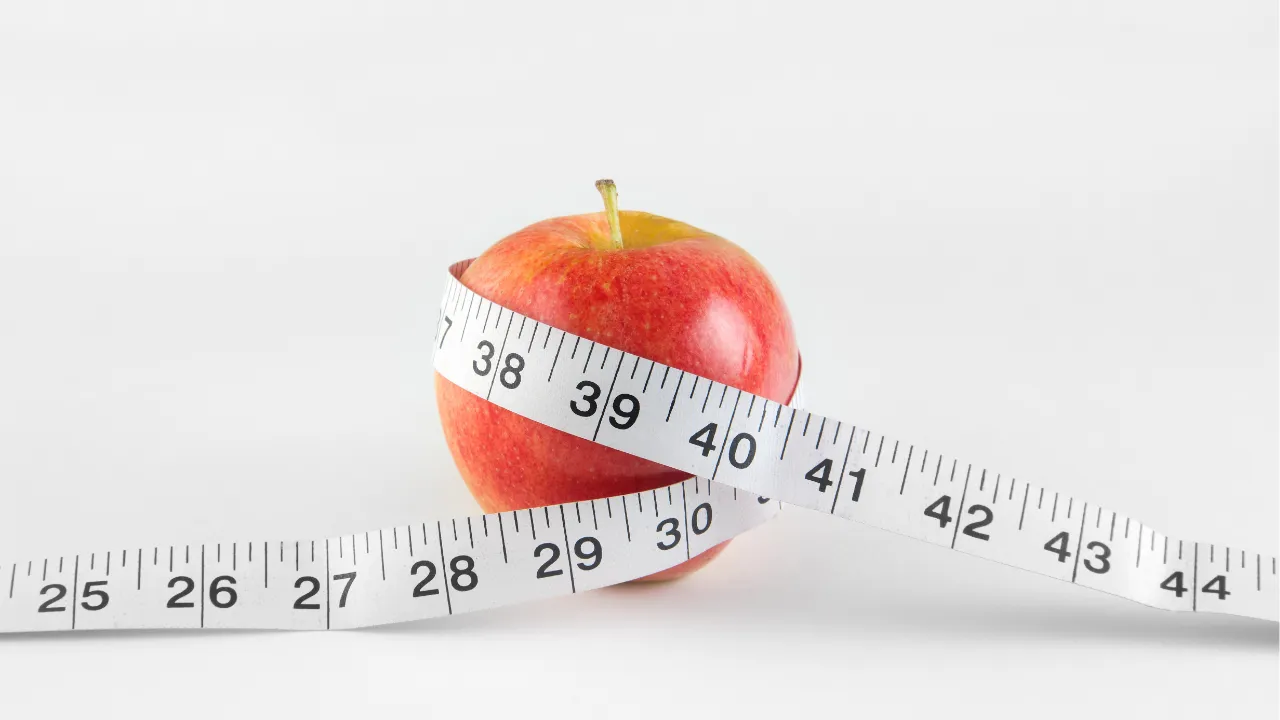
- Reduced waist measurements
- Improved energy
- Better appetite control
- Less bloating
These signs often appear before major scale changes.
How to Focus on Fat Burning Instead of Just Weight Loss
To prioritise fat loss:
- Eat regular, balanced meals
- Avoid extreme calorie restriction
- Support metabolism and energy
- Manage stress and sleep
- Focus on consistency, not speed
These habits protect muscle and encourage fat burning.
Support That Can Help With Fat Burning
Some people struggle with energy or hunger while trying to burn fat. Supportive tools can help reinforce consistency.
Helpful support may include:
- Metabolism support to improve energy
- Appetite support to regulate hunger
- Evening support to manage cravings
These supports help create the right conditions for fat loss.
Common Questions About Fat Burning vs Weight Loss
1. Why am I losing weight but not fat?
Early weight loss often includes water and muscle.
2. Can fat loss happen without weight loss?
Yes. Body composition can improve without scale changes.
3. Is fat loss slower than weight loss?
Yes, but it is more sustainable.
Final Thoughts
Weight loss and fat burning are not the same. Real progress comes from losing fat while preserving muscle and energy.
When you focus on fat loss instead of chasing the scale, results last longer and feel better.
Aim for fat loss, not just lower numbers.
Leave a Reply