
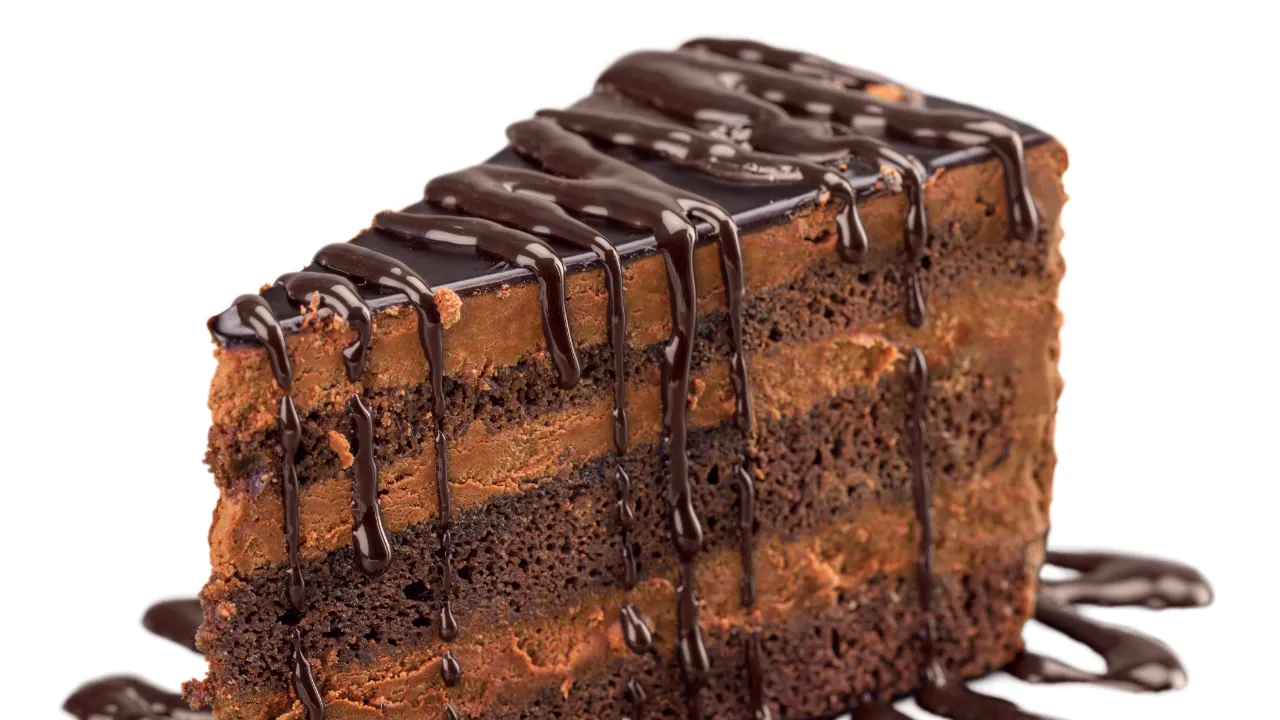
Emotional eating happens when food is used to cope with feelings rather than to satisfy physical hunger. Stress, anxiety, boredom, or overwhelm can all trigger the urge to eat because food temporarily soothes the nervous system. While it can feel automatic or out of control, emotional eating is a learned […]
Morning & Evening Routines
Your daily routine has the power to shape your body, energy, and mindset. This category focuses on the small but powerful rituals that can transform your wellness — whether it’s what you drink first thing in the morning or how you wind down at night. Structure your days for success with insights you can actually use.

Stress makes you crave comfort foods because it activates the body’s stress response and increases the need for quick relief and energy. When stress hormones remain elevated, the brain looks for foods that provide fast comfort, familiarity, and temporary calm—often foods high in sugar, fat, or refined carbohydrates. How stress […]

Mood has a direct influence on food cravings because emotions affect brain chemistry, stress hormones, and appetite regulation. When mood is low, anxious, or overwhelmed, the brain often seeks foods that provide quick comfort or relief. This is why cravings can feel stronger during emotional highs and lows, even when […]
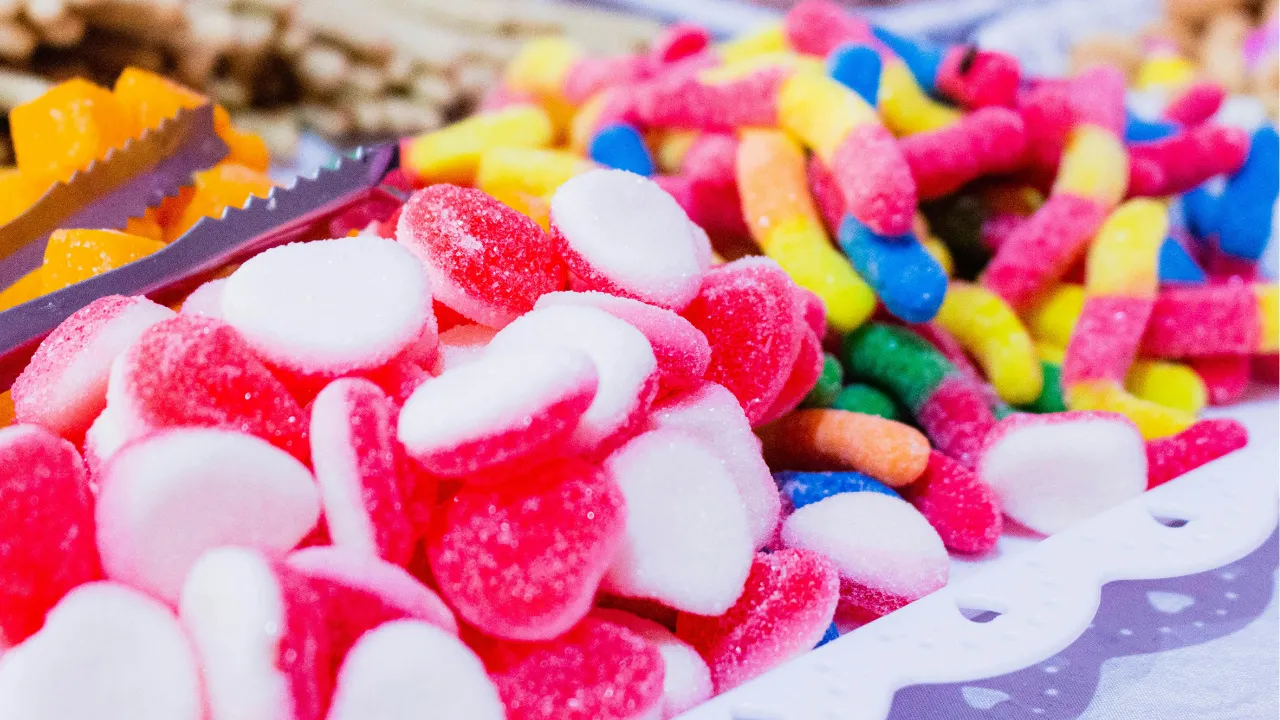
Craving sweets after dinner is usually caused by blood sugar changes, fatigue, and the body’s desire to unwind. When dinner doesn’t fully support satiety or when stress and tiredness peak in the evening, the brain often looks for something sweet as quick comfort or energy—even if you’ve already eaten enough. […]
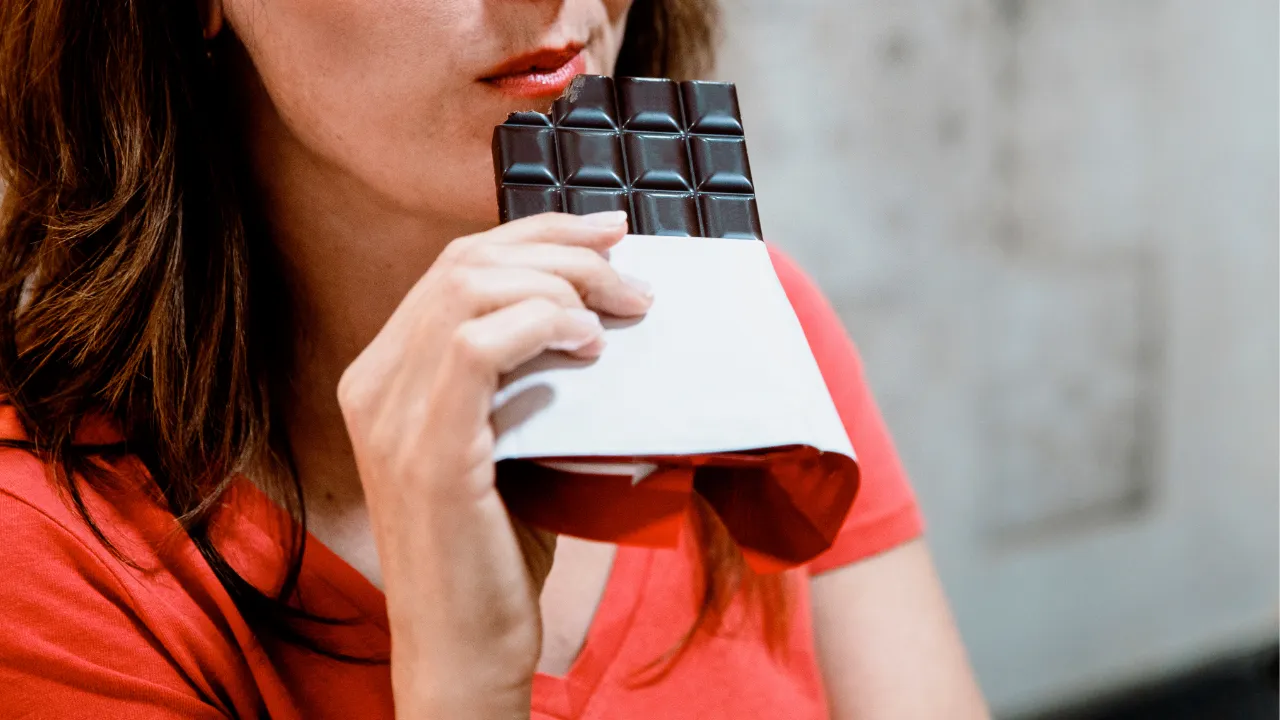
Eating more when you’re anxious is a common response to the body’s stress system being activated. Anxiety increases stress hormones, disrupts appetite regulation, and pushes the brain to seek comfort or relief through food. This often happens even when physical hunger isn’t present. How anxiety increases food intake 1. Stress […]

Night snacking is usually driven by habit, fatigue, stress, or unmet needs earlier in the day rather than true physical hunger. When eating becomes part of a nightly routine, the body learns to expect food at a certain time, even if it isn’t needed. Breaking the habit means changing the […]

Night-time cravings are often driven by fatigue, stress, and the body’s need to unwind rather than true hunger. Certain drinks can help reduce these cravings by promoting relaxation, supporting digestion, and helping the body transition into rest without relying on food. Why drinks can help reduce night-time cravings 1. Warm […]

Snacking when you’re not hungry is usually driven by habit, emotional cues, fatigue, or blood sugar fluctuations rather than physical need for food. When eating becomes tied to routine or comfort instead of hunger, the urge to snack can feel automatic and difficult to resist. Common reasons unnecessary snacking happens […]

Blood sugar plays a central role in appetite regulation. When blood sugar rises and falls too quickly, hunger signals increase and cravings become harder to control. Stable blood sugar helps the body feel satisfied after meals and reduces frequent urges to eat. How blood sugar influences hunger 1. Rapid spikes […]

Dieting can make you hungrier because restriction signals the body to protect itself. When food intake drops too low or becomes too rigid, hunger hormones increase, fullness signals weaken, and the brain becomes more focused on food. This makes appetite feel stronger and harder to control, even when weight loss […]