

Snacking when you’re not hungry is usually driven by habit, emotional cues, fatigue, or blood sugar fluctuations rather than physical need for food.
When eating becomes tied to routine or comfort instead of hunger, the urge to snack can feel automatic and difficult to resist.
Common reasons unnecessary snacking happens
1. Habits are linked to certain times or activities
Snacking often becomes associated with specific moments, such as watching TV, working late, or taking breaks, regardless of hunger.
2. Emotional cues trigger eating
Stress, boredom, or anxiety can prompt eating as a way to cope or self-soothe, even when the body doesn’t need food.
3. Blood sugar dips increase urges
When meals aren’t balanced or are spaced too far apart, blood sugar drops can trigger the urge to snack.
4. Fatigue mimics hunger
Low energy can feel like hunger. The body may seek food when rest or a break is actually needed.
5. Food is easily available
Constant access to snacks increases the likelihood of eating without hunger, especially during busy or distracted moments.
Natural ways to reduce unnecessary snacking
1. Eat balanced meals consistently
Meals with protein, fibre, and healthy fats reduce the need to snack between meals.
2. Pause and check hunger
Before snacking, take a moment to assess whether hunger is physical or habit-driven.
3. Address non-hunger needs
If snacking is driven by stress or boredom, try a short walk, stretch, or mental break instead.
4. Plan intentional snacks
If snacks are needed, eating them mindfully and with balance improves satisfaction and reduces repeat snacking.
These steps help restore hunger awareness without restriction.
A supportive option for managing daytime snacking
Unplanned snacking can disrupt appetite and routine. Gentle daytime support can help reduce urges to snack without hunger.
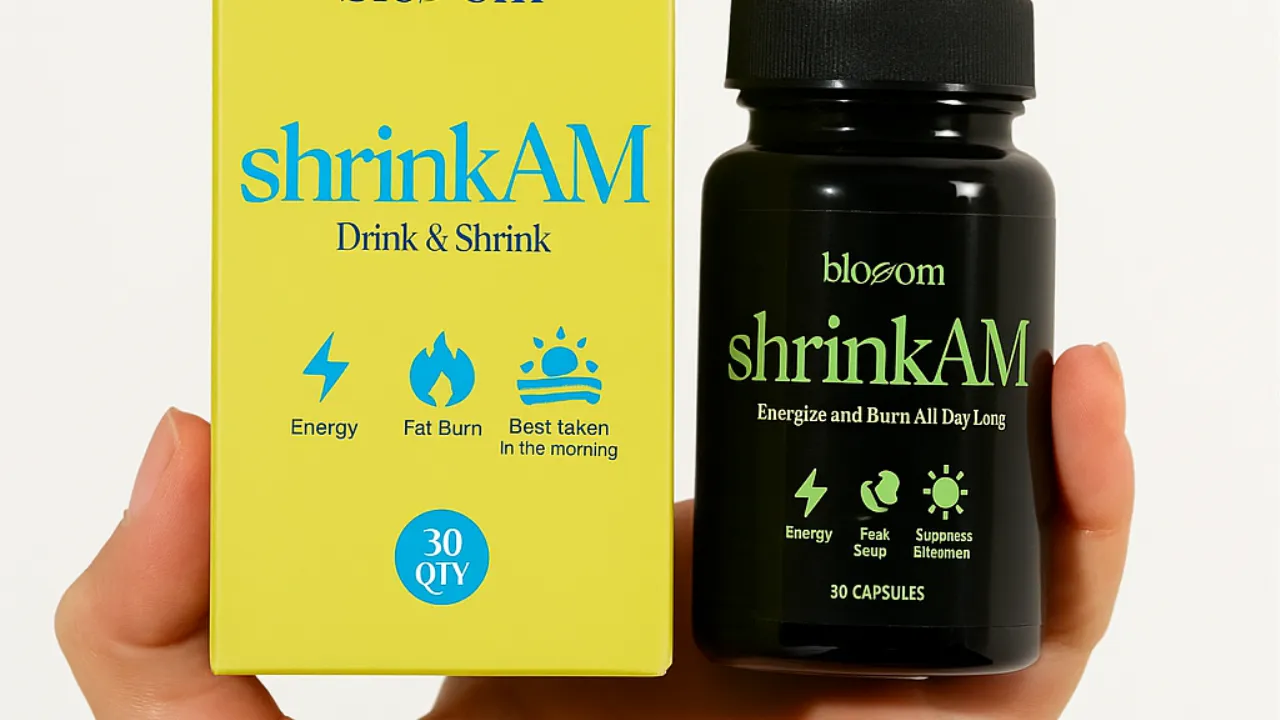
DailyYou Shrink AM is designed to be taken in the morning, when appetite patterns for the day are being set. Many people use it to support appetite control and reduce unnecessary snacking.
- Taken in the morning as part of a daily routine
- Supports steadier appetite throughout the day
- Helpful for reducing habitual or emotional snacking
- Easy to stay consistent alongside daily routines
You can check the product below.
Frequently asked questions
1. Is snacking always a bad thing?
No. Planned, balanced snacks can be helpful. Snacking becomes an issue when it replaces hunger awareness.
2. Why do I snack more when stressed?
Stress increases cortisol and emotional eating urges, making snacking feel comforting.
3. Can poor sleep increase snacking?
Yes. Fatigue increases hunger hormones and reduces impulse control.
4. Should I stop snacking completely?
Not necessarily. The goal is to snack intentionally when needed, not eliminate snacks altogether.
5. How long does it take to reduce unnecessary snacking?
Many people notice improvement within one to two weeks of consistent meal balance and awareness.
Creating intentional eating habits
Snacking without hunger isn’t a personal failure. It’s often a signal that routines, energy, or emotions need attention.
When eating becomes more intentional, appetite feels calmer and easier to manage over time.
Leave a Reply