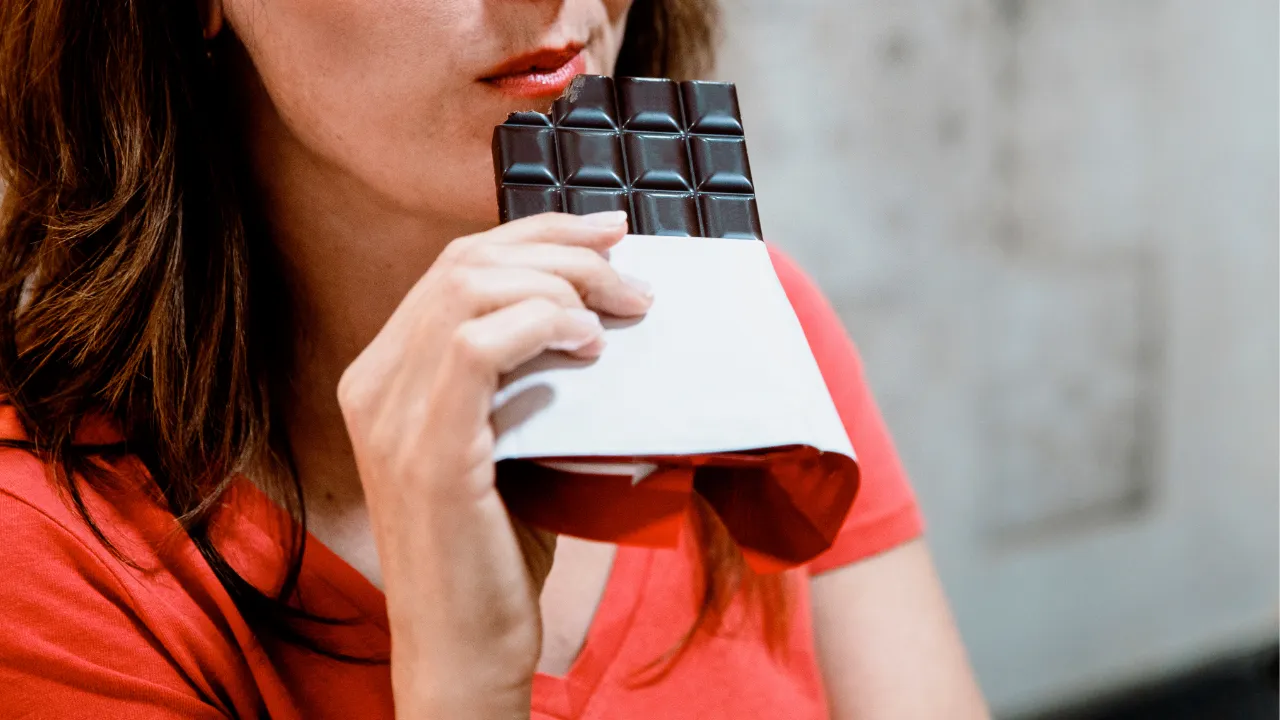
Eating more when you’re anxious is a common response to the body’s stress system being activated.
Anxiety increases stress hormones, disrupts appetite regulation, and pushes the brain to seek comfort or relief through food. This often happens even when physical hunger isn’t present.
How anxiety increases food intake
1. Stress hormones stimulate appetite
Anxiety raises cortisol levels, which can increase hunger and make food feel more urgent or comforting.
2. Food temporarily calms the nervous system
Eating activates calming brain chemicals that briefly reduce anxious feelings, reinforcing the urge to eat.
3. Blood sugar becomes unstable
Anxiety can interfere with blood sugar regulation, leading to hunger and cravings shortly after eating.
4. Anxiety reduces appetite awareness
When the mind is anxious, it’s harder to tune into physical hunger and fullness cues.
5. Mental fatigue lowers food control
Anxiety is mentally exhausting. When mental energy is low, impulse control around food weakens.
Natural ways to manage anxiety-related eating
1. Eat regular, balanced meals
Consistent meals help stabilise blood sugar and reduce anxiety-driven hunger spikes.
2. Use grounding techniques
Deep breathing, stretching, or short walks can calm the nervous system without relying on food.
3. Slow down eating
Eating more slowly allows fullness signals to register and reduces overeating during anxious moments.
4. Support sleep and recovery
Adequate rest improves emotional regulation and reduces anxiety-related eating urges.
These approaches address anxiety and appetite together.
A supportive option for managing anxiety-related eating
Anxiety-driven eating often intensifies in the evening, when stress accumulates and energy is low. Gentle evening support can help calm appetite and reduce anxious eating patterns.
DailyYou Shrink PM is designed to be taken in the evening, when anxiety-related cravings and eating urges often appear. Many people use it to support appetite balance and calmer nights.
- Taken in the evening as part of a wind-down routine
- Supports appetite balance during anxious periods
- Helpful for eating linked to anxiety
- Easy to stay consistent with before bedtime
You can check the product below.
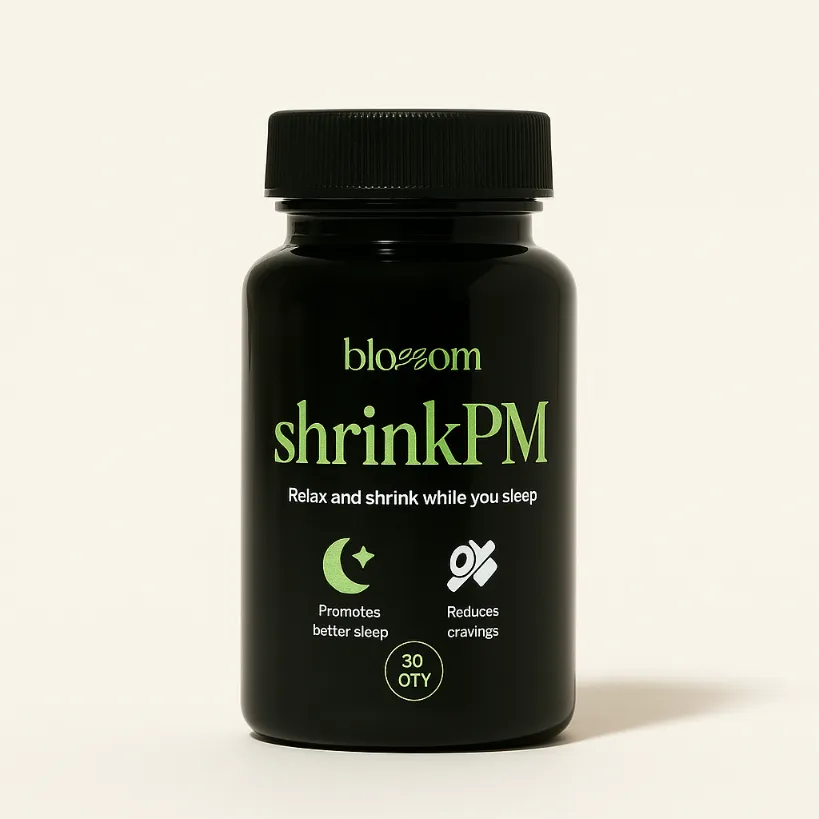
Shrink PM – Nighttime Appetite Control & Relaxation Support
Calm your cravings and unwind with Shrink PM — your gentle evening support for restful sleep and healthy weight management.
80 in stock
Frequently asked questions
1. Is eating when anxious emotional eating?
Often yes, but anxiety-related eating also has a hormonal and physiological component.
2. Can anxiety increase appetite even after meals?
Yes. Anxiety can delay fullness signals and increase hunger sensations.
3. Should I try to distract myself from eating when anxious?
Distraction can help, but addressing anxiety directly is more effective long term.
4. Can therapy help with anxiety-related eating?
Yes. Professional support can be helpful if anxiety significantly affects eating habits.
5. How long does it take to reduce anxiety-related eating?
Many people notice improvement within one to two weeks of consistent anxiety support and routines.
Responding to anxiety with care
Eating more when anxious isn’t a failure of control—it’s a biological response to stress. When anxiety is supported with calm routines and nourishment, eating becomes more balanced and far easier to manage over time.
Leave a Reply