

Feeling hungry right after dinner usually means appetite signals weren’t fully satisfied during the meal or earlier in the day. This can happen when dinner lacks balance, blood sugar drops quickly, or hunger has been building up for hours. Even a large dinner may not stop hunger if the body’s […]
General Wellness
Not every topic fits neatly into a box — and that’s okay. This category is your catch-all for helpful advice across all areas of wellness, including

Reducing appetite without supplements focuses on supporting the body’s natural hunger and fullness systems. When meals are balanced, blood sugar is stable, and stress and sleep are managed, appetite often settles on its own without the need for additional products. Why appetite feels difficult to manage 1. Blood sugar isn’t […]

Feeling hungry all the time can be normal in certain situations, but constant hunger is usually a sign that the body isn’t getting what it needs consistently. Factors like blood sugar imbalance, stress, poor sleep, restrictive eating, or digestion issues can all cause hunger signals to stay switched on, even […]

Yes, anxiety can increase appetite by activating stress hormones and disrupting the body’s natural hunger and fullness signals. When anxiety is present, the nervous system stays in a heightened state, which can trigger hunger, cravings, or constant urges to eat—even when the body doesn’t physically need food. How anxiety affects […]

Emotional stress leads to overeating because it disrupts appetite hormones, increases the need for comfort, and reduces the body’s ability to regulate hunger accurately. When stress is ongoing, food can become a quick way to cope, even when the body isn’t physically hungry. How emotional stress affects eating behaviour 1. […]

Mindless eating happens when food is consumed without awareness, often driven by habit, distraction, or emotional fatigue rather than physical hunger. When attention is elsewhere, the brain doesn’t fully register eating, which can lead to overeating and continued hunger soon after meals. Why mindless eating is so common 1. Distractions […]

Snacking when you’re not hungry is usually driven by habit, emotional cues, fatigue, or blood sugar fluctuations rather than physical need for food. When eating becomes tied to routine or comfort instead of hunger, the urge to snack can feel automatic and difficult to resist. Common reasons unnecessary snacking happens […]

Blood sugar plays a central role in appetite regulation. When blood sugar rises and falls too quickly, hunger signals increase and cravings become harder to control. Stable blood sugar helps the body feel satisfied after meals and reduces frequent urges to eat. How blood sugar influences hunger 1. Rapid spikes […]

Foods that help control appetite work by slowing digestion, stabilising blood sugar, and supporting fullness hormones. These foods don’t suppress hunger unnaturally — they help your body feel satisfied for longer so appetite becomes calmer and more predictable throughout the day. How certain foods support appetite control 1. Protein-rich foods […]
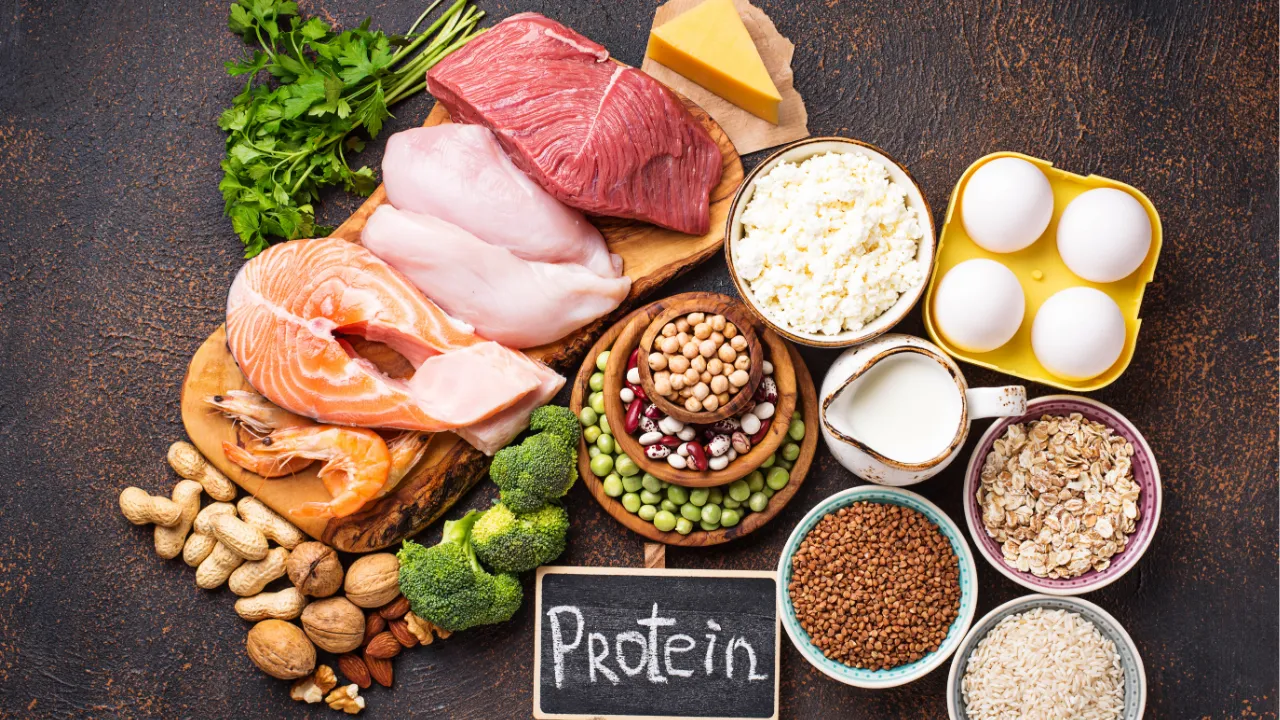
Protein helps you feel fuller for longer because it slows digestion, stabilises blood sugar, and increases hormones that signal satiety to the brain. Compared to carbohydrates or fats alone, protein takes more time and energy to digest, which helps reduce hunger between meals and makes appetite feel more manageable throughout […]