
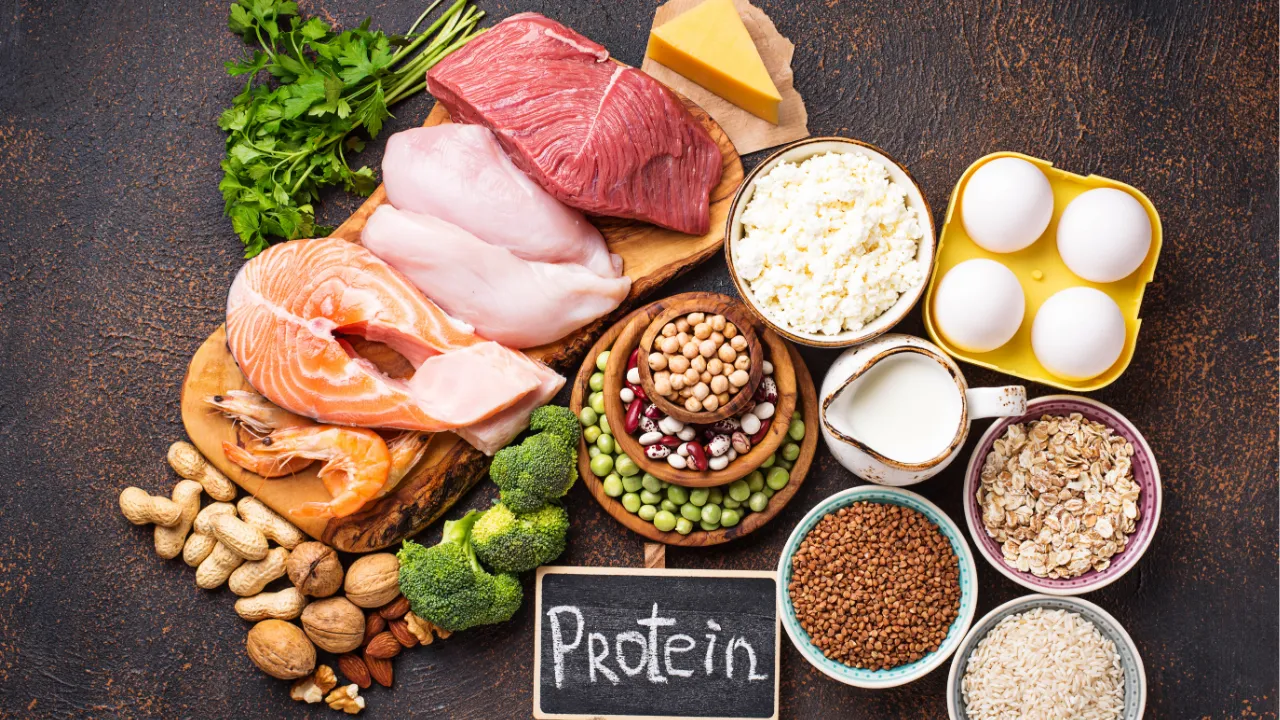
Protein helps you feel fuller for longer because it slows digestion, stabilises blood sugar, and increases hormones that signal satiety to the brain.
Compared to carbohydrates or fats alone, protein takes more time and energy to digest, which helps reduce hunger between meals and makes appetite feel more manageable throughout the day.
How protein supports fullness
1. Protein slows stomach emptying
Protein-rich foods stay in the stomach longer than refined carbohydrates. This delays digestion and helps fullness last longer after meals.
2. Fullness hormones are increased
Protein stimulates hormones that tell the brain you’ve eaten enough. These signals help reduce appetite and prevent frequent snacking.
3. Blood sugar stays more stable
When protein is included with meals, blood sugar rises more gradually. This reduces the spikes and crashes that often trigger hunger soon after eating.
4. Muscle preservation supports appetite balance
Protein helps maintain muscle mass, which plays a role in energy regulation and overall metabolic health. This can indirectly support steadier appetite.
5. Protein reduces cravings
Meals with enough protein often reduce cravings later in the day, particularly for sugary or refined foods.
Simple ways to include more protein daily
1. Add protein to breakfast
Including eggs, yoghurt, or protein-rich plant foods at breakfast can improve appetite control for the rest of the day.
2. Pair protein with every meal
Aim to include a palm-sized portion of protein at lunch and dinner. This helps each meal feel more satisfying.
3. Use protein in snacks
Snacks that include protein, such as yoghurt, nuts, or hummus, help prevent hunger from building between meals.
4. Combine protein with fibre
Protein works best when paired with fibre-rich foods like vegetables, legumes, or whole grains. Together, they slow digestion even more.
These strategies are practical and easy to apply in everyday eating.
A helpful option for supporting daytime fullness
Meeting protein needs consistently can be challenging during busy days. Additional daytime support can help maintain appetite balance alongside meals.
DailyYou Shrink AM is designed to be taken in the morning, when appetite patterns for the day are being set.
Many people use it to support appetite control and reduce between-meal hunger.
- Taken in the morning as part of a daily routine
- Supports longer-lasting fullness
- Helpful for people who struggle with frequent hunger
- Easy to stay consistent alongside protein-rich meals
You can check the product below.
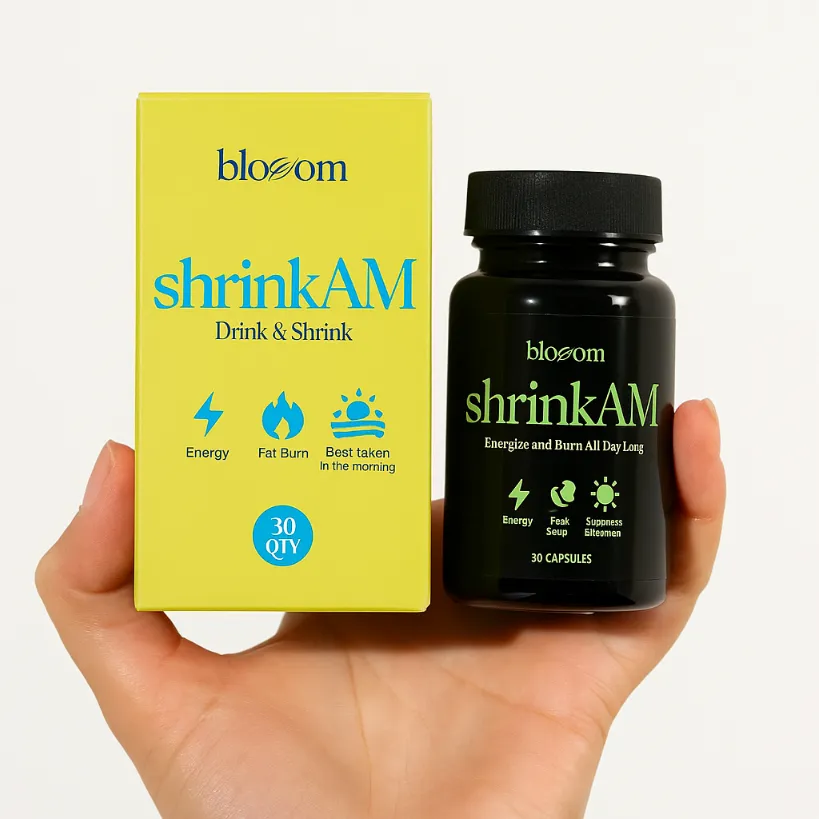
Shrink AM – Morning Appetite Control & Fat Burner
Start your day strong with Shrink AM — a natural morning supplement that curbs cravings, boosts energy, and helps burn fat.
Frequently asked questions
1. How much protein do I need to feel full?
Needs vary, but including a palm-sized portion of protein at each meal is a practical starting point for most people.
2. Can plant-based protein help with fullness?
Yes. Beans, lentils, tofu, and seeds can be very filling when eaten in adequate amounts.
3. Does eating more protein help with weight loss?
Protein can support weight management by improving satiety and reducing overeating, especially when combined with balanced meals.
4. Can too much protein cause problems?
Very high protein intake isn’t necessary for appetite control. Balance with fibre and other nutrients is important.
5. How quickly does protein affect hunger?
Many people notice improved fullness immediately after protein-rich meals and steadier appetite within days.
Building meals that truly satisfy
Protein isn’t about restriction or rigid rules. It’s a tool that helps meals feel complete and satisfying.
When protein intake is consistent and balanced, hunger becomes easier to manage and eating feels far more stable over time.
Leave a Reply