

Reaching for food to calm your body is often a response to stress, fatigue, or emotional overload rather than physical hunger. When the nervous system is overstimulated, food can feel like quick relief. Learning how to calm the body without eating helps reduce emotional and stress-driven cravings while supporting healthier […]
General Wellness
Not every topic fits neatly into a box — and that’s okay. This category is your catch-all for helpful advice across all areas of wellness, including

Night eating isn’t automatically bad for weight loss, but it can interfere with progress when it’s driven by stress, habit, or imbalance rather than true hunger. The impact of eating at night depends more on why it’s happening and what patterns exist throughout the day than on the clock itself. […]

Sleep deprivation triggers cravings by disrupting appetite hormones, increasing stress, and reducing the brain’s ability to regulate food choices. When sleep is insufficient, the body seeks quick energy and comfort, making cravings feel stronger and harder to manage the following day—especially for sugary and refined foods. How lack of sleep […]
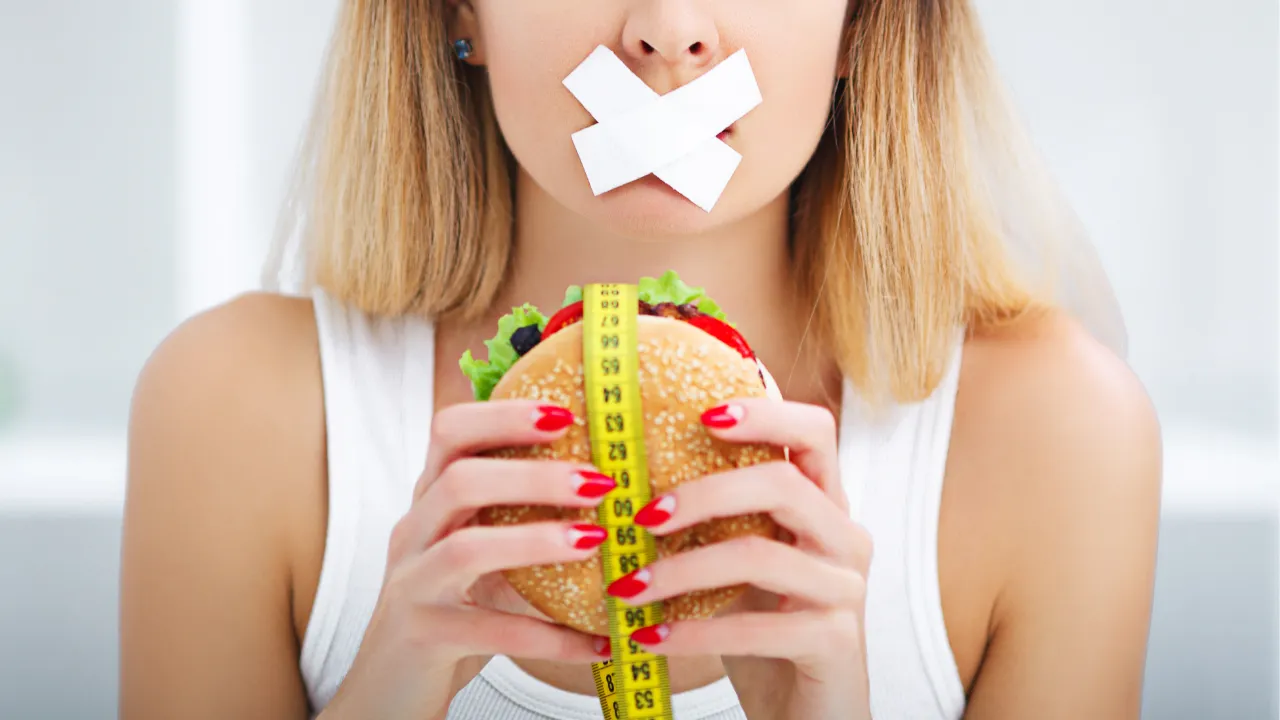
Restricting foods often increases cravings because it creates a sense of deprivation in the body and mind. When foods are labelled as “off-limits,” the brain becomes more focused on them, appetite hormones increase, and cravings feel stronger over time. This response is biological, not a lack of discipline. How food […]
Not all cravings mean the same thing. Some are driven by physical hunger, while others are triggered by emotions, stress, or fatigue. Learning to tell the difference helps you respond in a way that actually meets your body’s needs instead of leaving you unsatisfied or frustrated. Key differences between emotional […]
Craving carbohydrates during stress is a natural biological response. Stress affects blood sugar, hormones, and brain chemistry, pushing the body to seek quick energy and comfort. Carbohydrates, especially refined ones, provide fast fuel and temporarily soothe the nervous system, which is why they feel especially appealing during stressful periods. How […]

Emotional eating can affect progress when food becomes the primary way to cope with stress, fatigue, or difficult emotions. It often happens automatically and isn’t about lack of discipline. Understanding why emotional eating occurs makes it possible to manage it without guilt or extreme restriction. How emotional eating impacts progress […]

Cravings often get worse in the evening because energy is low, stress has accumulated, and appetite regulation is less stable. After a full day of decision-making and mental effort, the body looks for comfort and quick relief. This makes cravings feel stronger at night, even when physical hunger isn’t present. […]
Night snacking is usually driven by habit, fatigue, stress, or unmet needs earlier in the day rather than true physical hunger. When eating becomes part of a nightly routine, the body learns to expect food at a certain time, even if it isn’t needed. Breaking the habit means changing the […]

Late-night food cravings are usually caused by a mix of fatigue, stress, blood sugar changes, and unmet needs earlier in the day. As energy drops and the body prepares for rest, hunger and craving signals can become louder, especially when routines are inconsistent or meals haven’t been fully satisfying. Common […]