

Foods that help control appetite work by slowing digestion, stabilising blood sugar, and supporting fullness hormones. These foods don’t suppress hunger unnaturally — they help your body feel satisfied for longer so appetite becomes calmer and more predictable throughout the day. How certain foods support appetite control 1. Protein-rich foods […]
Vanessa Makwakwa
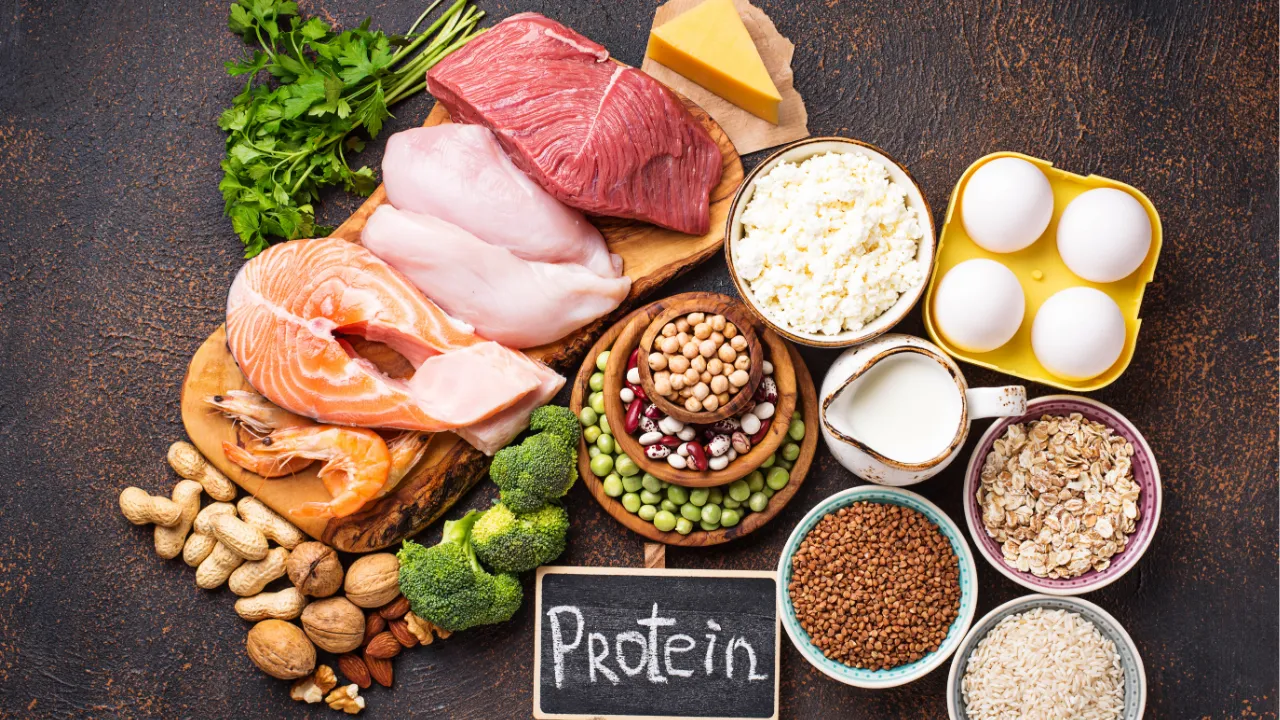
Protein helps you feel fuller for longer because it slows digestion, stabilises blood sugar, and increases hormones that signal satiety to the brain. Compared to carbohydrates or fats alone, protein takes more time and energy to digest, which helps reduce hunger between meals and makes appetite feel more manageable throughout […]

Feeling hungry even when you eat healthy foods usually means meals are missing balance rather than nutrition. While whole foods are beneficial, eating them without enough protein, fibre, or energy density can cause meals to digest too quickly. As a result, hunger returns soon after eating, even though food choices […]

Drinking water can help reduce appetite in some situations, but it doesn’t suppress hunger on its own. Water supports appetite control mainly by improving hydration, aiding digestion, and helping the body distinguish between true hunger and thirst. When hydration is low, the body often sends hunger-like signals that can feel […]

Poor sleep increases hunger because it disrupts the hormones that regulate appetite, energy, and fullness. When sleep is insufficient or inconsistent, hunger hormones rise while fullness signals weaken. This makes appetite feel stronger the next day, even if eating habits haven’t changed. How sleep affects appetite 1. Hunger hormones increase […]

Craving food when you’re tired is the body’s way of trying to compensate for low energy and reduced mental focus. Fatigue disrupts appetite hormones, lowers blood sugar control, and weakens decision-making, making the brain seek quick energy through food. This is why tiredness often feels like hunger, even when you’ve […]

Breakfast choices affect hunger all day because they influence blood sugar stability, appetite hormones, and energy levels from the very start. When breakfast lacks balance or is skipped altogether, hunger signals tend to intensify later, often showing up as cravings or overeating in the afternoon and evening. How breakfast shapes […]

Fibre helps reduce hunger naturally by slowing digestion, stabilising blood sugar, and increasing feelings of fullness after meals. Unlike restrictive approaches, fibre works with the body by adding volume to food and extending satiety, making hunger feel calmer and more manageable throughout the day. How fibre supports appetite control 1. […]

Ultra-processed foods increase appetite because they are designed to digest quickly, spike blood sugar, and override natural fullness signals. These foods are often low in fibre and protein but high in refined carbohydrates, fats, and additives, which makes it difficult for the body to feel satisfied after eating. How ultra-processed […]

Hunger and cravings feel similar, but they come from very different signals in the body. Hunger is a physical need for energy, while cravings are often driven by emotions, habits, stress, or blood sugar fluctuations. When these signals are confused, it becomes easy to eat when the body isn’t truly […]