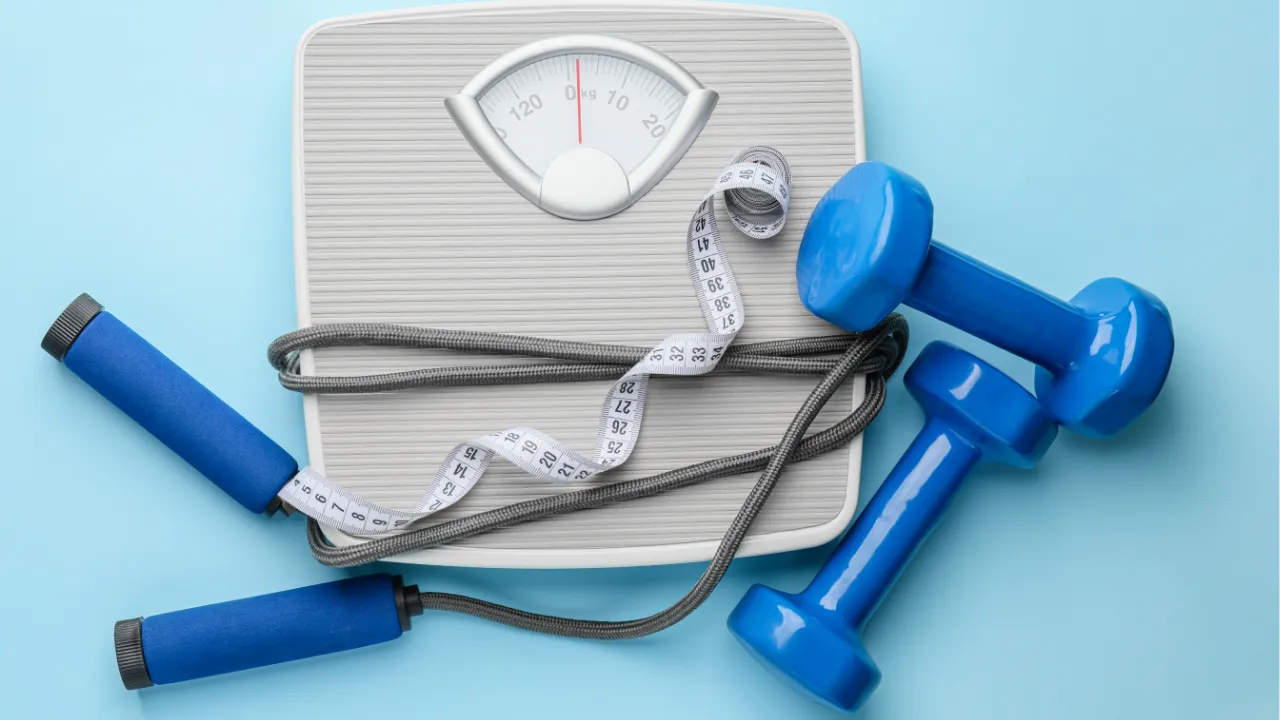
Is Cardio or Strength Training Better for Weight Loss? Both cardio and strength training can support weight loss, but they work in different ways. Cardio helps burn calories during activity, while strength training helps preserve muscle and support metabolism over time. The most effective approach for sustainable weight loss usually […]
Tiisetso Matlala
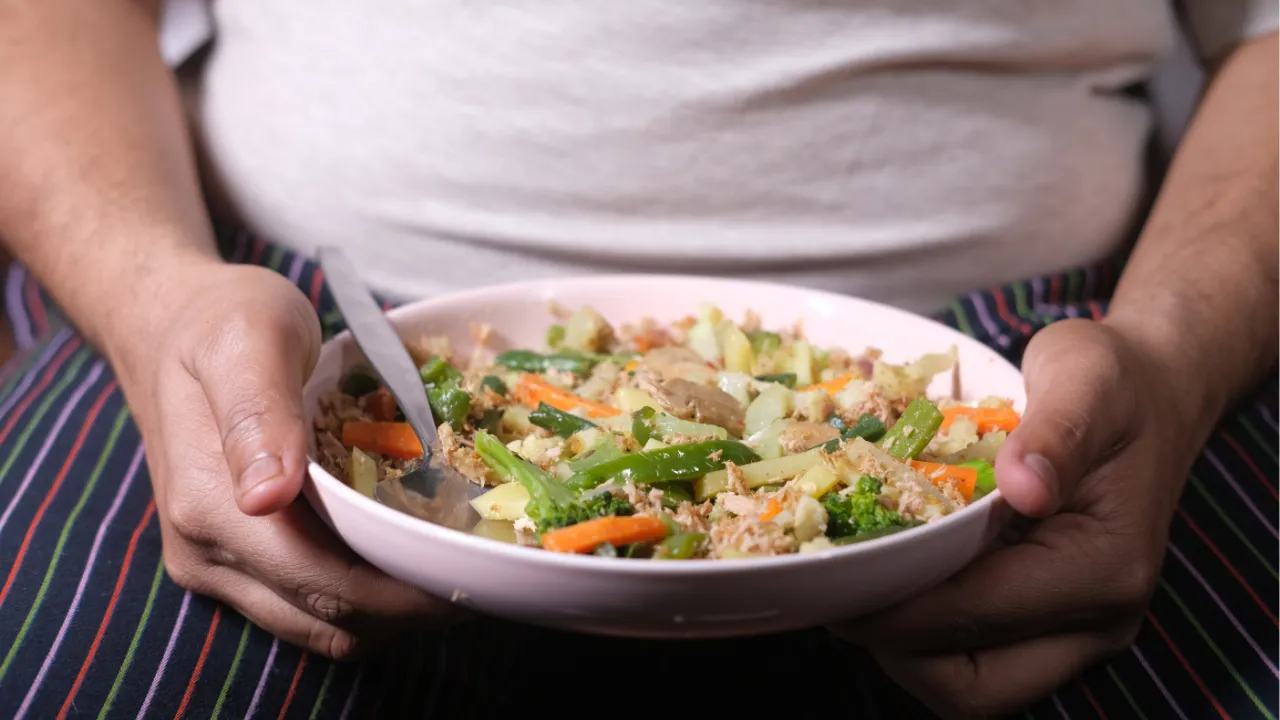
How Can I Control My Appetite Without Eating Too Little? You can control your appetite without starving by eating consistently, choosing filling foods, and reducing stress on the body. Appetite control is not about willpower. It is about supporting hunger hormones so your body does not feel threatened. When meals […]
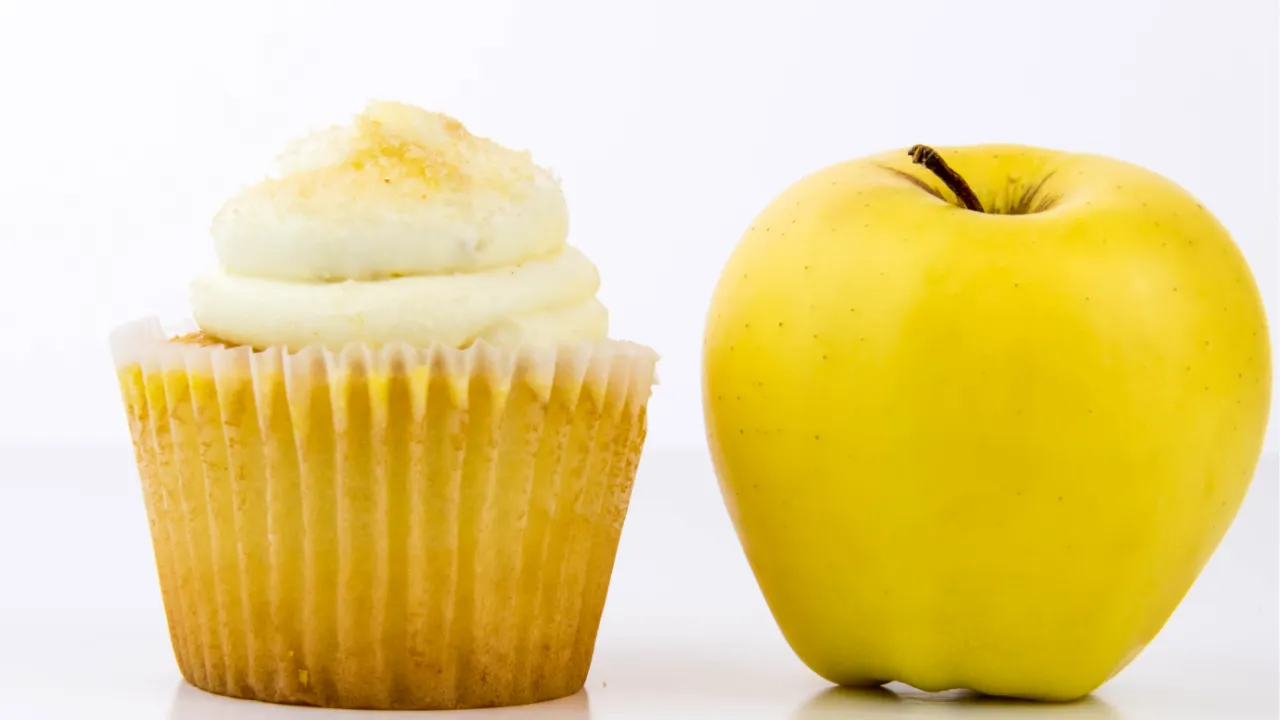
What’s the Difference Between Hunger and Cravings? Hunger and cravings are not the same. Hunger is your body’s physical signal that it needs energy, while cravings are often driven by emotions, habits, stress, or specific food triggers. Understanding the difference helps you respond correctly instead of eating out of confusion […]
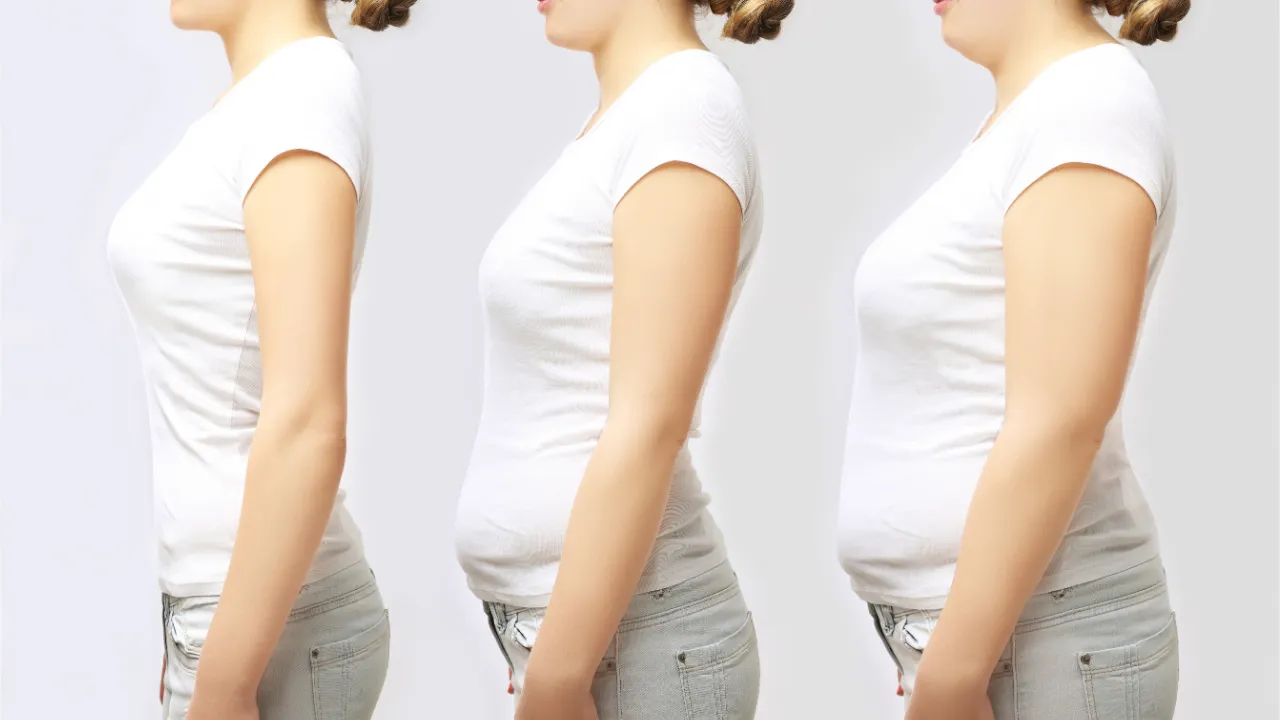
Can Stress Really Stop Weight Loss? Yes, stress can significantly affect hunger and slow down weight loss. When stress levels are high, the body releases hormones that increase appetite, cravings, and fat storage. Stress also reduces energy, disrupts sleep, and makes consistency harder — all of which impact weight loss […]
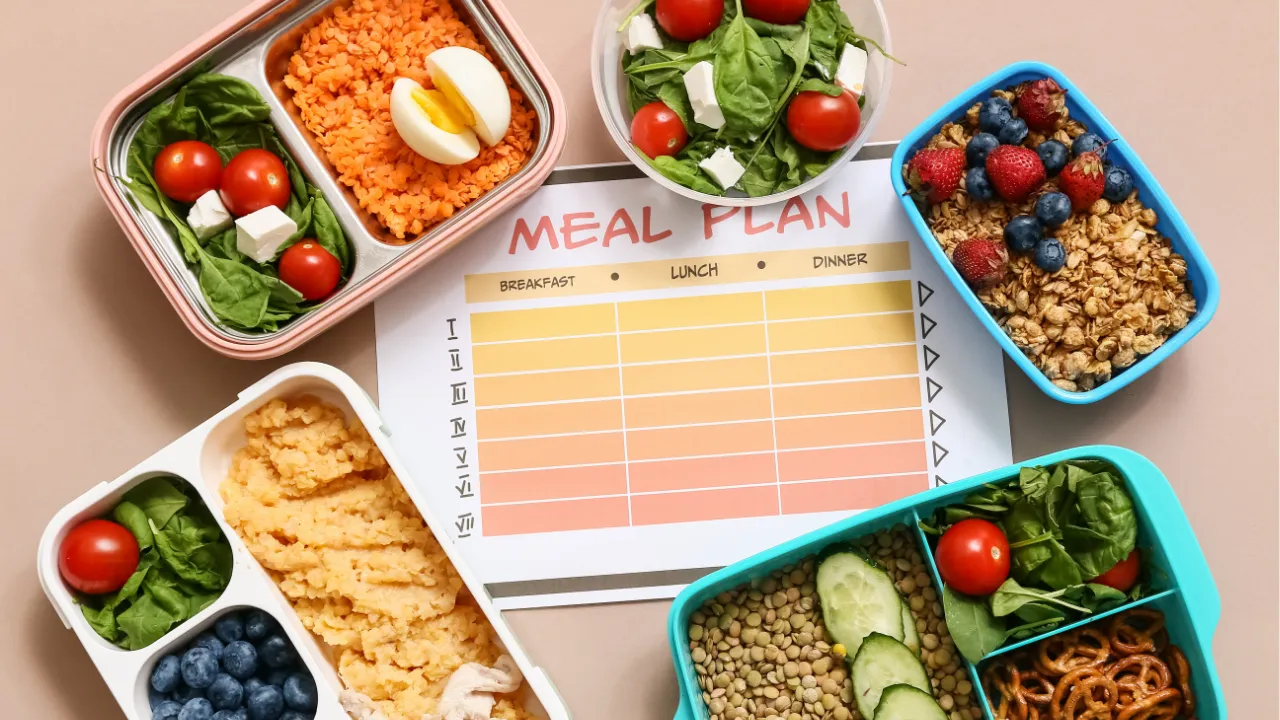
Do Meal Plans Help With Weight Loss? Yes, a simple meal plan can make weight loss much easier, especially when you feel overwhelmed or unsure what to eat. A 7-day weight loss meal plan works best when it focuses on balanced meals, appetite control, and consistency rather than extreme calorie […]
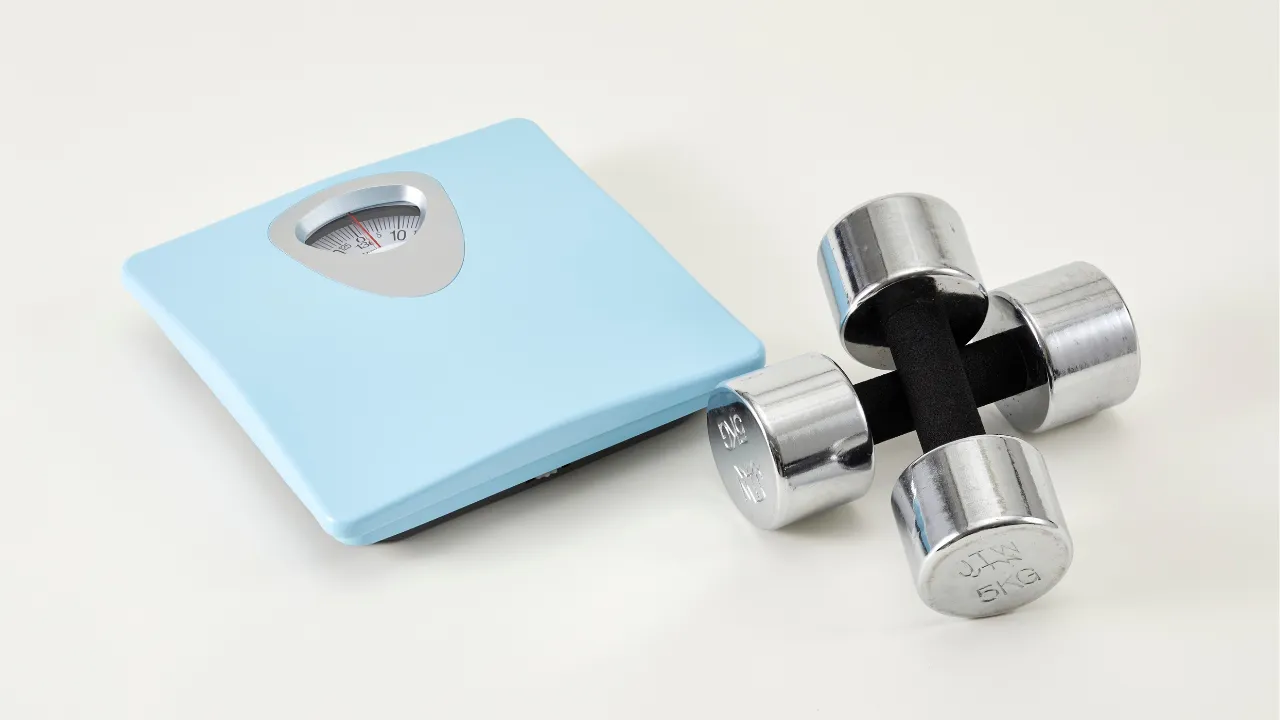
What Is a Safe Amount of Weight to Lose Per Week? A safe and realistic amount of weight to lose in a week is usually between 0.5 to 1 kilogram for most people. This range allows your body to lose fat while maintaining energy, muscle, and overall health. Losing weight faster than […]
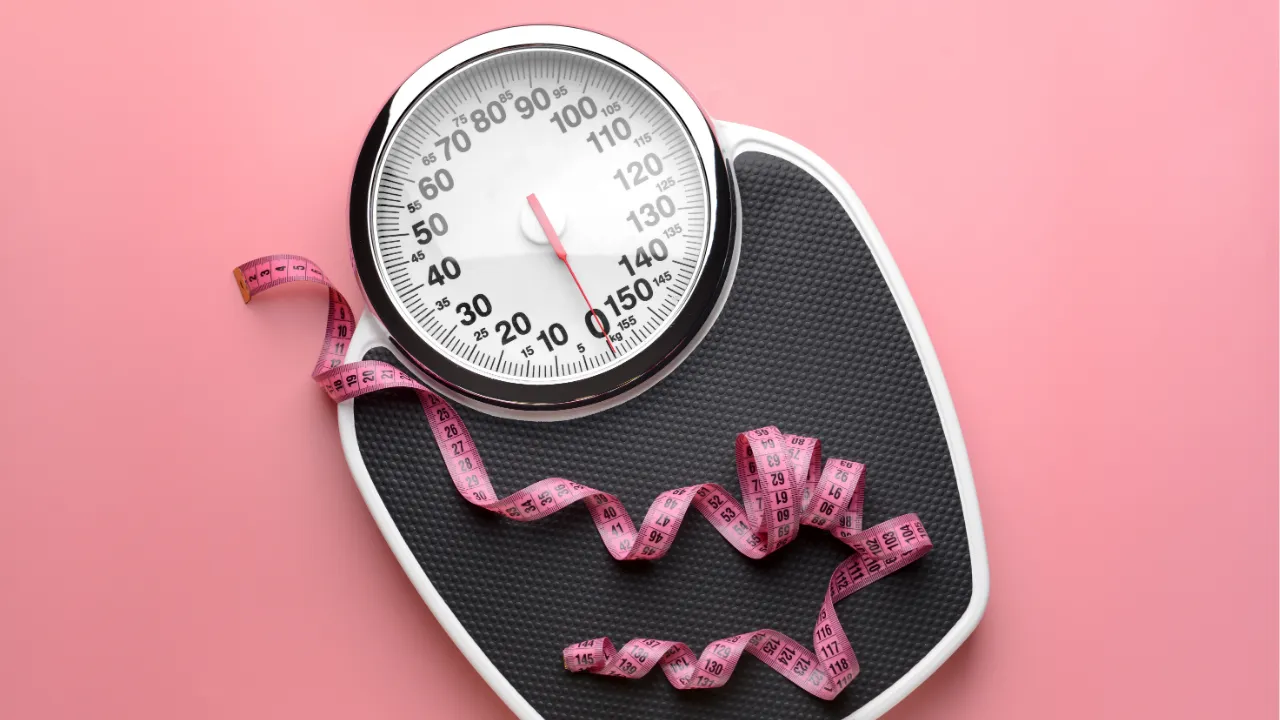
How Do You Break a Weight Loss Plateau? You can break a weight loss plateau naturally by staying consistent, supporting your body properly, and making small adjustments rather than extreme changes. Most plateaus happen because the body has adapted to your routine or because water retention, stress, or under eating […]
Why Does Fast Weight Loss Usually Fail? Fast weight loss rarely lasts because it relies on extreme restriction rather than sustainable habits. When weight is lost too quickly, most of the loss comes from water and muscle instead of fat. This causes increased hunger, low energy, slowed metabolism, and strong […]
Is Slow Weight Loss a Bad Sign? No, losing weight slowly is not a bad sign. In fact, slow weight loss is often healthier and more sustainable than rapid weight loss. Many people lose weight slowly because their bodies are adapting, water retention fluctuates, or habits are improving before visible […]
Why Am I Eating Less but Not Losing Weight? If you are eating less but not losing weight, it does not mean your efforts are wasted. In many cases, eating too little or eating inconsistently can slow progress rather than speed it up. When the body feels under-fuelled, it may […]