

Managing hunger without overeating is about balance, not suppression.
Hunger is a normal signal, but when it becomes intense or unpredictable, it can lead to overeating.
Learning how to respond to hunger appropriately helps support consistency and long-term progress.
Why hunger can lead to overeating
1. Hunger becomes too intense
Waiting too long to eat increases hunger, making portion control difficult.
2. Blood sugar drops
Irregular meals or unbalanced food choices can cause hunger to spike quickly.
3. Emotional stress amplifies hunger
Stress hormones can make hunger feel stronger than it actually is.
4. Fear of hunger causes urgency
When hunger is feared, eating can feel rushed or uncontrolled.
5. Restriction increases rebound eating
Over-restricting earlier often leads to overeating later.
Natural ways to manage hunger effectively
1. Eat regularly
Consistent meal timing prevents hunger from becoming overwhelming.
2. Balance meals properly
Protein, fibre, and healthy fats slow digestion and improve fullness.
3. Eat mindfully
Slowing down allows fullness signals to register before overeating occurs.
4. Remove urgency around food
Trusting that food will be available reduces the need to overeat.
These strategies work together to stabilise appetite.
A supportive option for appetite balance
When hunger feels unpredictable, gentle daily support can help regulate appetite and reduce overeating.
DailyYou Shrink AM is designed to be taken in the morning, when appetite patterns for the day are being set. Many people use it to support appetite control while managing hunger effectively.
- Taken in the morning as part of a daily routine
- Supports steadier appetite throughout the day
- Helpful when hunger leads to overeating
- Easy to stay consistent alongside structured meals
You can check the product below.
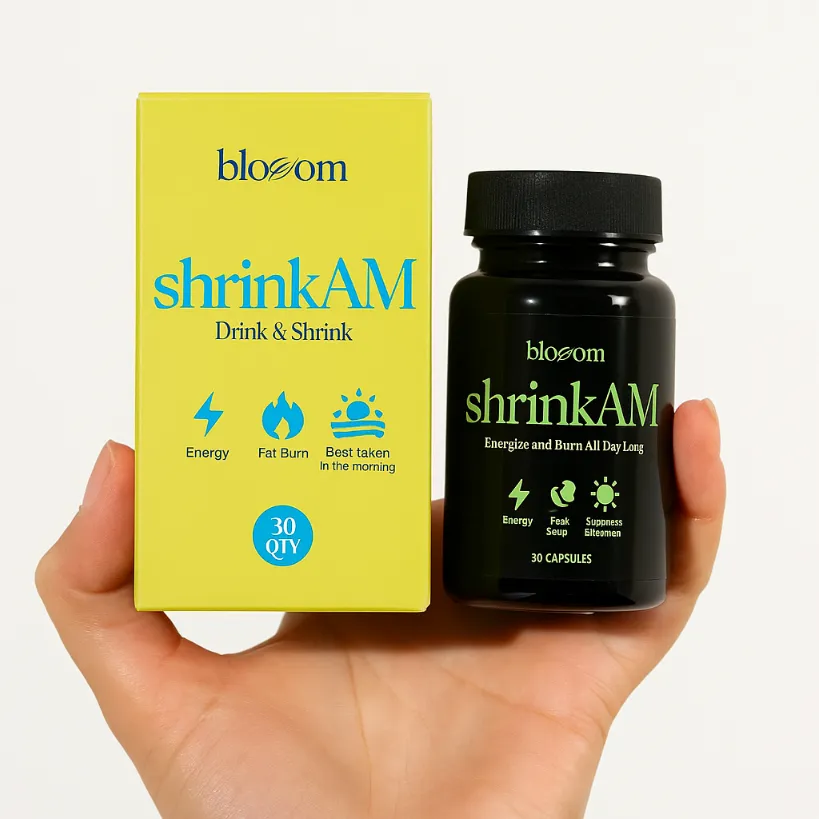
Shrink AM – Morning Appetite Control & Fat Burner
Start your day strong with Shrink AM — a natural morning supplement that curbs cravings, boosts energy, and helps burn fat.
Frequently asked questions
1. Should I eat as soon as I feel hungry?
Not always immediately, but long delays can increase overeating risk.
2. Can hunger be mistaken for cravings?
Yes. Hunger and cravings can feel similar, especially under stress.
3. Does drinking water reduce hunger?
Hydration helps, but it shouldn’t replace eating when hunger is real.
4. Can regular meals reduce overeating?
Yes. Consistency is one of the strongest appetite regulators.
5. How long does it take to stabilise hunger?
Many people notice improvement within one to two weeks of consistent eating.
Working with hunger, not against it
Hunger doesn’t need to be controlled — it needs to be understood. When meals are balanced and routines are consistent, hunger becomes predictable, manageable, and far less likely to lead to overeating.
Leave a Reply