
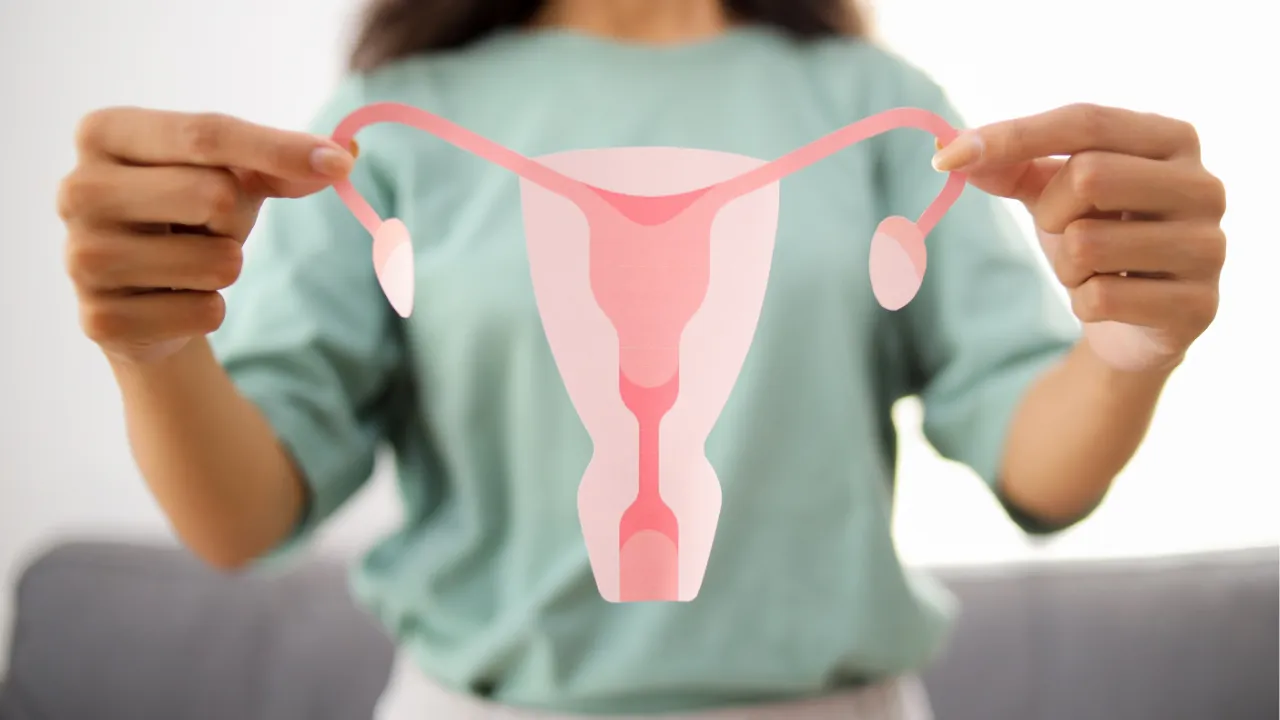
Can Perimenopause Cause Bloating?
Yes, perimenopause can cause bloating. During perimenopause, fluctuating estrogen and progesterone levels affect fluid balance, gut motility, digestion, and gut sensitivity.
These shifts often lead to abdominal fullness, pressure, and bloating — even when eating habits stay the same.
Perimenopausal bloating is hormone‑driven and very common.
At a Glance: Perimenopause and Bloating
Perimenopause can cause bloating by:
- Creating hormonal fluctuations
- Increasing water retention
- Slowing gut motility at times
- Increasing constipation risk
- Increasing gut sensitivity
- Affecting sleep, stress, and appetite
Hormone instability — not food — is often the main driver.
What Happens to Hormones in Perimenopause
During perimenopause:
- Estrogen rises and falls unpredictably
- Progesterone often declines
- Fluid regulation becomes inconsistent
- Digestion responds unevenly
These shifts make bloating more frequent and less predictable.
9 Ways Perimenopause Can Lead to Bloating
1. Hormonal Fluctuations
Rapid hormone changes disrupt digestion.
2. Water Retention
Estrogen changes increase fluid storage.
3. Slower Gut Motility
Progesterone shifts slow bowel movement.
4. Increased Constipation
Gas becomes trapped more easily.
5. Increased Gut Sensitivity
Normal pressure feels more uncomfortable.
6. Sleep Disruption
Poor sleep worsens digestion and bloating.
7. Stress Interaction
Stress amplifies hormone‑related symptoms.
8. Appetite and Craving Changes
Irregular meals increase digestive load.
9. Reduced Digestive Resilience
The gut becomes more reactive overall.
Signs Your Bloating May Be Perimenopause‑Related
Perimenopause‑related bloating often looks like:
- New or worsening bloating in midlife
- Bloating that feels unpredictable
- Puffiness without food changes
- Bloating worse with poor sleep or stress
- Symptoms fluctuating month to month
Timing and life stage are key clues.
Why Perimenopause Bloating Is Often Misunderstood
It’s often mistaken for:
- Food intolerance
- Weight gain alone
- Poor digestion
- “Doing something wrong”
Hormonal transitions are frequently overlooked.
What Not to Do When Perimenopause Causes Bloating
Avoid these reactions:
- Cutting food aggressively
- Skipping meals
- Over‑restricting carbohydrates
- Blaming willpower
- Panicking about body changes
Support works better than control.
How to Reduce Bloating During Perimenopause
To support digestion:
- Eat regular, balanced meals
- Stay well hydrated
- Reduce excess sodium
- Prioritise gentle daily movement
- Support sleep routines
- Manage stress consistently
Stability helps buffer hormone swings.
Support That Can Help With Perimenopause‑Related Bloating
Some people benefit from additional support.
Helpful support may include:
- Digestive support for comfort
- Gut support to reduce sensitivity
- Evening support to improve sleep and stress response
Support works best alongside consistent routines.
Common Questions About Perimenopause and Bloating
1. Is bloating a normal part of perimenopause?
Yes — very common.
2. Why does bloating feel unpredictable now?
Hormones fluctuate unevenly during this stage.
3. Does bloating mean menopause is near?
It can be one of several transition signs.
Final Thoughts
Perimenopause brings hormonal fluctuations that affect digestion, fluid balance, and gut sensitivity — making bloating more frequent and less predictable.
Supporting regular meals, sleep, movement, and stress management helps digestion stay steadier during this transition.
Hormone transitions change digestion.
Leave a Reply