Can Constipation Cause Bloating?
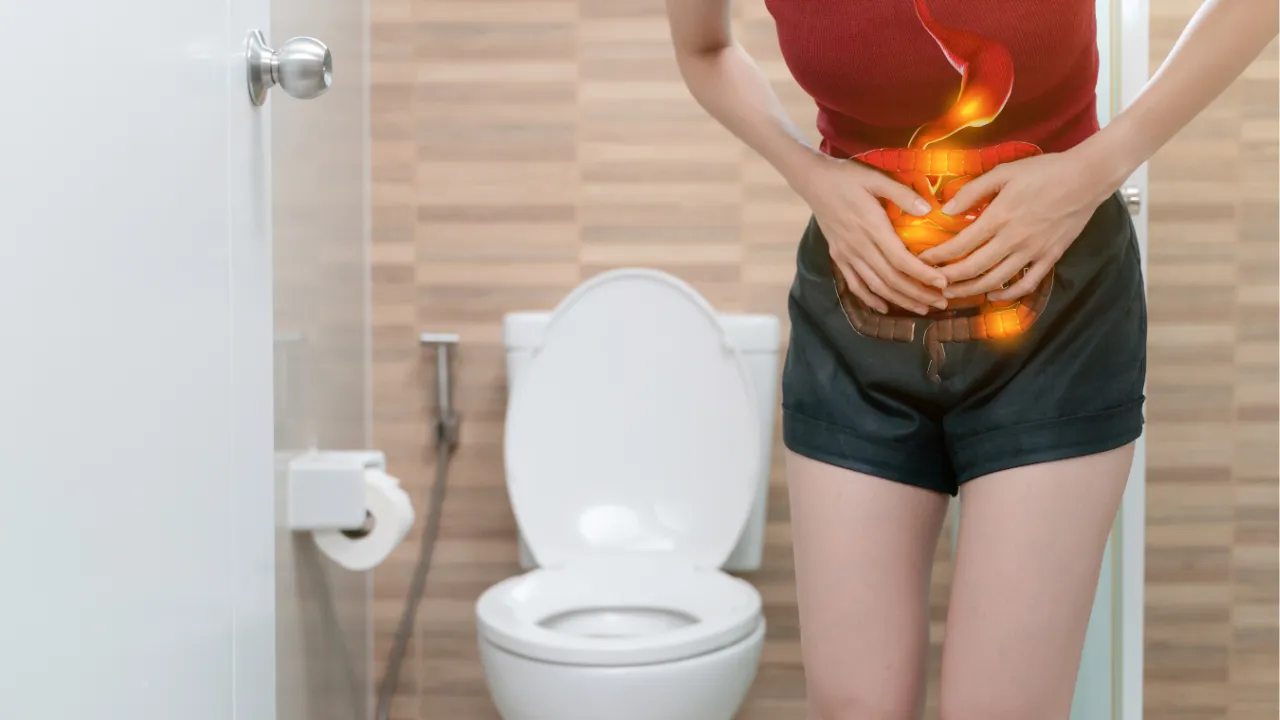
Yes, constipation is a very common cause of bloating. When stool moves too slowly through the digestive system, gas and waste build up, increasing pressure in the abdomen.
This leads to fullness, tightness, and visible bloating — even if food intake hasn’t changed.
Constipation‑related bloating is about movement, not overeating.
At a Glance: Constipation and Bloating
Constipation can cause bloating because it:
- Traps gas in the intestines
- Slows digestive movement
- Increases abdominal pressure
- Disrupts gut rhythm
- Makes meals feel heavier
Regular bowel movement is key to reducing bloating.
What Counts as Constipation?
Constipation isn’t just about frequency. It can include:
- Fewer than regular bowel movements
- Hard or difficult‑to‑pass stools
- Feeling incomplete after going
- Straining
- Bloating or pressure
You can be “going” and still be constipated.
How Constipation Leads to Bloating
When stool builds up:
- Gas gets trapped behind it
- The intestines stretch
- Digestion slows further
- Pressure increases in the abdomen
- Bloating worsens after meals
This creates a cycle that reinforces itself.
8 Common Causes of Constipation‑Related Bloating
1. Low Fluid Intake
Dehydration hardens stool and slows movement.
2. Inconsistent Eating
Irregular meals disrupt gut rhythm.
3. Low Fibre Intake
Too little fibre reduces stool bulk.
4. Too Much Fibre Too Fast
Excess fibre without hydration causes backup.
5. Stress
Stress slows gut movement.
6. Ignoring Urges
Delaying bowel movements worsens constipation.
7. Low Physical Activity
Movement helps stimulate digestion.
8. Poor Sleep
Sleep disruption affects gut function.
Signs Your Bloating Is Constipation‑Related
Constipation bloating often looks like:
- Persistent bloating throughout the day
- Feeling heavy or backed up
- Bloating that improves after bowel movements
- Less bloating on days with regular digestion
- Pressure rather than sharp discomfort
Relief after bowel movements is a strong clue.
Why Constipation Is Often Missed
Constipation is often overlooked because:
- People expect daily bowel movements only
- Symptoms feel “normal” over time
- Focus stays on food instead of digestion
- Bloating is blamed on weight gain
Digestive rhythm matters more than people realise.
What Not to Do When Constipation Causes Bloating
Avoid these common mistakes:
- Skipping meals
- Cutting food drastically
- Overusing laxatives
- Eliminating fibre completely
- Ignoring hydration
These responses usually worsen the problem.
How to Improve Constipation and Reduce Bloating
To support gut movement:
- Drink water consistently
- Eat regular meals
- Increase fibre gradually
- Include gentle daily movement
- Respond to bowel urges
- Reduce stress where possible
Consistency helps the gut regain rhythm.
Support That Can Help With Constipation‑Related Bloating
Some people benefit from digestive support.
Helpful support may include:
- Digestive support to improve gut movement
- Gut support to reduce gas
- Evening support to reduce stress and tension
Support works best with routine and hydration.
Common Questions About Constipation and Bloating
1. Can constipation cause daily bloating?
Yes. It’s one of the most common causes.
2. Do I need laxatives to fix constipation?
Not usually — habits often help more.
3. How long does it take to improve?
Many people notice changes within days to weeks.
Final Thoughts
Constipation and bloating are closely linked. When digestion slows, pressure builds — and bloating follows.
Supporting regular gut movement through hydration, routine, and gentle consistency is often the fastest path to relief.
Movement creates space. Space reduces bloating.
Leave a Reply