
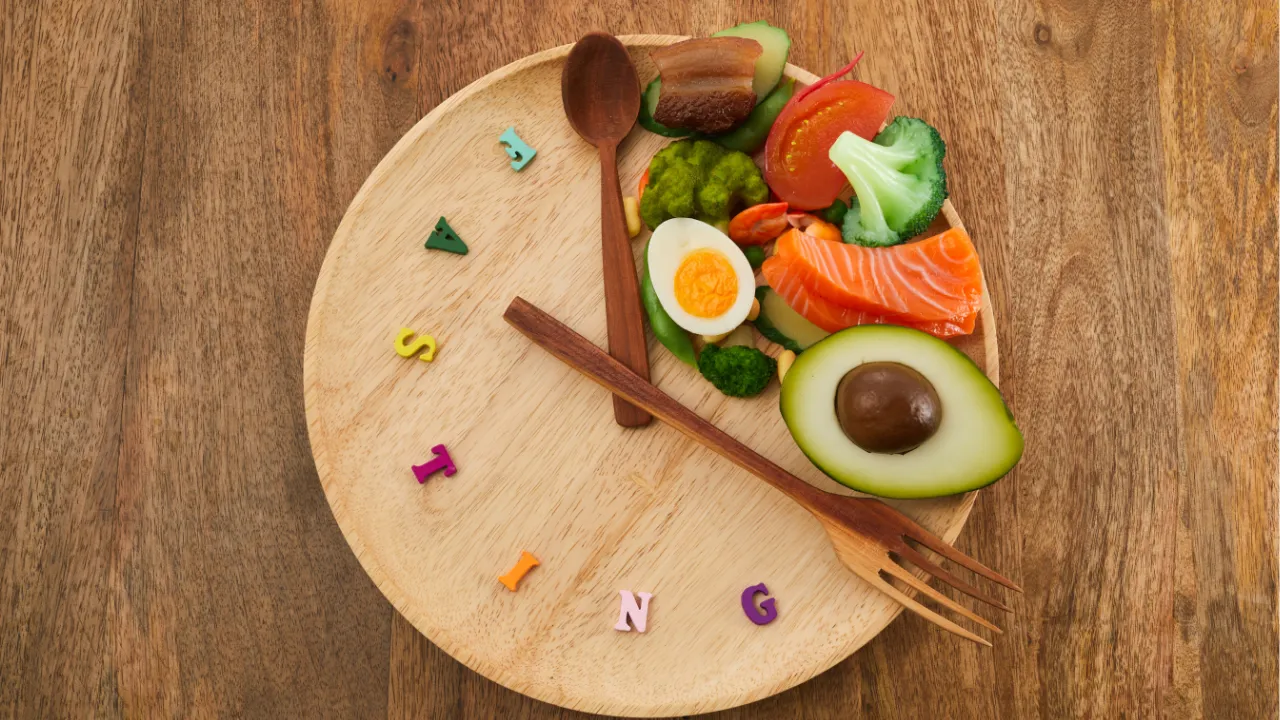
Skipping meals often makes hunger worse because it disrupts blood sugar balance and increases hunger hormones. When the body goes too long without food, it responds by amplifying appetite signals to protect itself. This can lead to intense hunger later in the day, even if you eat a large meal […]
Appetite & Cravings
Struggling with constant hunger or emotional eating? This category is designed to help you regain control. Learn how to reduce sugar cravings, control late-night snacking, and naturally suppress appetite with food, habits, or supplements. These articles are crafted to guide you step-by-step toward building a healthier relationship with food.

Feeling hungry again shortly after eating usually means your meal didn’t provide lasting satiety. This often happens when blood sugar rises and falls too quickly or when meals lack enough protein, fibre, or healthy fats to slow digestion. Even if portion sizes are large, hunger can return fast when meals […]

Reducing appetite naturally is about supporting blood sugar, digestion, and hunger hormones rather than relying on restriction. When meals are balanced and the body feels consistently fuelled, appetite becomes calmer and easier to manage. Starving or extreme dieting often increases hunger instead of reducing it. Why appetite feels hard to […]

Feeling hungry all the time, even after you’ve eaten, usually comes down to two main issues: unstable blood sugar or digestion and appetite hormones that aren’t sending a clear “I’m full” signal to your brain. This means you may be eating enough food, but not the right balance of nutrients, […]

Constant hunger in women is most often caused by hormonal fluctuations combined with blood sugar instability and increased stress demands on the body. Changes in hormones such as oestrogen, progesterone, and cortisol affect how hunger and fullness signals are sent to the brain, while busy lifestyles, irregular meals, and poor […]

Feeling hungry at night is usually a sign that your body is responding to earlier imbalances in blood sugar, stress levels, or daily routines rather than true physical hunger. When meals are too light during the day, stress remains high into the evening, or sleep signals are disrupted, the body […]

Feeling hungry all the time while dieting is usually the result of undereating, unstable blood sugar, and the body perceiving restriction as a threat. When calories are cut too aggressively or food choices lack enough protein and fibre, the body increases hunger hormones to protect itself. This makes appetite feel […]

Hunger and cravings feel similar, but they come from very different signals in the body. Hunger is a physical need for energy, while cravings are often driven by emotions, habits, stress, or blood sugar fluctuations. When these signals are confused, it becomes easy to eat when the body isn’t truly […]
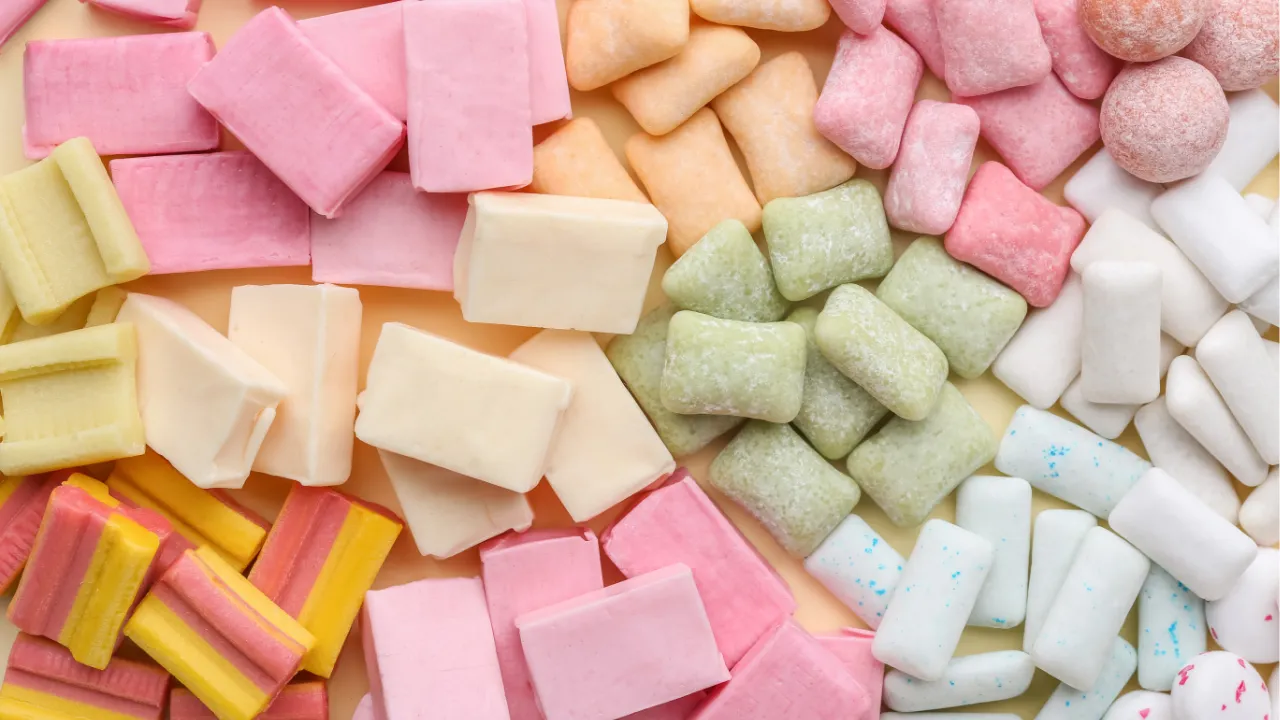
Can Chewing Gum Cause Bloating? Yes, chewing gum can cause bloating. Chewing gum increases air swallowing and stimulates digestive activity without food present. This can lead to gas buildup, abdominal pressure, and bloating — especially when gum is used frequently. Bloating from gum is usually about air, not food. At a […]
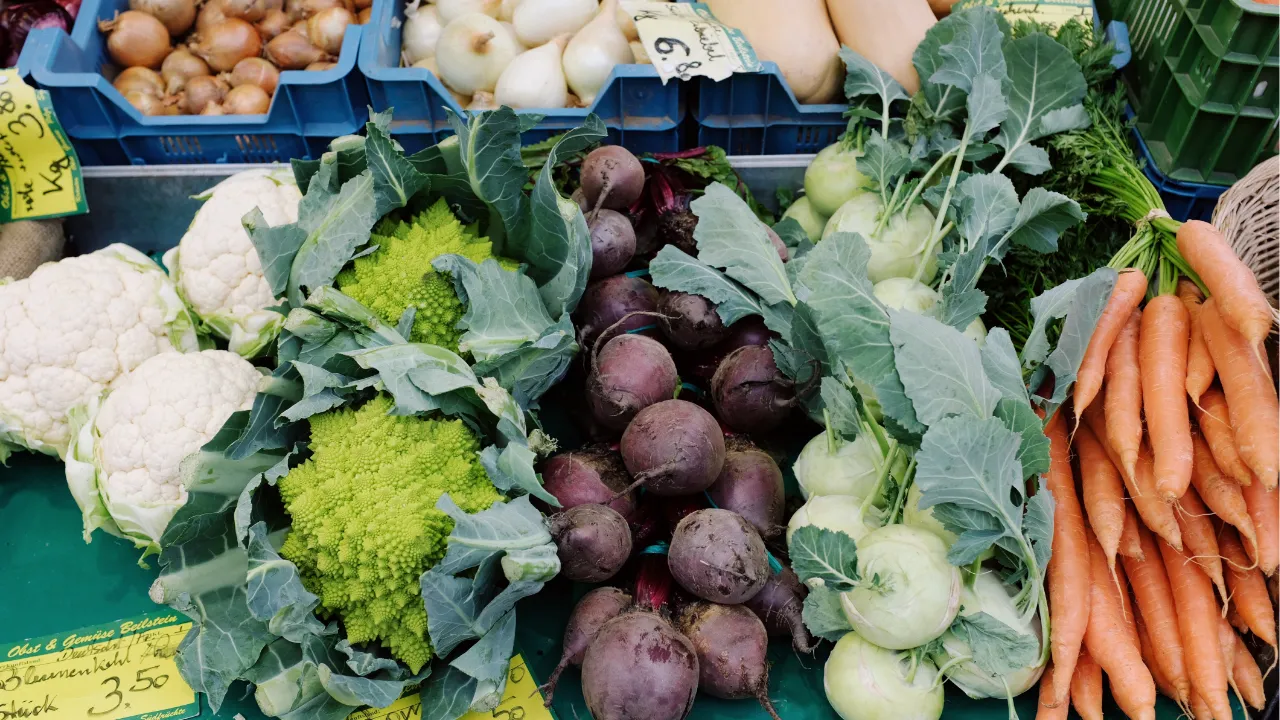
Can Food Combining Cause Bloating? Food combining itself does not cause bloating. However, believing food combining myths can create confusion, unnecessary restriction, stress around meals, and disrupted eating patterns — all of which can worsen bloating. Bloating is a digestion issue, not a food‑pairing rule problem. At a Glance: Food Combining and Bloating Food combining myths […]