

Stress makes hunger feel uncontrollable because it disrupts appetite hormones, blood sugar regulation, and emotional coping systems.
When stress is high, the body prioritises survival and comfort, making hunger signals louder and harder to manage—even when you’ve eaten enough.
How stress amplifies hunger
1. Stress hormones increase appetite
Elevated cortisol raises hunger and increases cravings for quick, comforting foods.
2. Blood sugar becomes unstable
Stress interferes with glucose regulation, leading to sudden hunger and energy crashes.
3. Emotional coping shifts to food
Food temporarily calms the nervous system, reinforcing stress-related eating patterns.
4. Decision-making becomes harder
Mental fatigue reduces impulse control, making hunger feel urgent and overwhelming.
5. Sleep disruption worsens appetite
Stress often affects sleep, which further amplifies hunger and cravings.
Natural ways to calm stress-related hunger
1. Eat regularly and adequately
Consistent meals help stabilise blood sugar during stressful periods.
2. Reduce additional food restriction
Restriction adds stress to the body and often worsens hunger.
3. Build short stress-release habits
Breathing exercises, brief walks, or stretching help calm appetite signals.
4. Prioritise recovery and rest
Lowering overall stress improves appetite regulation more effectively than control.
These steps help hunger settle without force.
A supportive option during high-stress periods
When stress makes hunger feel intense, gentle daily support can help stabilise appetite and reduce overwhelm.
DailyYou Shrink AM is designed to be taken in the morning, when appetite patterns for the day are being set. Many people use it to support appetite control during stressful phases.
- Taken in the morning as part of a daily routine
- Supports steadier appetite under stress
- Helpful when hunger feels overwhelming
- Easy to stay consistent alongside stress-management habits
You can check the product below.
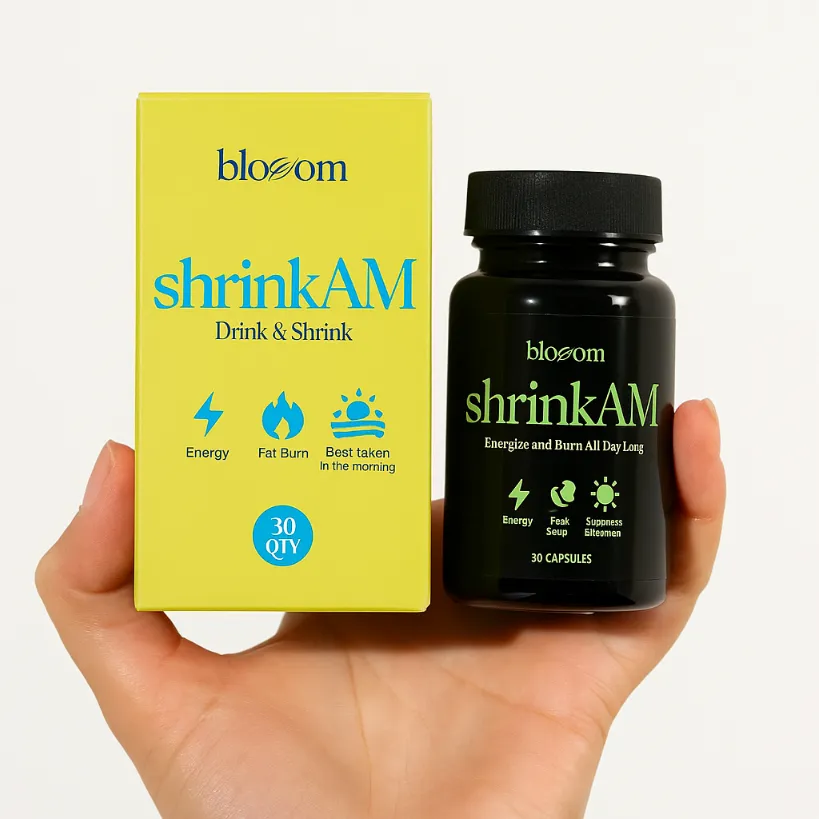
Shrink AM – Morning Appetite Control & Fat Burner
Start your day strong with Shrink AM — a natural morning supplement that curbs cravings, boosts energy, and helps burn fat.
Frequently asked questions
1. Can stress really make me feel hungry all the time?
Yes. Stress hormones can significantly increase appetite signals.
2. Is stress hunger the same as emotional eating?
They overlap, but stress hunger also has strong hormonal drivers.
3. Should I eat more when stressed?
Balanced meals often help regulate stress-driven hunger.
4. Can relaxation reduce hunger?
Yes. Calming the nervous system often reduces appetite intensity.
5. How long does stress-related hunger last?
Hunger often settles as stress levels improve.
Supporting hunger during stress
Stress-driven hunger isn’t a lack of control — it’s a biological response. When stress is supported with nourishment, rest, and calm routines, appetite becomes more manageable and far less overwhelming.
Leave a Reply