Mood has a direct influence on food cravings because emotions affect brain chemistry, stress hormones, and appetite regulation.
When mood is low, anxious, or overwhelmed, the brain often seeks foods that provide quick comfort or relief.
This is why cravings can feel stronger during emotional highs and lows, even when physical hunger isn’t present.
How mood influences cravings
1. Low mood increases comfort-seeking
When you feel low or emotionally drained, the brain looks for ways to feel better quickly. Certain foods temporarily boost feel-good brain chemicals, making them especially appealing.
2. Anxiety heightens craving intensity
Anxious moods activate stress responses that increase appetite and cravings, often for familiar or soothing foods.
3. Emotional fatigue reduces restraint
Strong emotions use mental energy. When emotional resilience is low, it becomes harder to pause and assess whether cravings are physical or emotional.
4. Mood affects blood sugar regulation
Emotional stress can disrupt blood sugar balance, increasing the likelihood of cravings shortly after eating.
5. Habit links mood to food
Over time, the brain can associate specific moods with eating. Feeling bored, lonely, or stressed may automatically trigger food cravings.
Natural ways to manage mood-related cravings
1. Eat consistently and adequately
Regular, balanced meals help stabilise blood sugar and reduce mood-driven cravings.
2. Notice emotional patterns
Paying attention to when cravings appear can help identify mood triggers and reduce automatic eating.
3. Build non-food mood support
Activities like movement, music, journaling, or connecting with others can improve mood without relying on food.
4. Prioritise rest and recovery
Sleep and downtime improve emotional regulation, making cravings easier to manage.
These approaches support both mood and appetite together.
A supportive option for mood-related cravings in the evening
Mood-driven cravings often intensify at night, when emotions surface and energy is low. Gentle evening support can help calm appetite and support emotional balance.
DailyYou Shrink PM is designed to be taken in the evening, when mood-related cravings and emotional eating urges often appear. Many people use it to support appetite balance and calmer evenings.
- Taken in the evening as part of a wind-down routine
- Supports appetite balance during emotional shifts
- Helpful for cravings linked to mood changes
- Easy to stay consistent with before bedtime
You can check the product below.
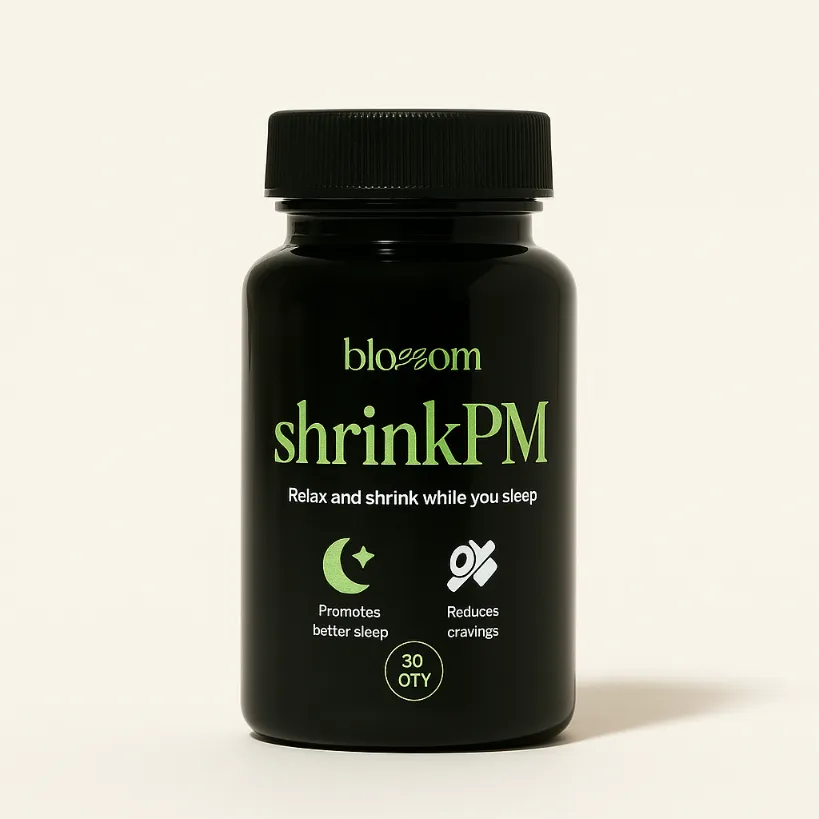
Shrink PM – Nighttime Appetite Control & Relaxation Support
Calm your cravings and unwind with Shrink PM — your gentle evening support for restful sleep and healthy weight management.
80 in stock
Frequently asked questions
1. Can mood alone trigger food cravings?
Yes. Emotional states can drive cravings even in the absence of physical hunger.
2. Why do cravings feel stronger when I’m feeling low?
Low mood reduces feel-good brain chemicals, making food a quick way to seek relief.
3. Are mood-related cravings a form of emotional eating?
They often overlap, but mood-related cravings can occur without conscious emotional distress.
4. Can improving mood reduce cravings?
Yes. Supporting emotional wellbeing often leads to calmer appetite signals.
5. How long does it take to notice changes?
Many people notice improvement within one to two weeks of consistent mood and routine support.
Supporting both mood and appetite
Cravings linked to mood aren’t a personal failure. They’re a signal that emotional support is needed. When mood is cared for alongside nutrition, cravings lose their intensity and eating becomes more balanced over time.
Leave a Reply