
Dieting can make you hungrier because restriction signals the body to protect itself. When food intake drops too low or becomes too rigid, hunger hormones increase, fullness signals weaken, and the brain becomes more focused on food.
This makes appetite feel stronger and harder to control, even when weight loss is the goal.
How dieting increases hunger
1. Restriction raises hunger hormones
When the body senses reduced energy intake, ghrelin increases to encourage eating. This response is biological, not a lack of discipline.
2. Fullness signals become less effective
Dieting often lowers leptin, the hormone that signals satiety. This makes it harder to feel satisfied after meals.
3. Blood sugar becomes unstable
Very low-calorie or unbalanced diets can cause blood sugar spikes and crashes, triggering frequent hunger.
4. Mental focus on food increases
Restrictive rules make food feel scarce. This increases preoccupation with eating and intensifies hunger and cravings.
5. Energy conservation increases appetite
As the body adapts to dieting, it becomes more efficient at conserving energy, which often comes with increased hunger.
Natural ways to reduce hunger while dieting
1. Avoid extreme calorie restriction
Sustainable calorie reduction supports appetite regulation far better than aggressive dieting.
2. Prioritise protein and fibre
Protein and fibre slow digestion and improve satiety, helping hunger feel more manageable.
3. Eat consistently throughout the day
Skipping meals increases hunger later. Regular meals support steadier appetite signals.
4. Build flexibility into your approach
Allowing a variety of foods reduces feelings of deprivation and helps control hunger.
These strategies support dieting without triggering constant hunger.
A supportive option for appetite balance while dieting
Managing hunger is one of the biggest challenges during dieting. Gentle daytime support can help reduce excessive appetite and improve consistency.
DailyYou Shrink AM is designed to be taken in the morning, when appetite patterns for the day are being set. Many people use it to support appetite control while following balanced dieting approaches.
- Taken in the morning as part of a daily routine
- Supports steadier appetite during dieting
- Helpful for people struggling with constant hunger
- Easy to stay consistent alongside meals
You can check the product below.
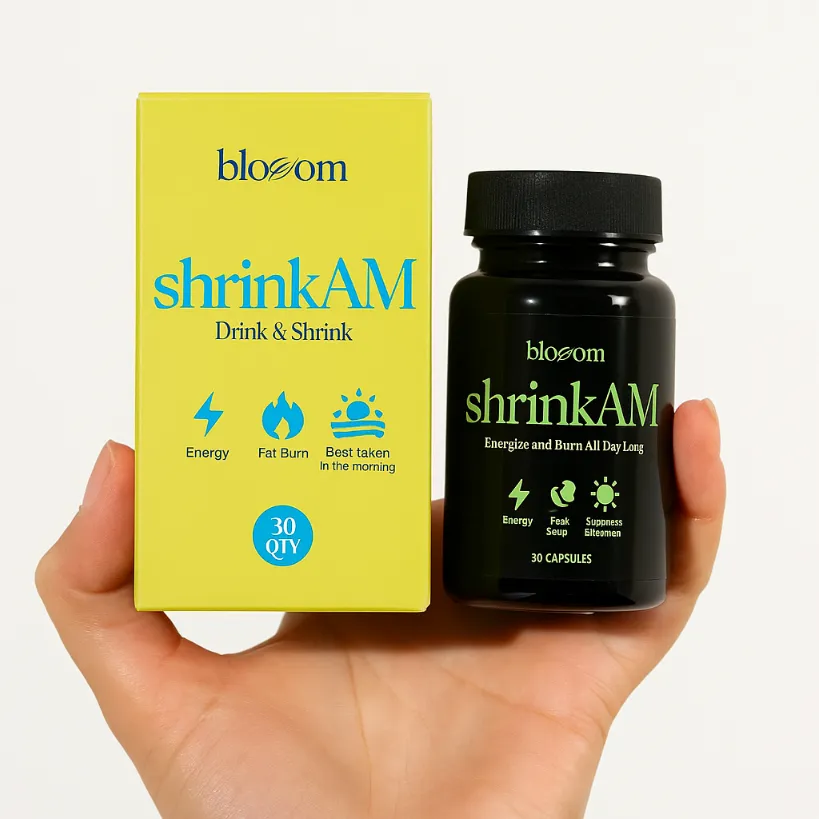
Shrink AM – Morning Appetite Control & Fat Burner
Start your day strong with Shrink AM — a natural morning supplement that curbs cravings, boosts energy, and helps burn fat.
Frequently asked questions
1. Is constant hunger normal when dieting?
It’s common with restrictive diets, but it doesn’t have to be constant with balanced approaches.
2. Does eating more slow weight loss?
Eating enough to support the body often improves consistency and reduces overeating, supporting long-term results.
3. Can hunger mean my diet is too strict?
Yes. Persistent hunger is often a sign that restriction is too aggressive.
4. How long does it take for hunger to settle?
Many people notice improvement within one to two weeks after adjusting meal balance.
5. Is hunger during dieting unavoidable?
Some hunger is normal, but excessive or constant hunger usually signals imbalance.
A more sustainable path forward
Hunger during dieting isn’t a failure of willpower. It’s the body responding to restriction.
When dieting supports nourishment, balance, and consistency, appetite becomes calmer and progress feels far more sustainable.
Leave a Reply