

Emotional stress leads to overeating because it disrupts appetite hormones, increases the need for comfort, and reduces the body’s ability to regulate hunger accurately.
When stress is ongoing, food can become a quick way to cope, even when the body isn’t physically hungry.
How emotional stress affects eating behaviour
1. Stress hormones increase appetite
Emotional stress raises cortisol, which can stimulate hunger and increase the urge to eat, particularly energy-dense foods.
2. Comfort-seeking becomes stronger
Food can temporarily calm the nervous system. During stress, the brain often looks for this soothing effect, leading to overeating.
3. Blood sugar becomes unstable
Stress interferes with glucose regulation. Blood sugar fluctuations can increase hunger and make it harder to feel satisfied after meals.
4. Fullness cues are delayed
When the body is stressed, digestion slows. This can delay satiety signals, making it easier to eat past physical hunger.
5. Mental exhaustion weakens awareness
Stress drains mental energy. This reduces awareness of hunger and fullness cues, increasing mindless or emotional eating.
Natural ways to reduce stress-related overeating
1. Eat regularly and consistently
Skipping meals increases vulnerability to stress-driven overeating. Regular meals help stabilise blood sugar and appetite.
2. Slow down during meals
Eating more slowly allows fullness signals to register and reduces the likelihood of overeating during emotional stress.
3. Use non-food stress relief
Short walks, stretching, journaling, or breathing exercises can reduce stress without relying on food for comfort.
4. Support rest and recovery
Adequate sleep and downtime improve emotional resilience and reduce stress-related eating urges.
These habits help separate emotional needs from physical hunger.
A supportive option for managing appetite during stressful periods
Emotional stress can make appetite unpredictable and hard to manage. Gentle daytime support can help reduce overeating driven by stress.
DailyYou Shrink AM is designed to be taken in the morning, when appetite patterns for the day are being set.
Many people use it to support appetite control during emotionally demanding days.
- Taken in the morning as part of a daily routine
- Supports steadier appetite during stress
- Helpful when emotional stress leads to overeating
- Easy to stay consistent alongside daily routines
You can check the product below.
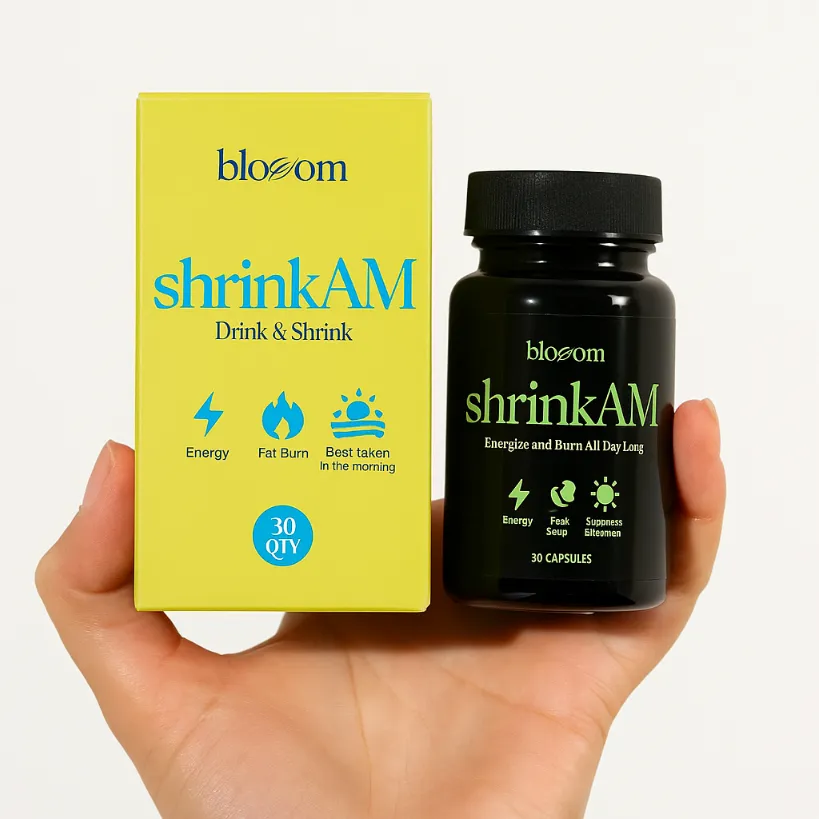
Shrink AM – Morning Appetite Control & Fat Burner
Start your day strong with Shrink AM — a natural morning supplement that curbs cravings, boosts energy, and helps burn fat.
Frequently asked questions
1. Is overeating during stress normal?
Yes. Stress-related overeating is a common biological response, not a lack of willpower.
2. Why do I crave comfort foods when stressed?
Comfort foods activate brain chemicals that temporarily reduce stress and emotional discomfort.
3. Can stress cause weight gain?
Chronic stress can influence appetite and eating patterns, which may affect weight over time.
4. Is emotional eating the same as stress eating?
They overlap, but stress eating is specifically driven by physiological stress responses.
5. How long does it take to reduce stress-related overeating?
Many people notice improvement within one to two weeks of consistent stress and routine support.
Responding to stress with compassion
Overeating during emotional stress isn’t a personal weakness.
It’s the body trying to cope. When stress is addressed alongside nutrition, eating becomes calmer and more intentional over time.
Leave a Reply