

Stress increases hunger because it disrupts the hormones that regulate appetite and signals safety to the body.
When stress levels remain high, cortisol rises, blood sugar becomes less stable, and the brain looks for quick energy or comfort.
This makes hunger feel stronger and more urgent, even when you’ve eaten enough food.
How stress affects appetite
1. Cortisol increases hunger signals
Cortisol is released during stress to help the body cope with perceived threats. When cortisol stays elevated for long periods, it increases appetite and encourages the body to seek fast energy.
2. Blood sugar becomes harder to regulate
Stress affects how the body uses glucose. This can lead to blood sugar spikes followed by drops, which trigger hunger and cravings soon after eating.
3. The body seeks comfort and relief
During stress, food often becomes a source of comfort. This isn’t about lack of control, but rather the brain trying to calm the nervous system.
4. Stress disrupts digestion
When the body is in a stressed state, digestion slows or becomes less efficient. Poor digestion can delay fullness signals, making hunger feel constant.
5. Mental fatigue increases appetite
Stress drains mental energy. When the brain is tired, it often looks for food as a quick way to restore focus and energy.
Natural ways to reduce stress-driven hunger
1. Eat regularly to support blood sugar
Skipping meals during stressful days can intensify hunger later. Eating every 3 to 4 hours helps keep blood sugar stable and reduces cortisol-driven appetite.
2. Include protein at each meal
Protein helps buffer blood sugar changes and supports steadier appetite signals. Even small additions can make meals more satisfying.
3. Create short stress breaks
Brief pauses during the day can significantly reduce stress-related hunger. Deep breathing, stretching, or a short walk for 5 minutes can help reset the nervous system.
4. Wind down before bed
Evening stress often carries into the next day. Gentle evening routines support better sleep and help regulate appetite hormones.
These habits don’t require major lifestyle changes but can have a noticeable impact over time.
A practical option for appetite support during stressful days
Stressful schedules can make it difficult to stay consistent with meals and self-care. Extra daytime support can help reduce unnecessary snacking and appetite spikes.
DailyYou Shrink AM is designed to be taken in the morning, when appetite patterns for the day are being set. Many people use it to support appetite control during high-stress workdays.
- Taken in the morning as part of a daily routine
- Supports steadier appetite during stressful periods
- Helpful for people who experience stress-related hunger
- Easy to stay consistent with on busy days
You can check the product below.
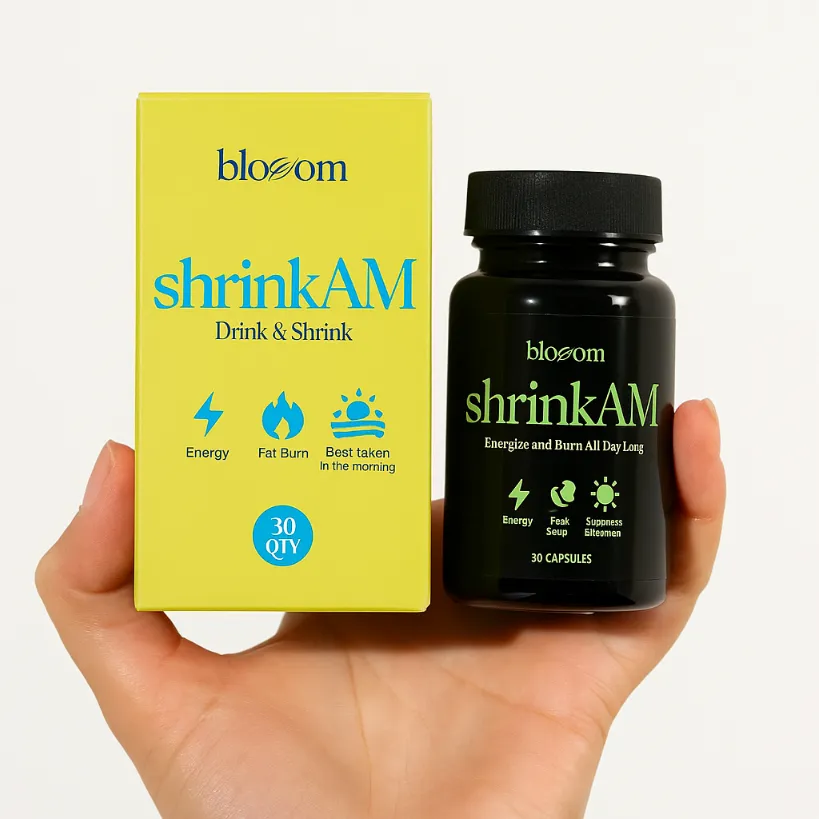
Shrink AM – Morning Appetite Control & Fat Burner
Start your day strong with Shrink AM — a natural morning supplement that curbs cravings, boosts energy, and helps burn fat.
Frequently asked questions
1. Can stress alone make me feel constantly hungry?
Yes. Elevated cortisol can increase appetite even if food intake hasn’t changed.
2. Why do I crave certain foods when stressed?
Stress often increases cravings for high-energy foods because they provide quick comfort and temporary relief.
3. Does chronic stress affect weight?
Long-term stress can influence appetite, fat storage, and eating patterns, which may affect weight over time.
4. Can reducing stress improve hunger control?
Yes. Even small improvements in stress management can lead to calmer appetite signals.
5. How long does it take to notice changes?
Many people notice reduced stress-driven hunger within one to two weeks of consistent stress support and regular meals.
A calmer relationship with food
Stress-related hunger is a natural response, not a personal weakness. When the body feels safer and more supported, appetite becomes easier to regulate.
Addressing stress alongside nutrition creates a more balanced and sustainable approach to eating.
Leave a Reply