What Is Bloating?
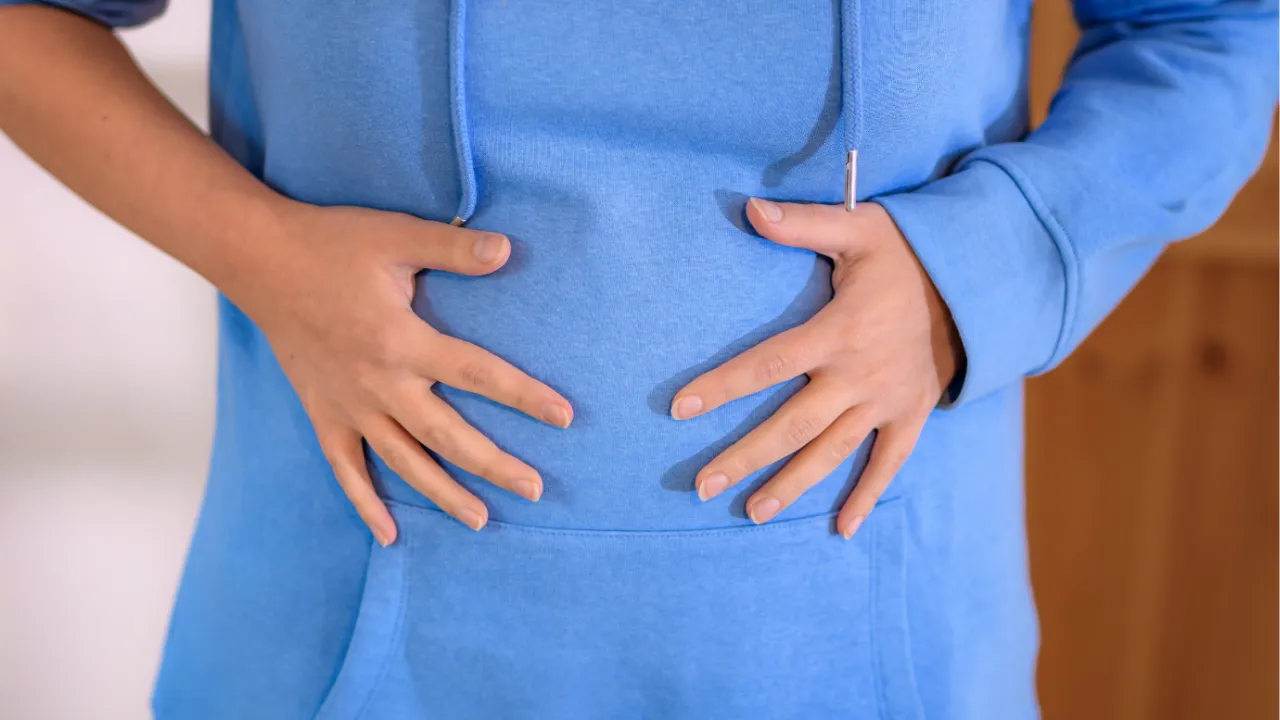
Bloating is a feeling of pressure, fullness, or swelling in the abdomen. It often makes the stomach feel tight, uncomfortable, or visibly larger. Bloating is usually caused by gas, fluid retention, slow digestion, or gut sensitivity — not fat gain.
Bloating can happen occasionally or regularly, and while it’s common, frequent bloating is a sign that something in digestion, eating habits, or lifestyle needs support.
At a Glance: What Bloating Feels Like
Bloating often includes:
- A swollen or distended stomach
- Tightness or pressure in the abdomen
- Feeling overly full after eating
- Discomfort or heaviness
- Clothes feeling tighter by the end of the day
These sensations can come and go quickly or last for hours.
Why Bloating Happens
Bloating happens when the digestive system struggles to move food, gas, or fluids efficiently. This can be influenced by how you eat, what you eat, stress levels, hormones, and gut health.
Bloating is usually functional, not dangerous — but frequent bloating shouldn’t be ignored.
9 Common Causes of Bloating
1. Gas Build‑Up
Gas produced during digestion can stretch the intestines.
2. Slow Digestion
Food sitting too long in the gut increases fermentation.
3. Eating Too Fast
Swallowing air while eating leads to bloating.
4. Certain Foods
Some foods ferment more easily in the gut.
5. Overeating
Large meals stretch the stomach and slow digestion.
6. Stress
Stress disrupts digestive movement and enzyme release.
7. Dehydration
Low fluid intake can slow digestion and cause bloating.
8. Hormonal Changes
Hormones affect fluid balance and gut movement.
9. Gut Imbalance
An imbalance in gut bacteria can increase gas and bloating.
Is Bloating the Same as Weight Gain?
No. Bloating is temporary and related to digestion or fluid shifts. Weight gain involves an increase in body tissue over time. Bloating can make you feel heavier, but it does not mean fat gain.
This confusion is extremely common.
Signs Your Bloating Is Digestive‑Related
Digestive bloating often shows up as:
- A flatter stomach in the morning
- Increased bloating after meals
- Bloating that worsens during stress
- Bloating that comes and goes
- Relief after bowel movements or gas release
These patterns point to digestion, not fat storage.
When Bloating Becomes a Pattern
Occasional bloating is normal. Daily or frequent bloating may indicate:
- Poor digestion
- Irregular eating habits
- High stress levels
- Food sensitivities
- Gut imbalance
Patterns matter more than isolated episodes.
What Not to Assume About Bloating
Avoid these common assumptions:
- That bloating means weight gain
- That you need to cut more food
- That bloating means failure
- That bloating is “all in your head”
Bloating has real physical causes.
Support That Can Help With Bloating
Some people need extra digestive support to reduce bloating.
Helpful support may include:
- Digestive support to improve breakdown of food
- Gut support to reduce gas and imbalance
- Evening support to calm stress‑related bloating
These work best alongside habit changes.
Common Questions About Bloating
1. Is bloating normal?
Occasional bloating is normal. Constant bloating deserves attention.
2. Can healthy eating still cause bloating?
Yes. Even nutritious foods can cause bloating in sensitive guts.
3. Does bloating mean something is wrong?
Not always, but frequent bloating is a signal worth addressing.
Final Thoughts
Bloating is common, uncomfortable, and often misunderstood. It is usually a sign of digestive stress, not fat gain. When you understand why bloating happens, it becomes much easier to manage and reduce.
Awareness is the first step toward relief.
Leave a Reply