
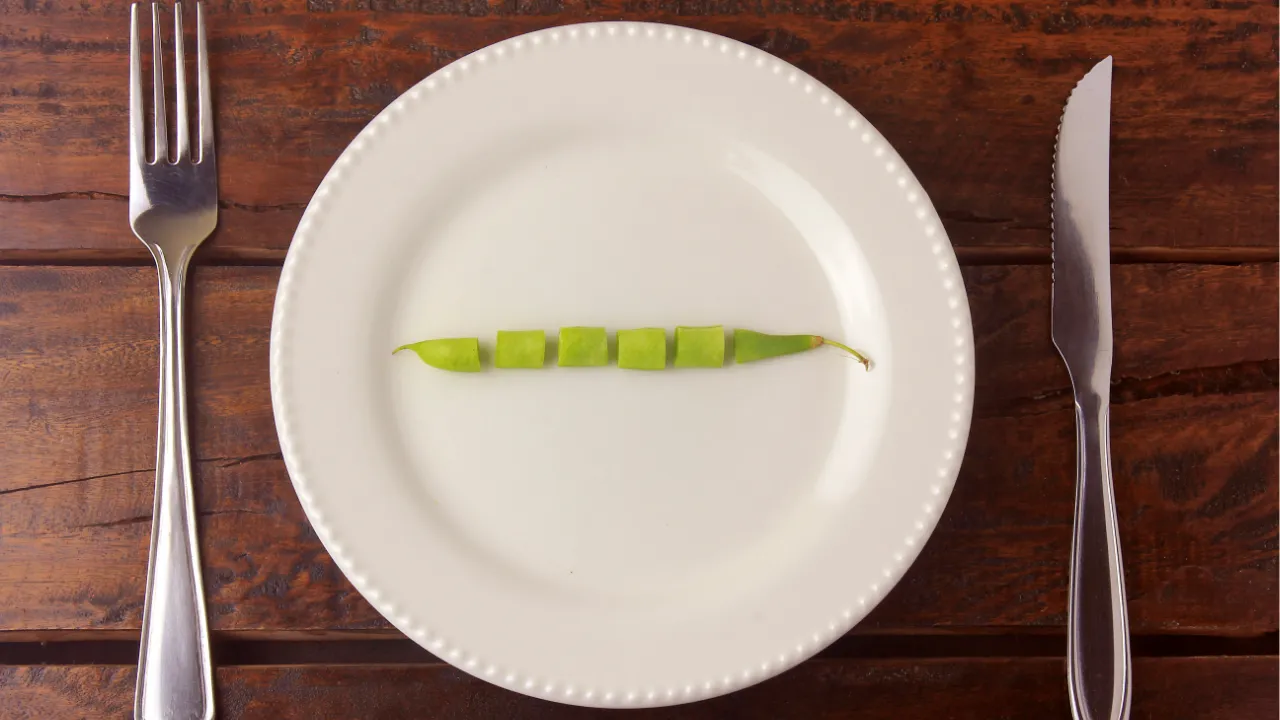
Why Don’t Restrictive Diets Work?
Restrictive diets fail long-term because they fight human biology. When you cut calories too hard, remove entire food groups, or rely on rigid rules, the body responds by increasing hunger, cravings, stress, and food obsession.
This makes the diet harder to maintain and often leads to overeating later.
Most diets don’t fail because people lack discipline. They fail because restriction is unsustainable.
At a Glance: What Makes Restrictive Diets Fail
Restrictive diets usually include:
- Severe calorie cutting
- Eliminating favourite foods
- Strict food rules
- “All-or-nothing” thinking
- Short-term focus
These approaches may work briefly, but they rarely last.
What Happens in the Body During Restriction
When food intake is restricted, the body:
- Increases hunger hormones
- Reduces fullness signals
- Slows energy usage
- Increases cravings
- Becomes more protective of fat
These responses are survival mechanisms, not personal failures.
9 Reasons Restrictive Diets Fail Long-Term
1. Hunger Becomes Unmanageable
Constant hunger makes consistency impossible.
2. Cravings Intensify
Forbidden foods become more tempting.
3. Energy Drops
Low energy leads to burnout and inconsistency.
4. Food Obsession Increases
Thinking about food becomes constant.
5. Social Life Becomes Difficult
Rigid rules make normal life harder.
6. Stress Increases
Stress hormones interfere with fat loss.
7. Binge–Restrict Cycles Develop
Restriction often leads to overeating later.
8. Weight Regain Happens
The body rebounds when restriction ends.
9. Motivation Fades
Unsustainable plans don’t survive real life.
Signs You’re Stuck in a Restrictive Cycle
You may notice:
- Frequent dieting restarts
- Guilt after eating certain foods
- Feeling “on” or “off” a diet
- Overeating after periods of control
- Fear of certain foods
These are signs of restriction, not lack of effort.
What Works Better Than Restriction
Sustainable weight loss focuses on:
- Eating enough consistently
- Including all foods in moderation
- Building regular meal patterns
- Managing stress and sleep
- Creating flexible routines
Progress comes from balance, not extremes.
How to Transition Away From Restrictive Dieting
To move away from restriction:
- Gradually increase consistency
- Remove “good vs bad” food labels
- Eat regular meals
- Focus on habits, not rules
- Be patient with the adjustment phase
This transition often improves hunger and energy quickly.
Support That Can Help During This Shift
Moving away from restriction can feel uncomfortable at first. Supportive tools can help regulate appetite and reduce stress.
Helpful support may include:
- Appetite support to reduce cravings
- Metabolism support to stabilise energy
- Evening support to manage stress
These supports help make the transition smoother.
Common Questions About Restrictive Diets
1. Why do restrictive diets work at first?
Initial weight loss is often water and glycogen loss.
2. Is discipline enough to make a diet work?
No. Biology always wins over willpower.
3. Can flexible eating still lead to weight loss?
Yes and it’s far more sustainable.
Final Thoughts
Restrictive diets don’t fail because people are weak.
They fail because they demand the impossible. Sustainable weight loss comes from supporting your body, not fighting it.
Let go of restriction. Build consistency instead.
Leave a Reply