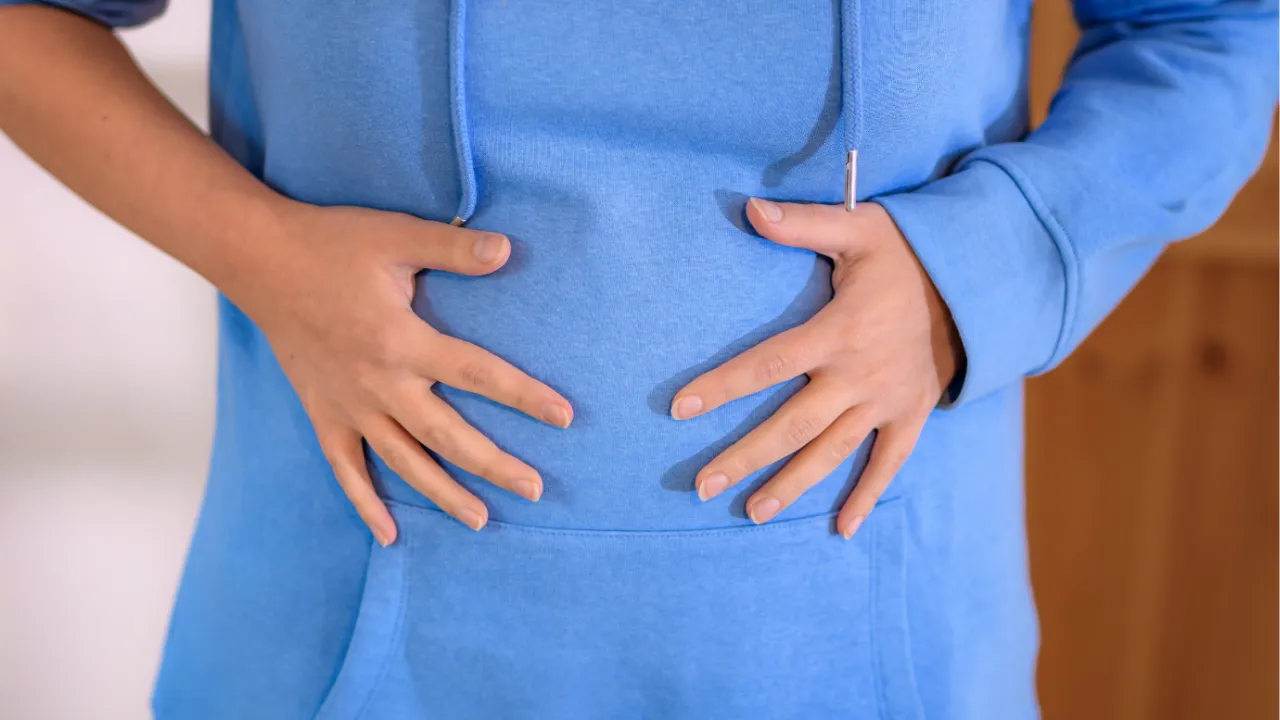
What Is Bloating? Bloating is a feeling of pressure, fullness, or swelling in the abdomen. It often makes the stomach feel tight, uncomfortable, or visibly larger. Bloating is usually caused by gas, fluid retention, slow digestion, or gut sensitivity — not fat gain. Bloating can happen occasionally or regularly, and […]
Blog
Why Does Weight Loss Slow Down After a Good Start? Weight loss often stops after the first few weeks because the body has adapted to early changes. In the beginning, much of the weight loss comes from reduced bloating and water retention. Once that initial drop stabilises, fat loss continues […]
How Do You Stay Motivated at the Start of Weight Loss? Staying motivated during the first 7 days of weight loss is less about discipline and more about reducing pressure. Motivation is highest when expectations are realistic, routines are simple, and early wins are recognised. The first week should focus […]
Is Short-Term or Long-Term Weight Loss Better? Long-term weight loss is almost always better than short-term weight loss. While short-term weight loss can provide quick motivation and visible changes, it often focuses on temporary fixes rather than lasting habits. Long-term weight loss prioritises consistency, appetite control, and routines that support […]
Can Losing Weight Too Quickly Be Harmful? Yes, rapid weight loss can be dangerous, especially when it involves extreme calorie restriction, skipping meals, or excessive exercise. Losing weight too quickly often leads to muscle loss, nutrient deficiencies, low energy, hormonal imbalances, and slowed metabolism. While short-term drops on the scale […]
How Does Weight Loss Progress Over Time? Weight loss does not happen all at once. It happens in phases, and each phase looks and feels different. In the early weeks, most changes come from reduced bloating and improved eating habits. As time goes on, fat loss becomes more noticeable, while […]
What Does Sustainable Weight Loss Mean? Sustainable weight loss means losing weight in a way you can maintain long-term without burnout, obsession, or constant restriction. It focuses on consistency, balance, and habits that fit real life. Sustainable weight loss does not rely on extreme diets, perfect discipline, or short-term motivation. […]
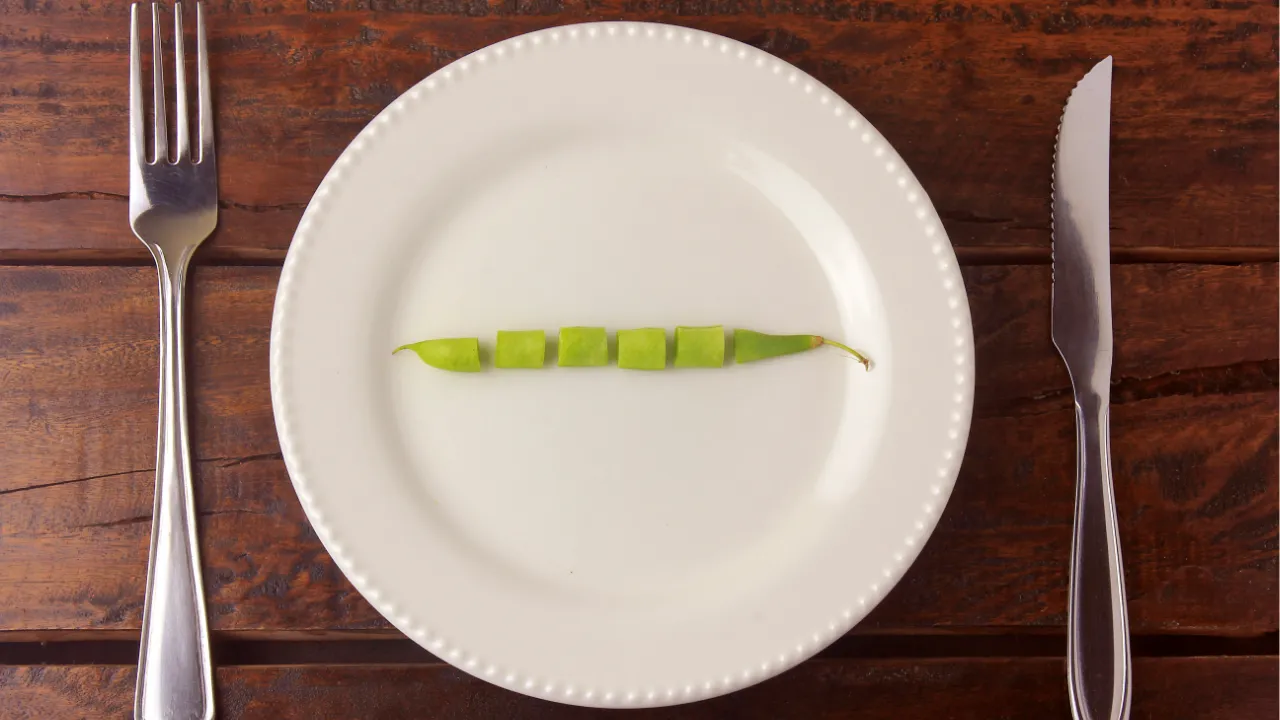
Why Don’t Restrictive Diets Work? Restrictive diets fail long-term because they fight human biology. When you cut calories too hard, remove entire food groups, or rely on rigid rules, the body responds by increasing hunger, cravings, stress, and food obsession. This makes the diet harder to maintain and often leads […]

Can You Reduce Cravings Without Eliminating Foods? Yes, cravings can be reduced without cutting out foods. In fact, strict food rules and elimination often make cravings worse. Cravings usually come from under eating, stress, poor sleep, or feeling restricted — not from a lack of willpower. When the body feels […]

Does Sleep Really Affect Weight Loss? Yes, sleep has a major impact on appetite and fat loss. Poor sleep increases hunger hormones, reduces fullness signals, raises cravings, and lowers energy. Even if food and exercise are consistent, lack of sleep can slow or stall fat loss by making appetite harder […]