

Morning appetite is influenced by what you ate the day before, how well you slept, and how balanced your first meal is. When mornings start with stable blood sugar and adequate nourishment, appetite tends to stay calmer for the rest of the day. Skipping breakfast or choosing low-protein options often […]
Fat Burn & Metabolism
Burning fat and improving metabolism are at the core of most wellness goals. In this category, you’ll find expert-backed tips, lifestyle tweaks, and product insights that help your body burn more calories efficiently. Whether you’re looking to understand thermogenesis, reset your metabolism, or choose the best time to take fat-burning supplements, this is your go-to hub for all things metabolic wellness.

Breakfast choices affect hunger all day because they influence blood sugar stability, appetite hormones, and energy levels from the very start. When breakfast lacks balance or is skipped altogether, hunger signals tend to intensify later, often showing up as cravings or overeating in the afternoon and evening. How breakfast shapes […]
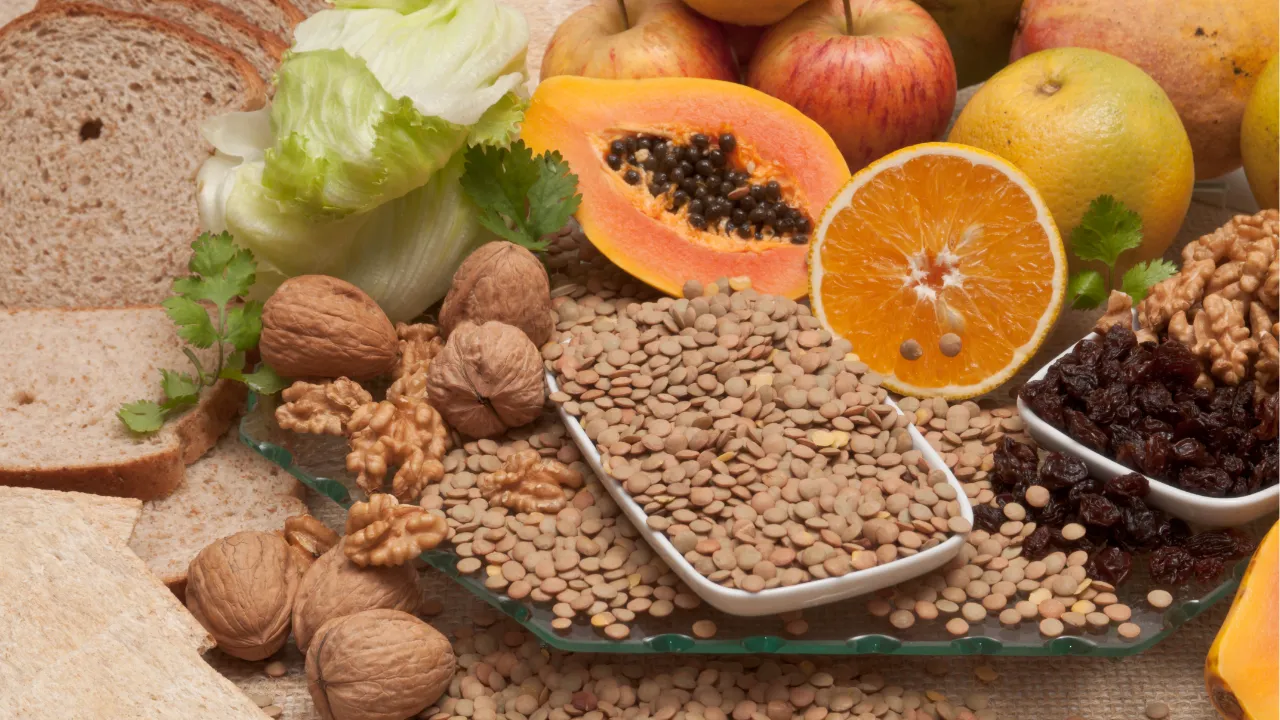
Fibre helps reduce hunger naturally by slowing digestion, stabilising blood sugar, and increasing feelings of fullness after meals. Unlike restrictive approaches, fibre works with the body by adding volume to food and extending satiety, making hunger feel calmer and more manageable throughout the day. How fibre supports appetite control 1. […]

Ultra-processed foods increase appetite because they are designed to digest quickly, spike blood sugar, and override natural fullness signals. These foods are often low in fibre and protein but high in refined carbohydrates, fats, and additives, which makes it difficult for the body to feel satisfied after eating. How ultra-processed […]

Stress increases hunger because it disrupts the hormones that regulate appetite and signals safety to the body. When stress levels remain high, cortisol rises, blood sugar becomes less stable, and the brain looks for quick energy or comfort. This makes hunger feel stronger and more urgent, even when you’ve eaten […]

Yes, hormones can significantly increase appetite by affecting how hunger and fullness signals are sent to the brain. Hormones such as ghrelin, leptin, oestrogen, progesterone, and cortisol work together to regulate appetite, and when they are out of balance, hunger can feel stronger, more frequent, or harder to satisfy even […]

Skipping meals often makes hunger worse because it disrupts blood sugar balance and increases hunger hormones. When the body goes too long without food, it responds by amplifying appetite signals to protect itself. This can lead to intense hunger later in the day, even if you eat a large meal […]

Feeling hungry again shortly after eating usually means your meal didn’t provide lasting satiety. This often happens when blood sugar rises and falls too quickly or when meals lack enough protein, fibre, or healthy fats to slow digestion. Even if portion sizes are large, hunger can return fast when meals […]

Reducing appetite naturally is about supporting blood sugar, digestion, and hunger hormones rather than relying on restriction. When meals are balanced and the body feels consistently fuelled, appetite becomes calmer and easier to manage. Starving or extreme dieting often increases hunger instead of reducing it. Why appetite feels hard to […]

Feeling hungry all the time, even after you’ve eaten, usually comes down to two main issues: unstable blood sugar or digestion and appetite hormones that aren’t sending a clear “I’m full” signal to your brain. This means you may be eating enough food, but not the right balance of nutrients, […]