

Weight loss often feels easier at the beginning because the body hasn’t yet adapted to changes in eating, movement, and energy intake. Early progress is influenced by shifts in water weight, improved blood sugar control, and higher metabolic demand. As the body adjusts, progress naturally slows — but that doesn’t […]
Appetite & Cravings
Struggling with constant hunger or emotional eating? This category is designed to help you regain control. Learn how to reduce sugar cravings, control late-night snacking, and naturally suppress appetite with food, habits, or supplements. These articles are crafted to guide you step-by-step toward building a healthier relationship with food.

Motivation often drops during weight loss because the body and mind are adapting to sustained effort. Early excitement fades, progress slows, and hunger may increase, making the process feel harder even when you’re doing everything right. This dip in motivation is normal and expected during long-term change. Why motivation naturally […]
Consistency matters more than perfection because long-term progress is built through repeatable habits, not flawless execution. Trying to be perfect often increases stress and leads to burnout, while consistent, flexible behaviours allow the body and mind to adapt sustainably over time. Why perfection backfires 1. Perfection increases pressure Trying to […]
Expectations can sabotage weight loss when they don’t align with how the body actually changes. Unrealistic timelines, scale-focused goals, and comparisons create pressure that increases stress, appetite, and frustration. When expectations are adjusted, progress becomes more sustainable and less emotionally charged. How unrealistic expectations interfere with progress 1. Expecting constant […]

Stress slows weight loss progress because it directly affects hormones, appetite, sleep, and recovery. Even when eating and movement are consistent, ongoing stress can make fat loss harder by keeping the body in a protective state rather than a fat-releasing one. How stress interferes with weight loss 1. Cortisol increases […]
Weight loss plateaus often come with increased hunger because the body adapts to changes in energy intake and weight. As weight decreases, the body becomes more efficient and protective, increasing hunger signals to maintain balance. This response is biological, not a sign that you’re doing something wrong. Why hunger increases […]
Eating less can stall weight loss because the body adapts to prolonged calorie reduction by conserving energy and increasing hunger. While reducing intake is often part of weight loss, eating too little for too long can signal the body to slow progress rather than accelerate it. How eating too little […]
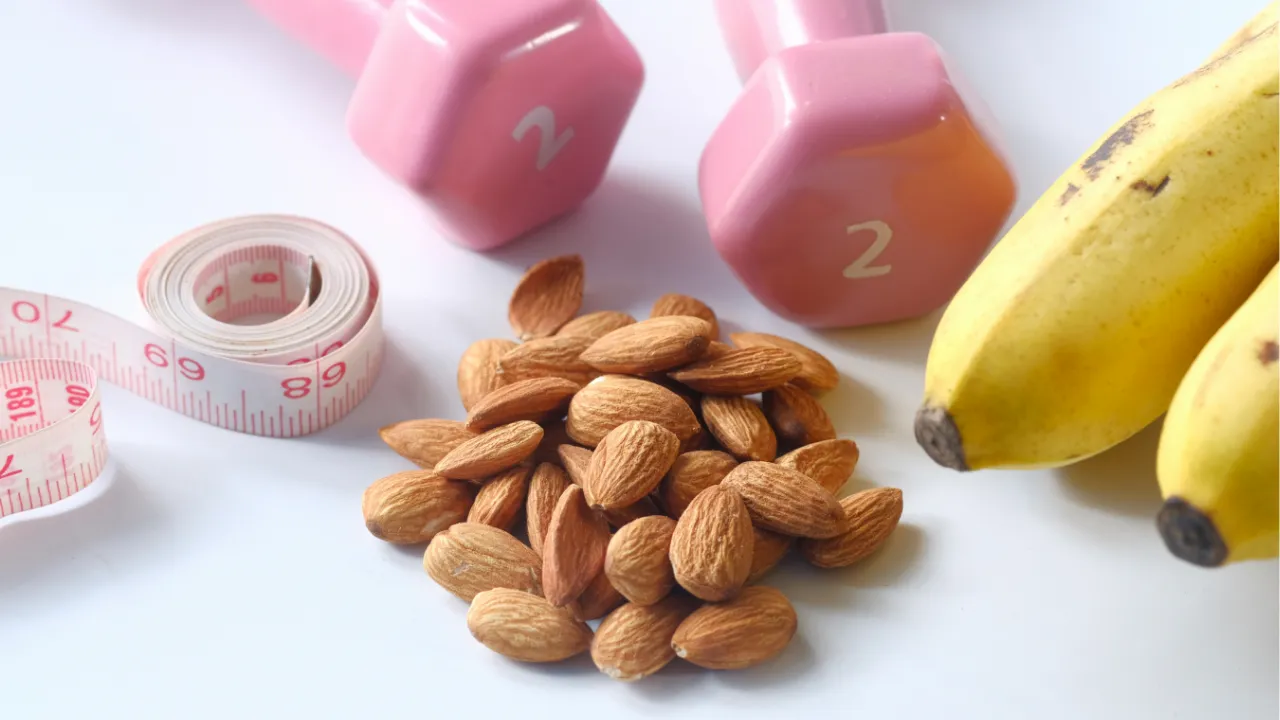
Metabolism changes during weight loss as the body adapts to a smaller size and reduced energy intake. These changes are a normal biological response designed to conserve energy and protect against further weight loss. Understanding these shifts helps explain plateaus, increased hunger, and why progress can feel harder over time. […]
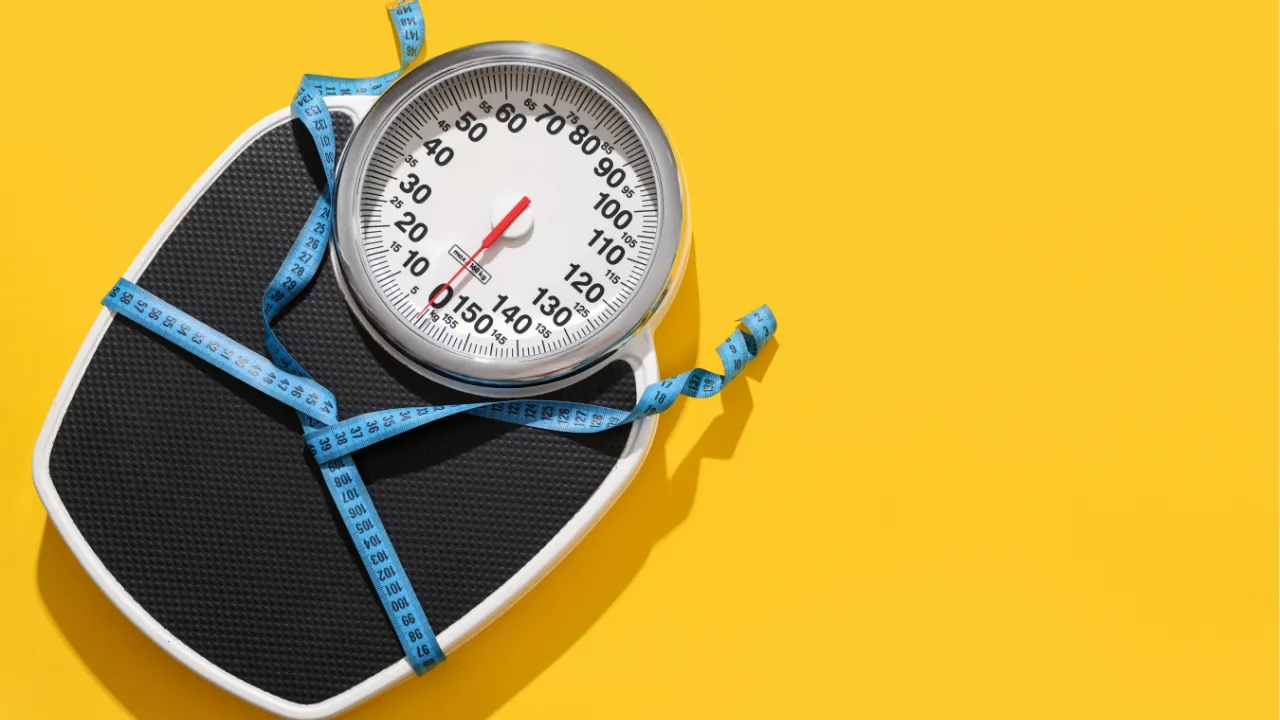
Weight loss often gets harder over time because the body adapts to changes in weight, energy intake, and routine. As progress continues, hunger increases, energy needs shift, and motivation can be challenged. This slowdown is a normal biological response, not a sign that something has gone wrong. Why progress slows […]

Cravings often get worse in the evening because energy is low, stress has accumulated, and appetite regulation is less stable. After a full day of decision-making and mental effort, the body looks for comfort and quick relief. This makes cravings feel stronger at night, even when physical hunger isn’t present. […]