

Sleep plays a critical role in hunger and appetite control.
When sleep is insufficient or inconsistent, hunger hormones become imbalanced, cravings increase, and fullness signals weaken.
Supporting sleep quality helps regulate appetite naturally and makes weight loss far easier to manage.
How poor sleep disrupts hunger signals
1. Hunger hormones increase
Lack of sleep raises ghrelin, the hormone that increases hunger, making appetite feel stronger the next day.
2. Fullness hormones decrease
Sleep deprivation lowers leptin, reducing the feeling of satisfaction after meals.
3. Cravings intensify
Poor sleep increases cravings for high-sugar and high-carb foods as the body seeks quick energy.
4. Impulse control weakens
Tired brains struggle with decision-making, making overeating more likely.
5. Stress hormones stay elevated
Sleep loss increases cortisol, which further disrupts appetite regulation.
Ways to support appetite through better sleep
1. Keep sleep times consistent
Going to bed and waking up at similar times helps regulate appetite hormones.
2. Create a calming evening routine
Reducing stimulation before bed improves sleep quality and next-day hunger control.
3. Avoid heavy meals close to bedtime
Large or sugary meals late at night can disrupt sleep and appetite signals.
4. Prioritise recovery over restriction
Adequate rest supports appetite balance better than pushing harder.
These habits support both sleep and hunger regulation.
A supportive option for evening appetite and sleep
Evening hunger and cravings often worsen when sleep is disrupted. Gentle evening support can help calm appetite and support better rest.
DailyYou Shrink PM is designed to be taken in the evening, when the body is preparing for sleep and appetite regulation is most sensitive. Many people use it to support calmer evenings and better sleep routines.
- Taken in the evening as part of a wind-down routine
- Supports calmer appetite at night
- Helpful when poor sleep increases hunger
- Easy to stay consistent before bedtime
You can check the product below.
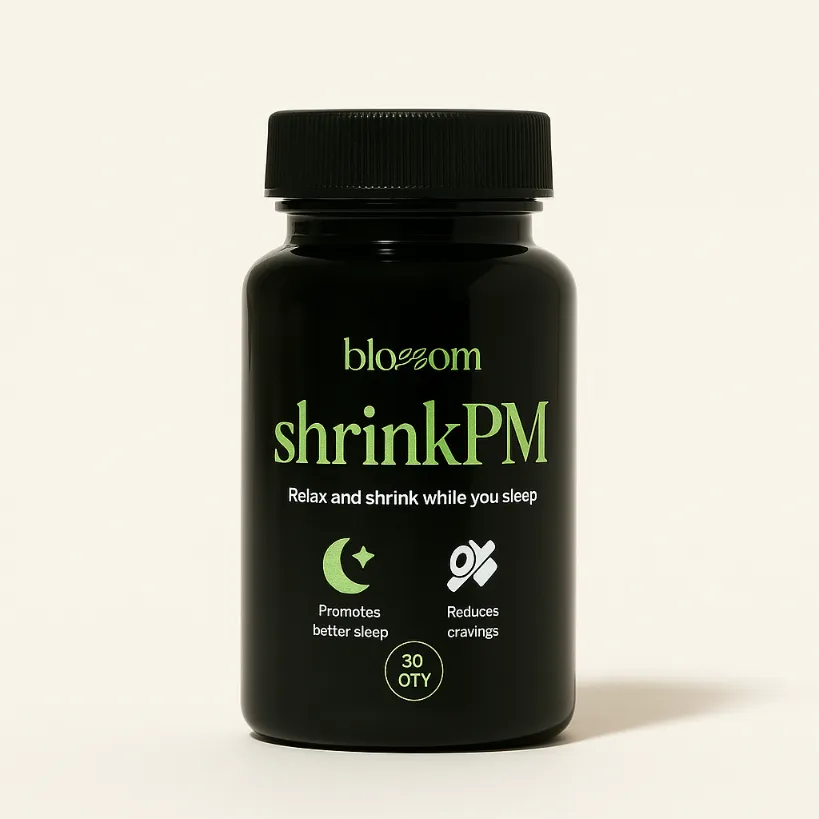
Shrink PM – Nighttime Appetite Control & Relaxation Support
Calm your cravings and unwind with Shrink PM — your gentle evening support for restful sleep and healthy weight management.
80 in stock
Frequently asked questions
1. Can one bad night of sleep increase hunger?
Yes. Even a single poor night can affect appetite hormones the next day.
2. Why do I crave sugar when I’m tired?
The body seeks quick energy when sleep-deprived.
3. Does better sleep reduce emotional eating?
Often yes. Improved sleep supports emotional regulation.
4. Should I eat less if I slept poorly?
Usually no. Balanced meals help stabilise appetite after poor sleep.
5. How quickly does sleep improvement affect hunger?
Many people notice changes within a few days.
Sleep as an appetite regulator
Sleep isn’t just for recovery — it’s a key part of appetite control. When sleep is prioritised, hunger becomes calmer, cravings reduce, and weight loss feels far more manageable over time.
Leave a Reply