
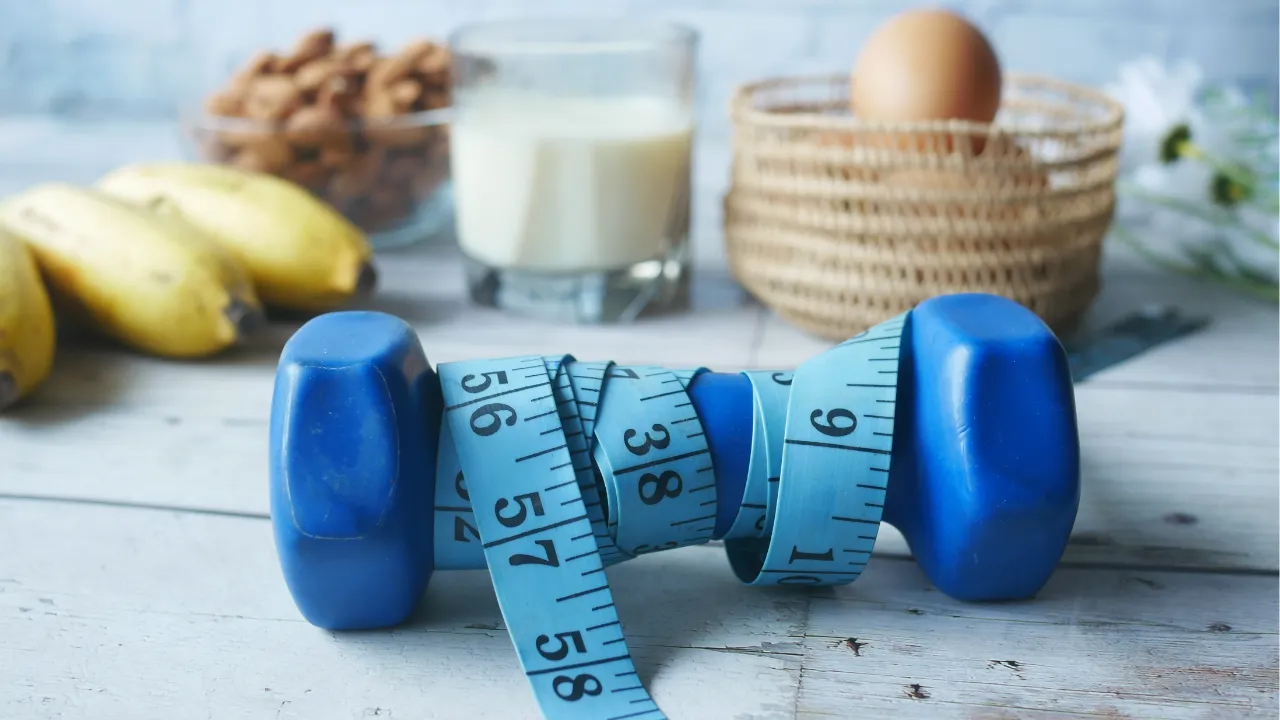
Eating less can stall weight loss because the body adapts to prolonged calorie reduction by conserving energy and increasing hunger.
While reducing intake is often part of weight loss, eating too little for too long can signal the body to slow progress rather than accelerate it.
How eating too little affects weight loss
1. The body shifts into energy conservation
When energy intake stays low, the body reduces non-essential energy use. This can slow weight loss even when consistency remains high.
2. Hunger hormones increase
Lower calorie intake raises ghrelin and reduces leptin, making hunger stronger and fullness harder to achieve.
3. Metabolic efficiency increases
The body becomes more efficient at using fewer calories, meaning less energy is burned at rest and during daily activity.
4. Fatigue reduces movement naturally
Eating too little often leads to low energy, which reduces spontaneous movement and daily calorie burn.
5. Mental strain increases food focus
Chronic restriction increases thoughts about food, making eating feel harder to manage and less sustainable.
Natural ways to support progress without eating less
1. Reassess portion adequacy
Ensure meals are still large enough to meet your body’s needs at your current weight and activity level.
2. Prioritise protein and fibre
Adequate protein and fibre help support satiety and reduce the urge to over-restrict.
3. Avoid continuous calorie cuts
Small pauses or stabilisation periods can help appetite and metabolism reset.
4. Support recovery and sleep
Better sleep and recovery improve hormonal balance and support ongoing progress.
These approaches focus on sustainability rather than forcing results.
A supportive option when progress feels stalled
When eating less no longer leads to results, appetite can feel confusing and frustrating. Gentle daily support can help stabilise hunger while routines are adjusted.
DailyYou Shrink AM is designed to be taken in the morning, when appetite patterns for the day are being set. Many people use it to support appetite control while navigating plateaus or stalled progress.
- Taken in the morning as part of a daily routine
- Supports steadier appetite during adjustments
- Helpful when restriction has increased hunger
- Easy to stay consistent alongside balanced meals
Frequently asked questions
1. Can eating more help restart weight loss?
In some cases, yes. Adequate intake can reduce stress and improve consistency.
2. How do I know if I’m eating too little?
Persistent hunger, fatigue, irritability, and stalled progress are common signs.
3. Is metabolic damage real?
The body adapts to restriction, but metabolism can recover with balanced eating and time.
4. Should I stop trying to lose weight during a stall?
Short maintenance phases can be helpful and often support long-term success.
5. How long does it take to recover from under-eating?
Many people notice appetite and energy improvements within one to two weeks.
Progress through nourishment, not force
Weight loss doesn’t stall because you’re not trying hard enough. It often stalls because the body needs reassurance and balance.
When nourishment supports the process, progress becomes steadier, more sustainable, and far less exhausting.
Leave a Reply