

Not all cravings mean the same thing. Some are driven by physical hunger, while others are triggered by emotions, stress, or fatigue.
Learning to tell the difference helps you respond in a way that actually meets your body’s needs instead of leaving you unsatisfied or frustrated.
Key differences between emotional and physical cravings
1. Physical hunger builds gradually
Physical hunger develops slowly and can be felt in the body. It’s usually accompanied by stomach sensations, low energy, or difficulty concentrating.
2. Emotional cravings feel sudden and specific
Emotional cravings often come on quickly and are usually for a specific food, such as something sweet or comforting.
3. Physical hunger is flexible
When hunger is physical, many foods sound appealing. The body is looking for fuel, not a particular taste.
4. Emotional cravings are tied to feelings
Stress, boredom, sadness, or anxiety often trigger emotional cravings, especially during quiet or overwhelming moments.
5. Eating response feels different afterward
Eating for physical hunger usually leads to satisfaction. Emotional eating may bring temporary relief but is often followed by guilt or continued desire to eat.
How to respond to each type of craving
1. Check in with your body
Pause and notice physical cues like stomach sensations, energy levels, or irritability before eating.
2. Ask what you need most
If hunger is physical, food is appropriate. If it’s emotional, you may need rest, comfort, or stress relief.
3. Eat without judgment
Whether hunger is physical or emotional, removing guilt helps reduce overeating and improves awareness over time.
4. Build regular eating routines
Consistent meals reduce the likelihood of emotional cravings being mistaken for hunger.
These steps help you respond instead of react.
A supportive option for managing evening cravings
Cravings often become harder to interpret at night, when fatigue and emotions are stronger. Gentle evening support can help calm appetite and reduce emotionally driven eating.
DailyYou Shrink PM is designed to be taken in the evening, when cravings and emotional eating urges often appear. Many people use it to support appetite balance and clearer hunger signals.
- Taken in the evening as part of a wind-down routine
- Supports clearer appetite awareness
- Helpful for emotional or stress-driven cravings
- Easy to stay consistent with before bedtime
You can check the product below.
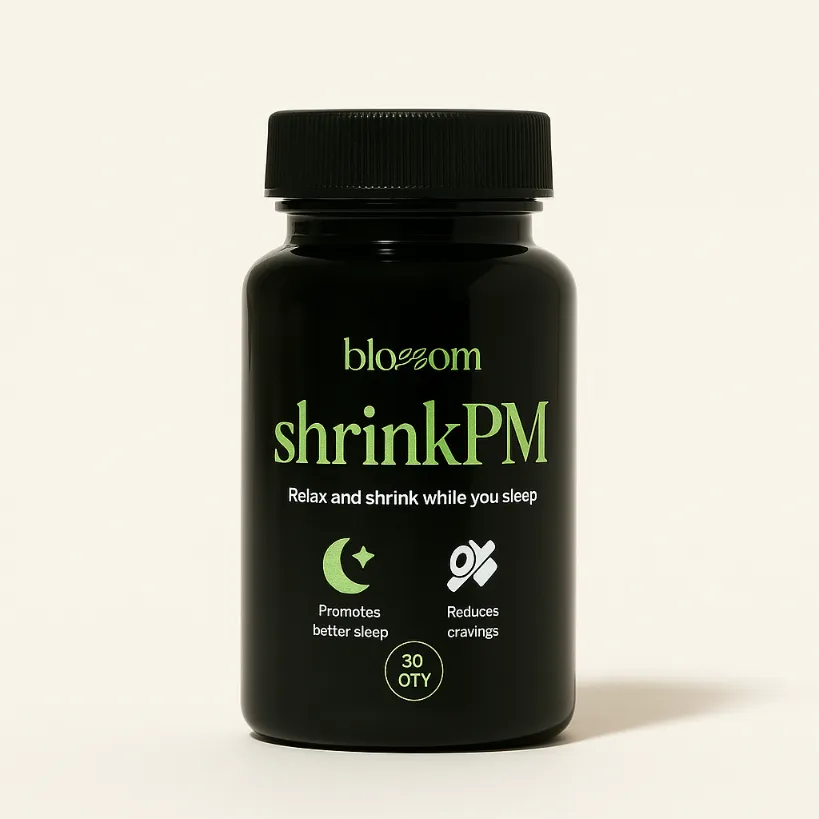
Shrink PM – Nighttime Appetite Control & Relaxation Support
Calm your cravings and unwind with Shrink PM — your gentle evening support for restful sleep and healthy weight management.
80 in stock
Frequently asked questions
1. Can emotional cravings feel like real hunger?
Yes. Emotional cravings can feel very convincing, especially during stress or fatigue.
2. Is it okay to eat for emotional reasons sometimes?
Yes. Occasional emotional eating is normal and doesn’t need to be eliminated.
3. Why do emotional cravings feel urgent?
They’re often driven by stress hormones and the brain’s desire for relief.
4. Can routine eating reduce emotional cravings?
Yes. Regular meals reduce hunger-related vulnerability to emotional eating.
5. How long does it take to improve hunger awareness?
Many people notice improvement within one to two weeks of consistent practice.
Learning to listen to your body
Understanding the difference between emotional and physical cravings isn’t about strict control.
It’s about awareness and compassion. When you respond to what your body actually needs, eating becomes more satisfying and far less confusing over time.
Leave a Reply