
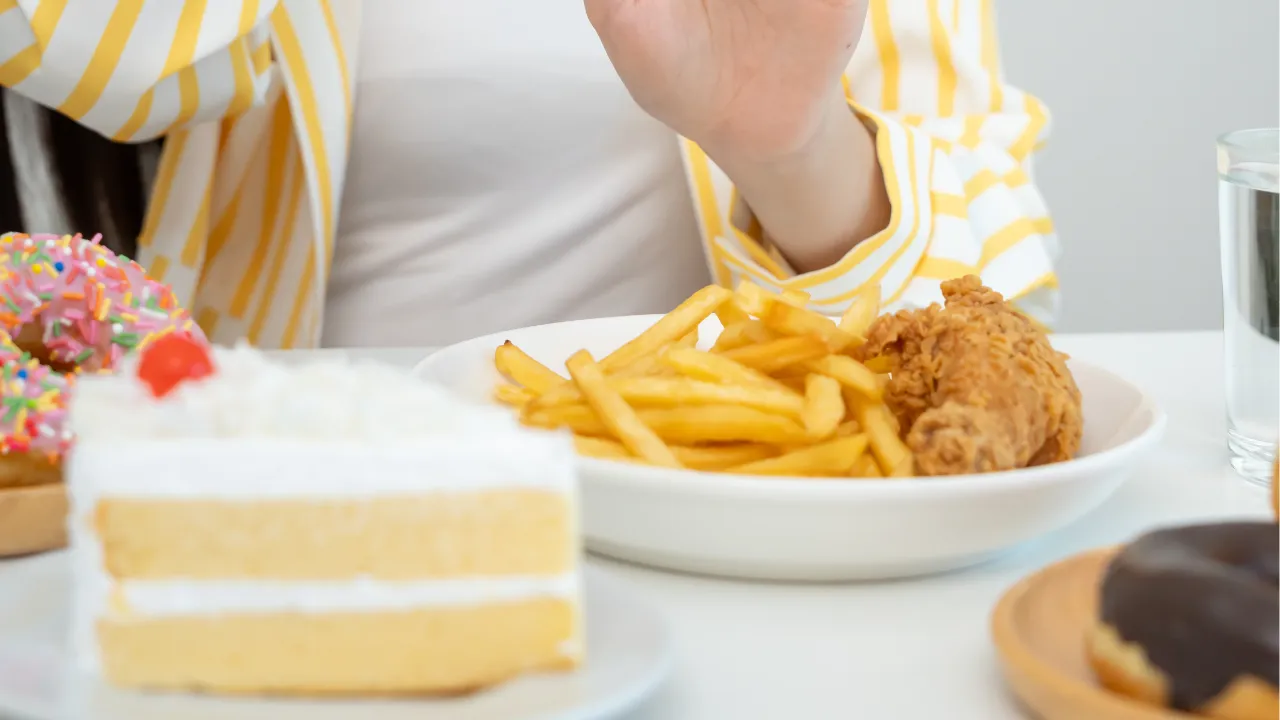
Stress makes you crave comfort foods because it activates the body’s stress response and increases the need for quick relief and energy.
When stress hormones remain elevated, the brain looks for foods that provide fast comfort, familiarity, and temporary calm—often foods high in sugar, fat, or refined carbohydrates.
How stress triggers comfort food cravings
1. Cortisol increases appetite
Stress raises cortisol levels, which can increase hunger and make cravings feel more intense, especially for high-energy foods.
2. Comfort foods calm the nervous system
Certain foods trigger the release of feel-good brain chemicals that temporarily reduce stress and emotional discomfort.
3. Blood sugar becomes unstable
Stress interferes with blood sugar regulation. Fluctuations can trigger cravings for foods that provide rapid energy.
4. Mental fatigue lowers food control
Stress drains mental resources. When decision-making is tired, familiar comfort foods feel easier to reach for.
5. Learned associations reinforce cravings
Over time, the brain links stress with specific foods. These associations make cravings feel automatic during stressful moments.
Natural ways to reduce stress-driven comfort eating
1. Eat regularly to support blood sugar
Consistent meals help prevent stress-related blood sugar dips that increase cravings.
2. Build balanced meals
Including protein, fibre, and healthy fats makes meals more satisfying and reduces the urge to seek comfort foods later.
3. Use non-food stress relief
Short walks, deep breathing, stretching, or journaling can help reduce stress without relying on food.
4. Improve sleep and recovery
Better sleep increases emotional resilience and reduces stress-related cravings.
These strategies address the root cause rather than suppressing cravings.
A supportive option for managing stress-related cravings
Stress-driven cravings often peak in the evening, when energy is low and emotions catch up. Gentle evening support can help calm appetite and reduce comfort eating.
DailyYou Shrink PM is designed to be taken in the evening, when stress-related cravings often appear and the body is winding down. Many people use it to support appetite balance and calmer nights.
- Taken in the evening as part of a wind-down routine
- Supports calmer appetite during stress
- Helpful for comfort food cravings
- Easy to stay consistent with before bedtime
Frequently asked questions
1. Why do I crave specific foods when stressed?
Stress strengthens cravings for familiar foods that have previously provided comfort or relief.
2. Are comfort foods bad for me?
Not inherently. The concern is relying on them as the only coping tool during stress.
3. Can stress cravings happen even if I ate enough?
Yes. Stress-driven cravings are often emotional rather than physical.
4. Does chronic stress affect weight?
Ongoing stress can influence appetite patterns and eating behaviour over time.
5. How long does it take to reduce stress-related cravings?
Many people notice improvement within one to two weeks of consistent stress support and routines.
Responding to stress with support
Craving comfort foods under stress isn’t a weakness—it’s a biological response.
When stress is addressed with nourishment, rest, and non-food coping tools, cravings become quieter and far easier to manage over time.
Leave a Reply