
Yes, anxiety can increase appetite by activating stress hormones and disrupting the body’s natural hunger and fullness signals.
When anxiety is present, the nervous system stays in a heightened state, which can trigger hunger, cravings, or constant urges to eat—even when the body doesn’t physically need food.
How anxiety affects appetite
1. Stress hormones stimulate hunger
Anxiety raises cortisol levels, which can increase appetite and push the body to seek quick energy or comfort through food.
2. Blood sugar becomes less stable
Anxiety can interfere with how the body manages blood sugar. Fluctuations in blood sugar often trigger hunger shortly after eating.
3. Emotional discomfort drives eating
Food can temporarily soothe anxious feelings by activating calming brain chemicals. This makes eating feel relieving, even if hunger isn’t physical.
4. Digestion slows under stress
When anxiety is high, digestion becomes less efficient. Poor digestion can delay fullness signals, making hunger feel persistent.
5. Anxiety increases mental fatigue
Mental exhaustion from anxiety can feel like hunger. The brain may signal food as a way to restore energy and focus.
Natural ways to manage anxiety-related hunger
1. Eat regular, balanced meals
Consistent meals help stabilise blood sugar and reduce anxiety-driven hunger spikes throughout the day.
2. Include calming foods and habits
Warm meals, herbal teas, and slower eating can support the nervous system and reduce stress-related appetite signals.
3. Practice short grounding techniques
Deep breathing, stretching, or brief mindfulness breaks can calm the nervous system and reduce urges to eat driven by anxiety.
4. Support sleep and rest
Poor sleep worsens anxiety and appetite regulation. Improving rest can noticeably reduce anxiety-related hunger.
These approaches help address the cause of hunger rather than fighting it.
A supportive option for daytime appetite during anxious periods
Anxiety can make appetite feel unpredictable, especially during busy or emotionally demanding days. Consistent daytime support can help stabilise hunger patterns.
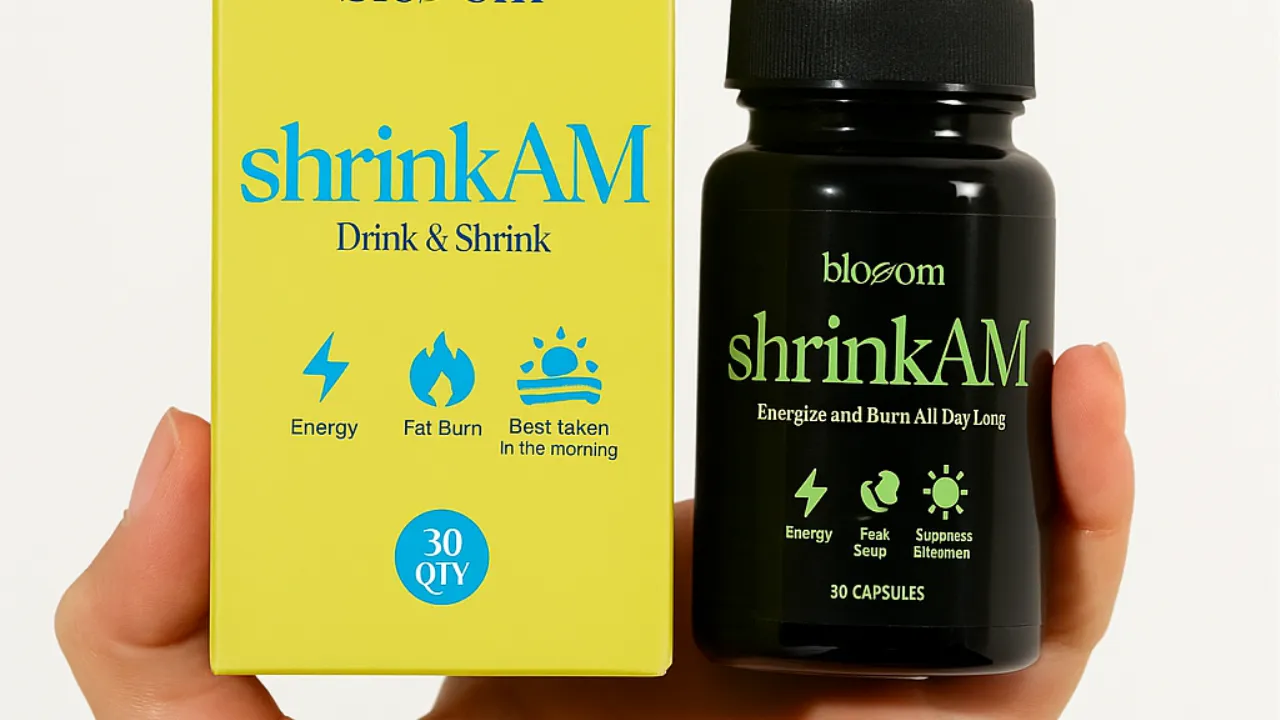
DailyYou Shrink AM is designed to be taken in the morning, when appetite patterns for the day are being set. Many people use it to support appetite control during periods of heightened stress or anxiety.
- Taken in the morning as part of a daily routine
- Supports steadier appetite during anxious days
- Helpful when anxiety increases hunger or snacking
- Easy to stay consistent with alongside daily routines
You can check the product below.
Frequently asked questions
1. Why does anxiety make me feel hungry even after eating?
Anxiety can delay fullness signals and increase cortisol, making hunger feel persistent even after meals.
2. Can anxiety cause weight changes?
Yes. Anxiety can affect appetite, eating patterns, and metabolism, which may influence weight over time.
3. Is anxiety-related hunger emotional eating?
It can be, but not always. Anxiety affects hormones and blood sugar as well as emotions.
4. Can reducing anxiety improve appetite control?
Yes. When anxiety is managed, appetite signals often become calmer and more predictable.
5. When should anxiety-related appetite changes be addressed professionally?
If anxiety or appetite changes are severe or persistent, consulting a healthcare professional may be helpful.
A calmer way to respond to hunger
Anxiety-related hunger isn’t a personal failure or lack of control. It’s the body responding to stress and seeking relief.
When anxiety is supported with consistent routines and nourishment, appetite becomes easier to manage and far less overwhelming over time.
Leave a Reply