

Ultra-processed foods increase appetite because they are designed to digest quickly, spike blood sugar, and override natural fullness signals.
These foods are often low in fibre and protein but high in refined carbohydrates, fats, and additives, which makes it difficult for the body to feel satisfied after eating.
How ultra-processed foods affect hunger
1. Digestion happens too quickly
Ultra-processed foods break down rapidly in the digestive system. When food leaves the stomach quickly, fullness fades and hunger returns sooner.
2. Blood sugar spikes and crashes
Refined ingredients cause sharp rises in blood sugar followed by rapid drops. These crashes trigger strong hunger signals shortly after eating.
3. Fibre and protein are often lacking
Many ultra-processed foods contain very little fibre or protein. Without these nutrients, meals don’t provide lasting satiety.
4. Palatability overrides fullness cues
Ultra-processed foods are engineered to be highly appealing. This can override natural stop signals, leading to eating beyond physical hunger.
5. Appetite regulation becomes disrupted
Regular consumption of ultra-processed foods can interfere with hunger hormones, making appetite feel harder to control over time.
Natural ways to reduce appetite disruption
1. Focus on whole or minimally processed foods
Foods closer to their natural form digest more slowly and support steadier appetite signals.
2. Combine processed foods with protein and fibre
When processed foods are included, pairing them with protein or vegetables can help reduce rapid hunger return.
3. Read ingredient lists
Shorter ingredient lists often indicate less processing. Choosing simpler options supports appetite control.
4. Eat regular, balanced meals
Consistent meals reduce reliance on quick, processed options and help stabilise hunger throughout the day.
These steps don’t require perfection, just awareness and balance.
A supportive option for managing appetite in modern diets
Ultra-processed foods are difficult to avoid completely. Extra daytime support can help manage appetite when exposure is unavoidable.
DailyYou Shrink AM is designed to be taken in the morning, when appetite patterns for the day are being set. Many people use it to support appetite control alongside more balanced food choices.
- Taken in the morning as part of a daily routine
- Supports steadier appetite throughout the day
- Helpful when processed foods increase hunger
- Easy to stay consistent in everyday eating environments
You can check the product below.
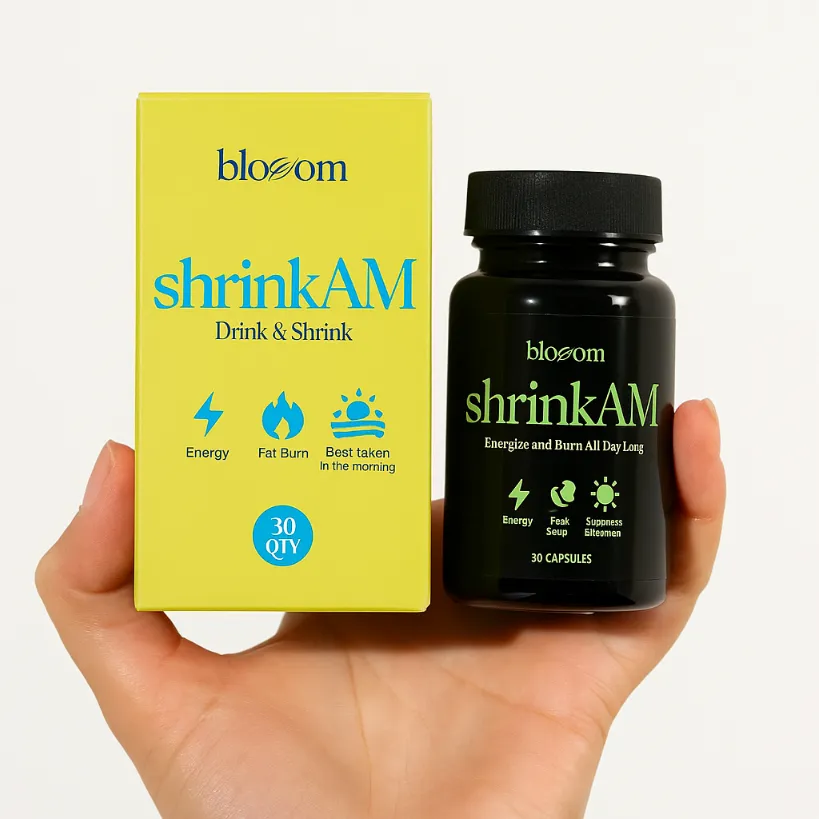
Shrink AM – Morning Appetite Control & Fat Burner
Start your day strong with Shrink AM — a natural morning supplement that curbs cravings, boosts energy, and helps burn fat.
Frequently asked questions
1. Are all processed foods bad for appetite?
No. Minimally processed foods like yoghurt or frozen vegetables can still support fullness. Ultra-processed foods are the main concern.
2. Can eating ultra-processed foods occasionally affect hunger?
Occasional intake is fine, but frequent consumption can increase appetite and cravings.
3. Why do I feel hungry after eating fast food?
Fast food is often low in fibre and protein and high in refined ingredients, leading to rapid digestion and hunger return.
4. Can switching to whole foods reduce appetite?
Yes. Many people notice steadier hunger within days of increasing whole-food intake.
5. How long does it take to reset appetite signals?
Appetite often improves within one to two weeks of consistently reducing ultra-processed foods.
Creating a calmer appetite environment
Ultra-processed foods don’t increase appetite because of a lack of discipline, but because of how they interact with the body.
When meals are built around nourishing, slower-digesting foods, appetite regulation becomes more natural and far easier to manage.
Leave a Reply