
Yes, hormones can significantly increase appetite by affecting how hunger and fullness signals are sent to the brain.
Hormones such as ghrelin, leptin, oestrogen, progesterone, and cortisol work together to regulate appetite, and when they are out of balance, hunger can feel stronger, more frequent, or harder to satisfy even when food intake hasn’t changed.
How hormones influence appetite
1. Ghrelin increases hunger
Ghrelin is often called the “hunger hormone.” It rises before meals and signals the brain that it’s time to eat. When ghrelin levels are elevated for long periods, appetite can feel constant.
2. Leptin affects fullness signals
Leptin helps signal when you’ve had enough to eat. Hormonal imbalance or resistance to leptin can delay fullness cues, leading to overeating or persistent hunger.
3. Oestrogen and progesterone shift appetite
Fluctuations in female hormones influence hunger and cravings throughout the menstrual cycle. Appetite often increases when progesterone rises and oestrogen drops.
4. Cortisol increases appetite under stress
Chronic stress raises cortisol levels, which can increase hunger and cravings, particularly for quick-energy foods.
5. Sleep hormones affect hunger regulation
Poor sleep disrupts hormones that control appetite, increasing hunger the following day and reducing feelings of fullness after meals.
Natural ways to support hormonal appetite balance
1. Eat consistently throughout the day
Regular meals help regulate ghrelin and stabilise blood sugar. Skipping meals can amplify hormonal hunger signals.
2. Prioritise protein and fibre
Protein and fibre slow digestion and support fullness hormones. Including both at meals can help reduce hormone-driven appetite spikes.
3. Support sleep quality
Consistent sleep schedules help regulate appetite hormones. Even small improvements in sleep can make hunger easier to manage.
4. Manage daily stress
Reducing stress helps lower cortisol levels. Short stress-reducing practices during the day can support hormonal balance.
These habits help hormones work with your body rather than against it.
A supportive option for hormone-related appetite changes
Hormonal appetite shifts can be unpredictable, especially during busy or demanding periods. Consistent daytime support can help smooth out these fluctuations.
DailyYou Shrink AM is designed to be taken in the morning, when appetite patterns for the day are being set. Many people use it to support appetite balance during hormonally challenging phases.
- Taken in the morning as part of a daily routine
- Supports steadier appetite signals
- Helpful during hormonal fluctuations
- Easy to stay consistent with alongside meals
You can check the product below.
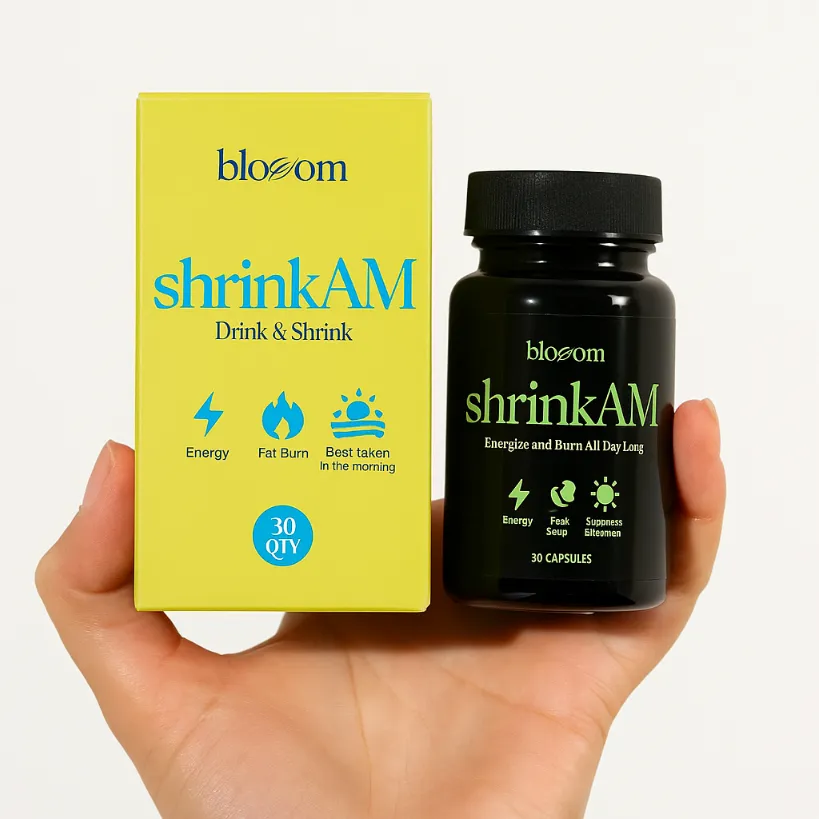
Shrink AM – Morning Appetite Control & Fat Burner
Start your day strong with Shrink AM — a natural morning supplement that curbs cravings, boosts energy, and helps burn fat.
Frequently asked questions
1. Can hormonal changes cause sudden increases in hunger?
Yes. Hormonal shifts can cause appetite to increase quickly, even if eating habits haven’t changed.
2. Do hormones affect cravings as well as hunger?
Yes. Hormones influence both hunger and cravings, particularly during stress, poor sleep, or menstrual cycle changes.
3. Can diet help balance hormones naturally?
Balanced meals, regular eating, and adequate protein and fibre can support healthier hormonal appetite regulation.
4. Is hormone-related hunger permanent?
No. Hormonal appetite changes often fluctuate and can improve with consistent routines and lifestyle support.
5. When should hormonal hunger be investigated further?
If appetite changes are extreme or persistent, it may be helpful to consult a healthcare professional to rule out underlying conditions.
Understanding your body’s signals
Hormone-driven hunger is your body communicating a need for balance, not a lack of discipline.
When routines support hormonal health, appetite becomes steadier and easier to respond to over time.
Leave a Reply