

Constant hunger in women is most often caused by hormonal fluctuations combined with blood sugar instability and increased stress demands on the body.
Changes in hormones such as oestrogen, progesterone, and cortisol affect how hunger and fullness signals are sent to the brain, while busy lifestyles, irregular meals, and poor sleep can make appetite feel stronger and harder to control.
Even when food intake seems adequate, these factors can cause hunger to return quickly and persist throughout the day.
Common reasons women experience constant hunger
1. Hormonal fluctuations throughout the month
Hormones naturally rise and fall during the menstrual cycle. In the second half of the cycle, progesterone increases, which can raise appetite and energy needs.
This often leads to stronger hunger signals, even when eating normally.
2. Blood sugar instability
Skipping meals, eating refined carbohydrates, or going too long without food can cause blood sugar to spike and crash.
These crashes trigger hunger quickly and can feel more intense in women who are already sensitive to hormonal changes.
3. High stress and mental load
Women often carry a high mental and emotional load, which increases cortisol levels. Elevated cortisol can increase appetite and cravings, especially for quick energy foods, making hunger feel constant.
4. Poor sleep quality
Sleep plays a major role in appetite regulation. When sleep is insufficient or inconsistent, hormones that control hunger and fullness become imbalanced, leading to increased appetite the following day.
5. Under-eating earlier in the day
Many women eat lightly in the morning or delay meals due to busy schedules. This can backfire by increasing hunger later in the day, making appetite feel unmanageable by afternoon or evening.
Natural ways to support appetite balance
1. Eat consistently throughout the day
Aim to eat every 3 to 4 hours, even if meals are small. Regular eating helps stabilise blood sugar and prevents intense hunger from building up later.
2. Balance meals with protein and fibre
Including protein and fibre at each meal helps slow digestion and supports steadier appetite signals. Simple combinations like eggs with vegetables, yoghurt with seeds, or chicken with whole grains can make a noticeable difference.
3. Support stress levels daily
Stress management is essential for appetite regulation. Short walks, deep breathing for a few minutes, or gentle stretching once or twice a day can help reduce cortisol-driven hunger.
4. Prioritise sleep routines
Going to bed and waking up at similar times each day helps regulate appetite hormones. Even small improvements in sleep consistency can reduce excessive hunger.
All of these strategies are realistic and accessible for women managing work, family, and daily responsibilities.
A convenient option for daytime appetite support
Lifestyle changes are powerful, but consistency can be challenging during busy days. When constant hunger interferes with focus or leads to frequent snacking, additional support can help.
DailyYou Shrink AM is designed to be taken in the morning, when appetite patterns for the day begin to form.
Many women use it to support appetite control during demanding workdays and mentally busy schedules.
- Taken in the morning as part of a daily routine
- Supports steadier appetite during the day
- Helpful for women experiencing frequent daytime hunger
- Easy to stay consistent with alongside meals
You can check the product below.
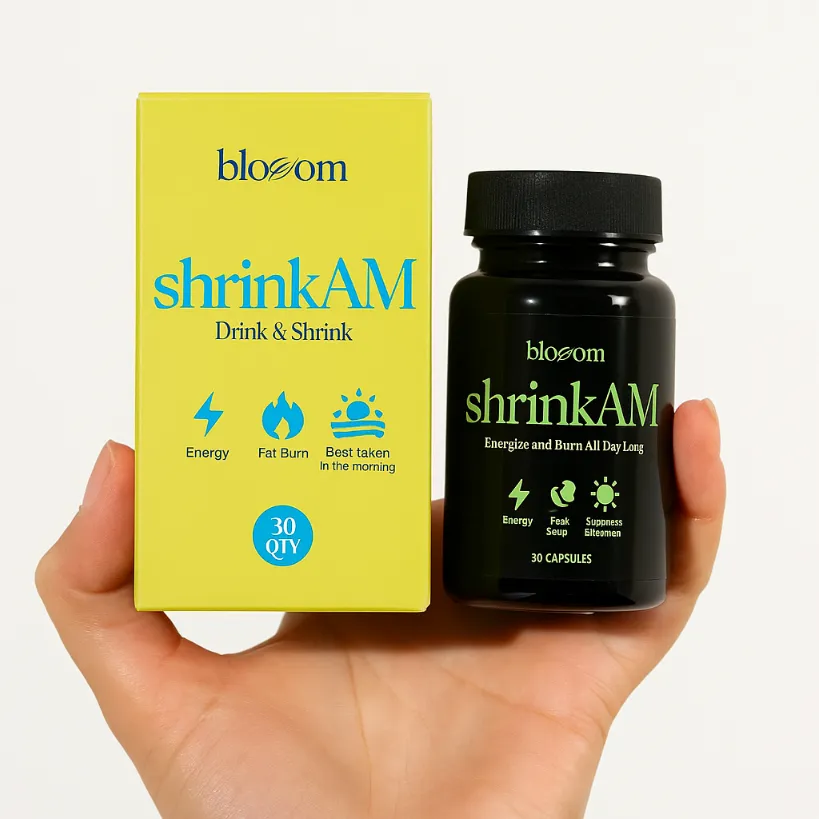
Shrink AM – Morning Appetite Control & Fat Burner
Start your day strong with Shrink AM — a natural morning supplement that curbs cravings, boosts energy, and helps burn fat.
Frequently asked questions
1. Is constant hunger normal during certain phases of the menstrual cycle?
Yes. Appetite often increases during the luteal phase due to hormonal changes. This is a normal response and doesn’t mean you’re doing anything wrong.
2. Can stress alone cause increased hunger?
Yes. Elevated stress hormones can increase appetite even if food intake hasn’t changed. Managing stress can significantly improve hunger control.
3. Why does hunger feel worse in the afternoon?
Hunger often builds when meals earlier in the day are too small or skipped. Blood sugar dips and mental fatigue can make appetite feel stronger later on.
4. Does age affect hunger levels in women?
Yes. Hormonal shifts during perimenopause and menopause can influence appetite, metabolism, and hunger cues.
5. How long does it take to feel more balanced?
Many women notice improvement within one to two weeks of eating regularly, improving sleep, and managing stress consistently.
What this means for you
Constant hunger in women is rarely about lack of willpower. It’s usually a sign that the body needs steadier fuel, better stress support, and balanced routines.
When those needs are met consistently, appetite becomes calmer and easier to manage over time.
Leave a Reply