Why Do I Feel Bloated When I Eat Healthy?
Healthy eating can cause bloating because many nutritious foods are high in fibre, volume, or fermentable carbohydrates.
When digestion is sensitive, stressed, or adjusting to new habits, these foods can produce more gas or slow digestion — leading to bloating.
This does not mean healthy food is harming you. It usually means your digestive system needs time, balance, or support.
At a Glance: Why Healthy Foods Can Cause Bloating
Healthy foods may cause bloating because they:
- Are high in fibre
- Increase fermentation in the gut
- Take longer to digest
- Increase food volume
- Are introduced too quickly
- Are eaten during stress
Bloating is often a transition issue, not a permanent problem.
Common “Healthy” Foods That Trigger Bloating
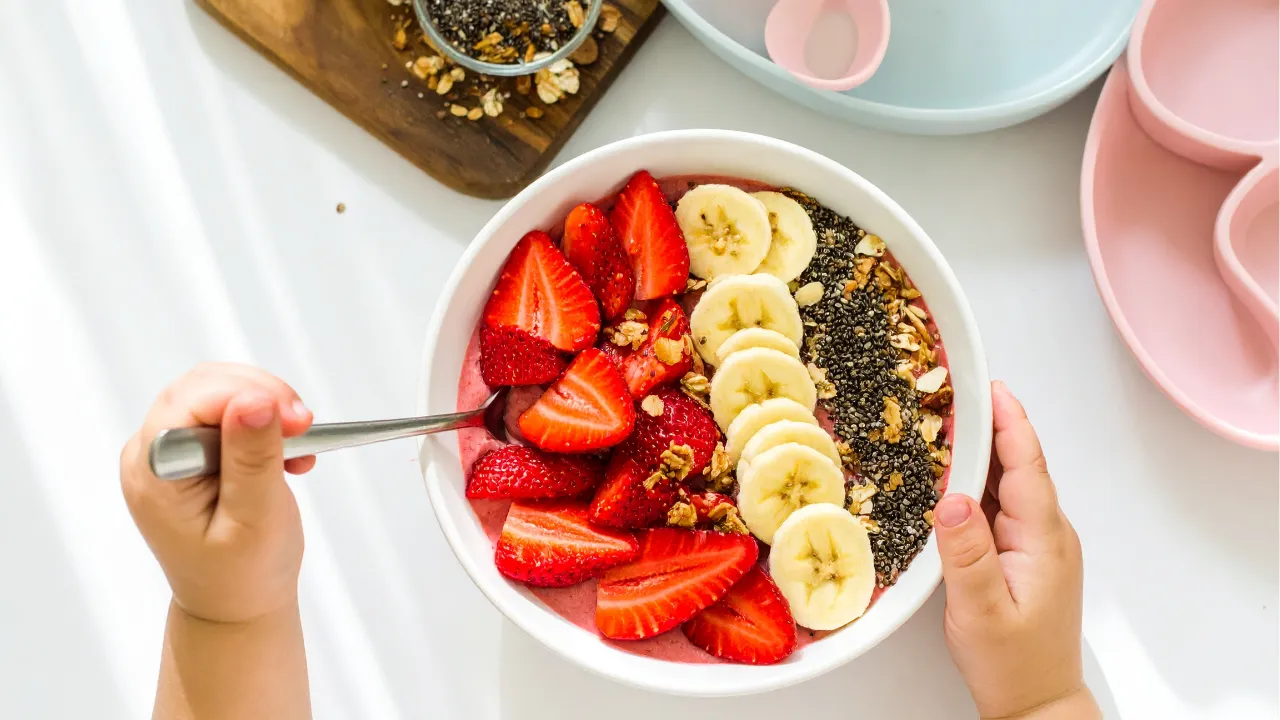
Bloating often increases with foods like:
- Vegetables (especially cruciferous ones)
- Beans and lentils
- Whole grains
- Fruits high in fibre
- Nuts and seeds
- Protein bars and powders
These foods are nutritious — they’re just harder to digest for some people.
8 Reasons Healthy Eating Can Increase Bloating
1. Sudden Increase in Fibre
The gut needs time to adapt to higher fibre intake.
2. Larger Food Volume
Healthy meals are often bulkier, stretching the stomach.
3. Slower Digestion
Fibre and fat slow digestion, increasing fullness.
4. Increased Fermentation
Gut bacteria produce gas when breaking down fibre.
5. Eating Too Fast
Healthy food eaten quickly still causes bloating.
6. Stress While Eating
Stress reduces digestive efficiency.
7. Skipping Meals Earlier
Irregular eating worsens digestion later.
8. Poor Hydration
Fibre without enough water increases bloating.
Why Bloating Often Happens During Diet Changes
Bloating is common when:
- Switching from low‑fibre to high‑fibre diets
- Eating more vegetables than before
- Reducing processed foods
- Changing meal timing
The digestive system often needs a few weeks to adjust.
Signs Your Body Is Still Adapting
Adaptation bloating often looks like:
- Bloating that improves over time
- No severe pain
- Normal bowel movements
- Bloating linked to specific meals
- Less bloating when eating calmly
These signs suggest adjustment, not intolerance.
What Not to Do When Healthy Eating Causes Bloating
Avoid these common reactions:
- Cutting out all healthy foods
- Reducing food intake drastically
- Labeling digestion as “broken”
- Jumping between diets
- Overusing supplements
Over‑reacting often prolongs bloating.
How to Reduce Bloating While Eating Healthy
To support digestion:
- Increase fibre gradually
- Eat slowly and mindfully
- Stay well hydrated
- Eat regular meals
- Combine fibre with protein
- Reduce stress while eating
Small adjustments make a big difference.
Support That Can Help During the Adjustment Phase
Some people benefit from digestive support while adapting.
Helpful support may include:
- Digestive enzymes to aid breakdown
- Gut support to reduce gas
- Evening support to calm stress‑related bloating
Support works best alongside consistent habits.
Common Questions About Healthy Eating and Bloating
Should I stop eating healthy foods if I bloat?
No. Adjust portions and habits first.
How long does adaptation bloating last?
Often a few days to a few weeks.
Is bloating a sign my gut is unhealthy?
Not necessarily — it may just be adjusting.
Final Thoughts
Healthy eating can temporarily increase bloating, especially during change.
This doesn’t mean you’re doing something wrong. It usually means your body is adapting. With patience, hydration, and consistency, digestion often improves and bloating decreases.
Support the transition — don’t abandon it.
Leave a Reply